

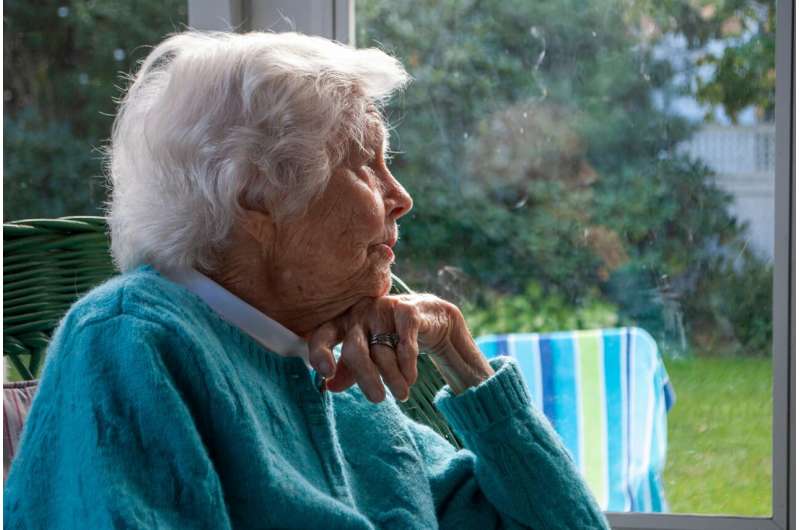
In a groundbreaking analysis published in Aging & Mental Health, researchers have unveiled findings that suggest widowhood does not ameliorate feelings of loneliness for bereaved parents, even those who maintain close relationships with their adult children. This study, which spans over 25 years and includes interviews with more than 5,500 participants, marks the first extensive investigation into this subject.
Key Findings and Implications
The research, led by Maximilian Tolkamp from the University of Siegen, reveals some startling truths about the intersections of widowhood and emotional wellbeing. Despite commonly held beliefs that being a parent may lessen the loneliness experienced post-bereavement, the findings squarely contradict this notion. According to the study:
- Close bonds between widowed parents and their adult children do not significantly alleviate feelings of emotional loneliness.
- While parent-child relationships may deepen, they do not fill the void left by the death of a spouse.
- Emotional loneliness significantly exacerbates within the first three years following a spouse's death and tends to persist for an extended period.
“Our study makes an important contribution to the literature on loneliness and intergenerational relationships in the context of widowhood,” Tolkamp states. “While widowed parents may develop stronger ties with their children, the loneliness stemming from the loss of an intimate partner remains deeply rooted.”
Methodology
The researchers analyzed data drawn from the German Aging Survey (DEAS), a comprehensive longitudinal study assessing the lives of individuals aged 40 and above. From a sample of 5,610 married individuals, 475 participants became widowed during the study period (1996-2021), with men and women represented in the ratio of 176 to 299. The mean age at which individuals experienced widowhood was approximately 72.56 years.
To assess levels of loneliness, participants provided feedback on several statements concerning their emotional security and social support. The data collected included:
| Parameter | Measurement Tool | Sample Response Insights |
|---|---|---|
| Emotional Security | Self-rated emotional warmth | Higher loneliness post-bereavement. |
| Frequency of Contact | Interaction logs with adult children | Mothers had heightened emotional closeness post-loss. |
| Social Engagement | Network interaction scales | Decline in social engagement noted over time. |
Different Types of Loneliness
The study distinguished between two types of loneliness:
- Emotional Loneliness: Characterized by feelings of missing an intimate attachment, this type saw significant increases immediately following the death of a spouse.
- Social Loneliness: This feeling, attributed to a declining social network, tends to increase more gradually.
Increases in emotional loneliness were most pronounced during the first three years after spousal loss, while a rise in social loneliness was more evident from four to seven years post-bereavement.
Insights from the Data
Mother figures reported greater emotional closeness and frequent contact with their children following the death of a spouse, improving parent-child dynamics. In contrast, men did not report comparable relational changes. These findings challenge the prevailing assumptions that a strong familial bond can sufficiently counterbalance the despair and isolation commonly felt by the widowed.
"It appears, however, that the impact of spousal loss is too profound to be substantially alleviated by even strong emotional and social support from one's children." – Professor Matthias Pollmann-Schult, Co-author
Policy Implications and Future Research
The findings from this study have significant implications for policymakers and mental health clinicians. Given that familial relationships alone do not assuage the deep-seated loneliness experienced by the widowed, there is a clear need for:
- Interventions targeting emotional and social support that expand beyond the familial context.
- Community-based programs aimed at fostering connections among widowed individuals.
- Further research to explore the impact of non-related social connections on loneliness and wellbeing.
As loneliness remains a persistent issue amongst the widowed, understanding its complexities can aid in developing more effective strategies for emotional support and healing.
References
[1] Tolkamp, M., et al. (2025). Widowhood and loneliness: do close relations with adult children alleviate loneliness among widowed parents? _Aging & Mental Health_.
[2] DEAS Overview - German Aging Survey
[3] Barnard, M. (2025). Emotional impacts of widowhood: A longitudinal study.
For more detailed insights, you can access the full article here.








Discussion