


Traditionally, obesity has been primarily classified using Body Mass Index (BMI), a measurement derived from weight and height. However, BMI often fails to adequately portray the ways in which excess fat affects individual health. A recent study led by King’s College London proposes new definitions for obesity—clinical and preclinical obesity—which offer a more accurate and nuanced view of metabolic health, especially among candidates for metabolic bariatric surgery.
Understanding the New Definitions
This international study, published in JAMA Open Network, involved a thorough examination of clinical data from over 2,300 bariatric surgery candidates across four specialist centers located in the UK, France, Spain, and Brazil. The research, led by Professor Francesco Rubino, aims to differentiate between patients whose excess adiposity is actively damaging organ function (clinical obesity) and those with high fat levels that do not yet lead to immediate health consequences (preclinical obesity).
Key Findings
- 73.8% of participants were classified as having clinical obesity, while 26.2% fell into the preclinical category.
- Individuals with clinical obesity demonstrated significantly higher surgery-related risks and cardiovascular concerns compared to those in the preclinical group, despite both classifications having similar BMIs.
- This distinction creates critical implications for medical treatment and eligibility for surgical interventions, highlighting that BMI alone is inadequate for assessing health risks.
Table 1: Overview of Obesity Definitions
| Classification | Definition |
|---|---|
| Clinical Obesity | Excess fat causing organ damage and significant health issues. |
| Preclinical Obesity | Excess fat without direct health impairment but with a higher future risk. |
Implications for Metabolic Bariatric Surgery
Historically, BMI classifications have been central to determining eligibility and prioritization for metabolic bariatric surgeries, aimed at alleviating severe obesity and its related health complications, such as type 2 diabetes. The findings of this study highlight the necessity for specific recognition of patients presenting with clinical obesity in clinical settings to ensure they receive appropriate health interventions.
Citation and Further Readings
For a detailed examination of the study and its findings, refer to the following resources:
- New obesity definitions reveal ill health more accurately than Body Mass Index, study suggests | EurekAlert! - An international study led by King’s College London highlights how new obesity definitions provide clearer insights into the health of metabolic bariatric surgery candidates.
- New obesity definitions reveal ill health more accurately than Body ... - The study's findings indicate substantial variations in disease burden among candidates for metabolic surgery, despite similar BMI readings.
- New Obesity Definitions Move Away from BMI and Toward Health - This article discusses the new definitions focusing on the impact of excess fat on organ health.
- What Does the 'New' Definition of Obesity Mean to You? - An overview of the implications of the new obesity definition proposed by an international group of experts.
- Study Indicates Dramatic Increase in Percentage of U.S. Adults Who ... - Research indicates a significant rise in obesity prevalence among U.S. adults when applying the new criteria.
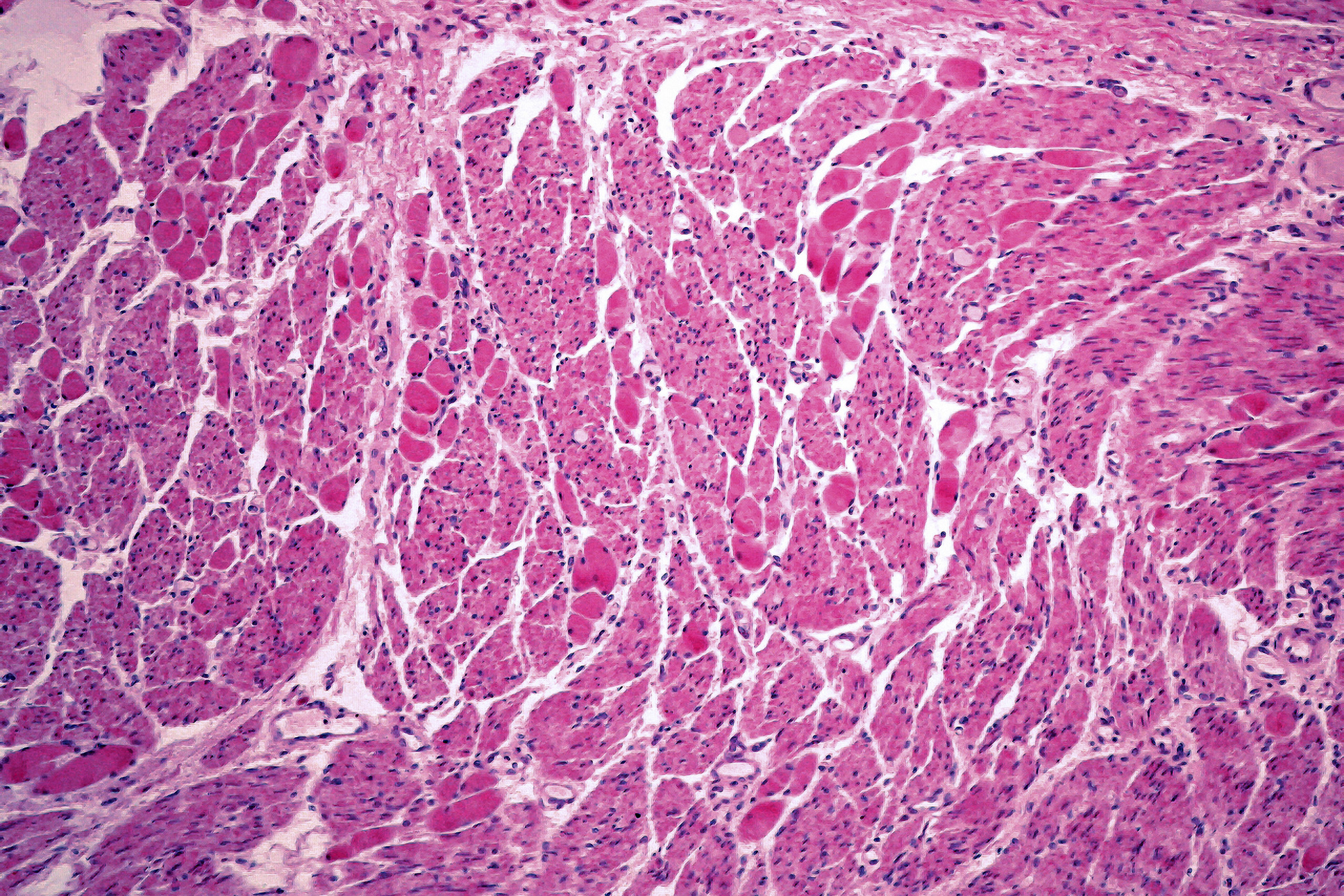
Image Related to Research
This ongoing reevaluation of how obesity is defined marks a significant step toward personalized healthcare, wherein treatment can be tailored based on intricate health profiles rather than solely relying on standard measures like BMI.







Discussion