

Focusing on Bodily Sensations: A Pathway to Dampen Acute Inflammation
Introduction
Recent research has shown that consciously focusing on bodily sensations can influence physiological responses, particularly in the context of inflammation. This article delves into the mechanisms linking mindfulness practices to inflammation modulation, specifically examining how attentional focus and emotional responses interact with bodily sensations.
Overview of Inflammation
Inflammation is a natural immune response that can be classified into two types: acute and chronic. Acute inflammation is characterized by the body’s immediate response to injury or infection, leading to symptoms such as redness, heat, and swelling. Chronic inflammation, however, persists over time and can contribute to various health issues including autoimmune disorders, depression, and anxiety.
The Role of Mindfulness
This integration of mindfulness into health interventions is largely driven by the findings from multiple studies asserting that practices like mindfulness-based stress reduction (MBSR) can lower the levels of pro-inflammatory cytokines, which are signaling molecules that orchestrate the body’s inflammatory response.
Research Findings
- Mindfulness-Based Meditation and Inflammation: A study published in Brain, Behavior, and Immunity confirmed that mindfulness meditation significantly reduced stress-induced inflammatory responses. Participants who engaged in MBSR showed lower levels of inflammatory biomarkers following stress-inducing tasks compared to those who did not practice mindfulness.
- Statistics:
- - Mindfulness group exhibited lower poststress inflammatory responses compared to control.
- - The intervention reduced levels of tumor necrosis factor alpha and interleukin 8.
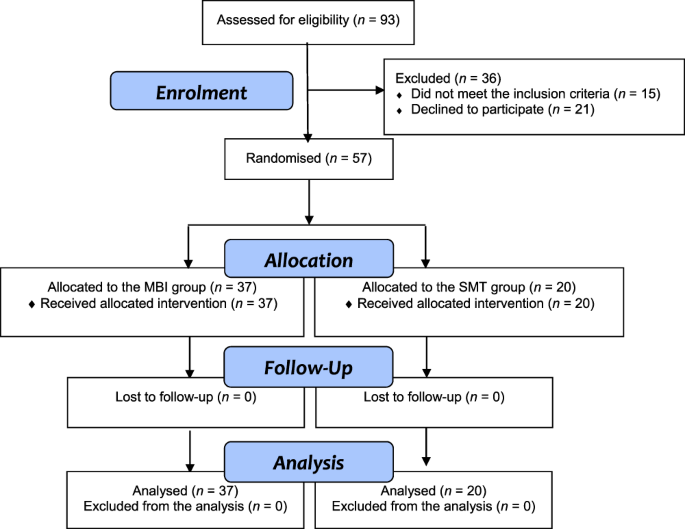
- Mindfulness in Patients with Inflammatory Bowel Disease (IBD): Another study focused on patients with IBD highlighted that a mindfulness-based intervention led to significant decreases in fecal calprotectin and C-reactive protein levels after six months. This study, published in Scientific Reports, underscores the pharmacological impact of mindfulness on biological markers associated with inflammation.
- Key Results:
- - Fecal calprotectin reduction: -367 (95% CI: -705, -29)
- - C-reactive protein reduction: -2.82 (95% CI: -5.70, 0.08)
Bodily Maps of Emotions
Highlighting the interaction between emotional states and bodily sensations, a pivotal study published in Proceedings of the National Academy of Sciences mapped how various emotions correspond to distinct bodily sensations across different cultures. This research elucidates how emotions manifest physically in the body, contributing to emotional experiences and their impacts on health.
Methodology
The studies referenced employed rigorous methodologies, including randomized controlled trials, and utilized various tools such as the Trier Social Stress Test (TSST) to evaluate psychological stress and inflammation induction through capsaicin applications.
Limitations and Future Directions
While current findings are promising, it is important to remember the limitations, such as small sample sizes in some studies and potential biases stemming from participant self-reports. Future research should focus on larger cohorts and control for environmental variables that could influence outcomes.
Conclusion
These findings highlight the intricate relationship between mindfulness practices, bodily sensations, and acute inflammation. The integration of mindfulness into clinical practices could offer new therapeutic avenues for managing inflammatory conditions.
References
- Mindfulness-Based Meditation May Help Reduce Inflammation - Mindfulness meditation techniques designed to reduce emotional reactivity also reduce poststress inflammatory responses and might be useful in chronic inflammatory conditions.
- The effect of a mindfulness-based therapy on different biomarkers among patients with inflammatory bowel disease - Mindfulness-based interventions have shown significant efficacy in decreasing stress levels and improving quality of life for patients with IBD.
- Bodily maps of emotions - This study reveals that different emotional states are associated with topographically distinct bodily sensations, supporting the link between emotions and their physiological manifestations.
- Can Awe Boost Health? - Greater Good Science Center - A study suggesting positive emotions such as awe can boost health by lowering levels of pro-inflammatory cytokines.





Discussion