


A recent breakthrough from Virginia Tech's Department of Biological Systems Engineering offers promising solutions to the ongoing challenge of opioid-related fatalities, particularly those caused by the potent opioid fentanyl. Researchers have developed a wearable microneedle patch capable of automatically detecting fentanyl levels in the body and dispensing naloxone, a critical medication that effectively reverses opioid overdoses.
Overview of the Patch
The innovative device, referred to as the iNal patch, is compact—approximately the size of a penny. It consists of an array of 121 microscopic needles designed to penetrate the skin and access the interstitial fluid. Upon detecting fentanyl, the patch is programmed to release naloxone stored in silica nanoparticles within its structure.
Mechanism of Action
The patch employs a sophisticated system of molecular gates that open in response to fentanyl, enabling a controlled and precise release of naloxone. This design allows for varying concentrations of fentanyl to trigger different amounts of naloxone release. The adaptive response mechanism is crucial, as it ensures the patch maintains a reserve of naloxone for subsequent exposures, given the prolonged effects of fentanyl compared to naloxone.
Research and Development
The groundbreaking project was led by Wujin Sun, an assistant professor at Virginia Tech, and the first author Penghui Zhao, a visiting instructor in the Academy of Integrated Science. Zhao highlighted the challenge of balancing biomaterials and microneedle technology to ensure effective drug delivery while preserving the patch's strength and biocompatibility.
Methodology
- Material Selection: The research utilized gelatin methacryloyl (GelMA) hydrogels, known for their mechanical strength and drug stability.
- Microneedle Fabrication: A microneedle array was developed featuring 10x10 needles, each measuring 600 µm in height, which was optimized using UV crosslinking methods.
- Performance Testing: Comprehensive experiments confirmed the patch's drug release profile, responsiveness to fentanyl levels, and effectiveness of dermal penetration in murine models.
Key Findings
| Finding | Description |
|---|---|
| Naloxone Release | The patch successfully released naloxone in direct response to increased fentanyl concentrations. |
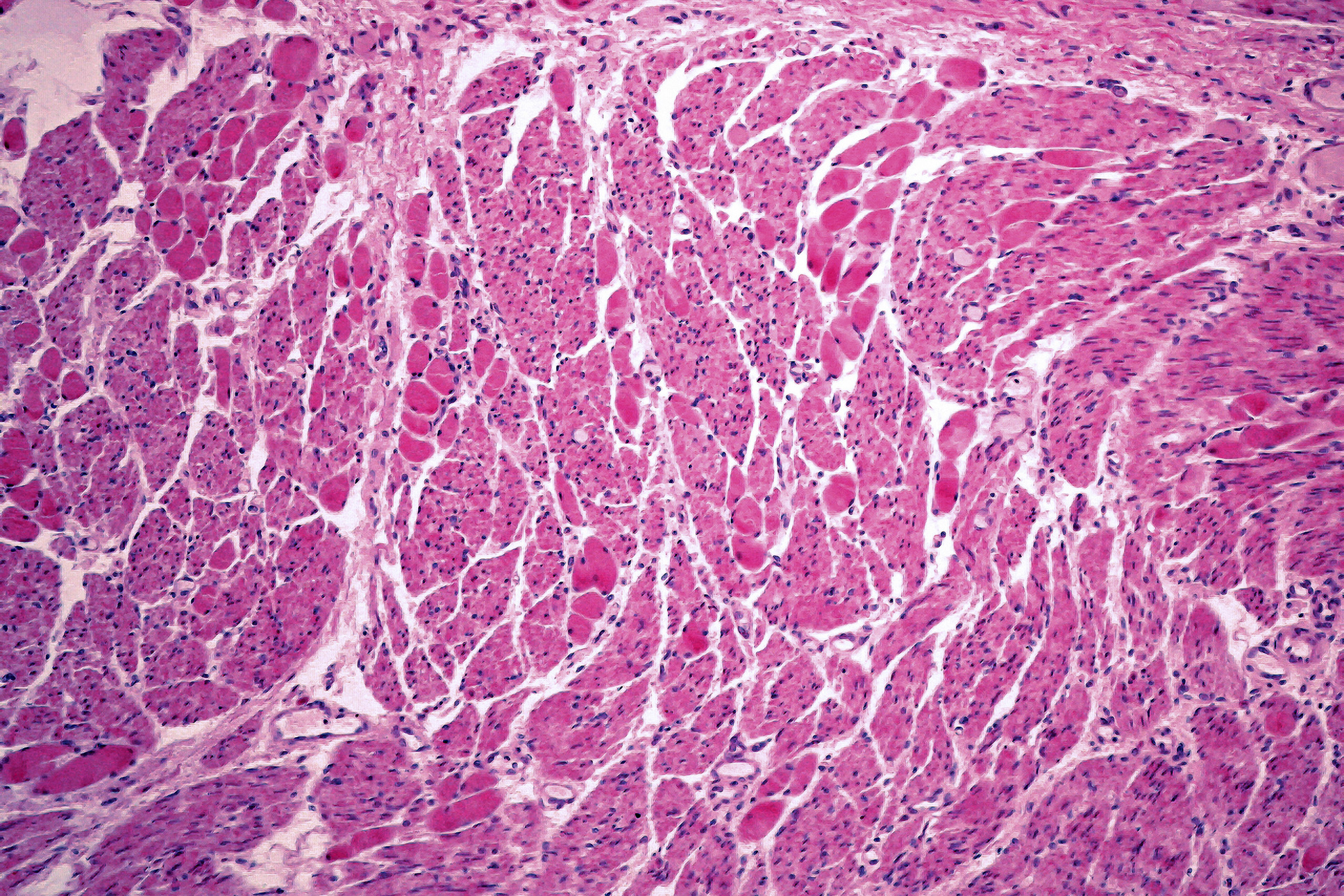
| Dermal Penetration | Histological assessments demonstrated effective penetration into the dermal layer of the skin. |
| Continuous Monitoring | The patch is designed to manage extended overdose situations through continuous monitoring and repeated response capabilities. |
Implications
This pioneering device stands to make significant contributions in saving lives by providing an automated response to overdoses, especially in scenarios lacking bystander intervention. The iNal patch may be particularly beneficial for rural or underserved communities, effectively extending the reach of emergency medical services.
Limitations and Future Directions
Despite its potential, the microneedle patch requires further research to:
- Conduct clinical trials to evaluate its efficacy among human populations.
- Address any possible allergic reactions or side effects resulting from the materials employed.
- Assess the long-term stability and performance of the patch in real-world conditions.
This cutting-edge technology represents a crucial step forward in addressing the opioid crisis and enhancing survival chances during overdose situations.
Original Research Sources
“This engaging research highlights the intersection of engineering and medicine, showcasing how innovative technology can provide timely interventions in emergency scenarios.” – Wujin Sun, Assistant Professor




Discussion