

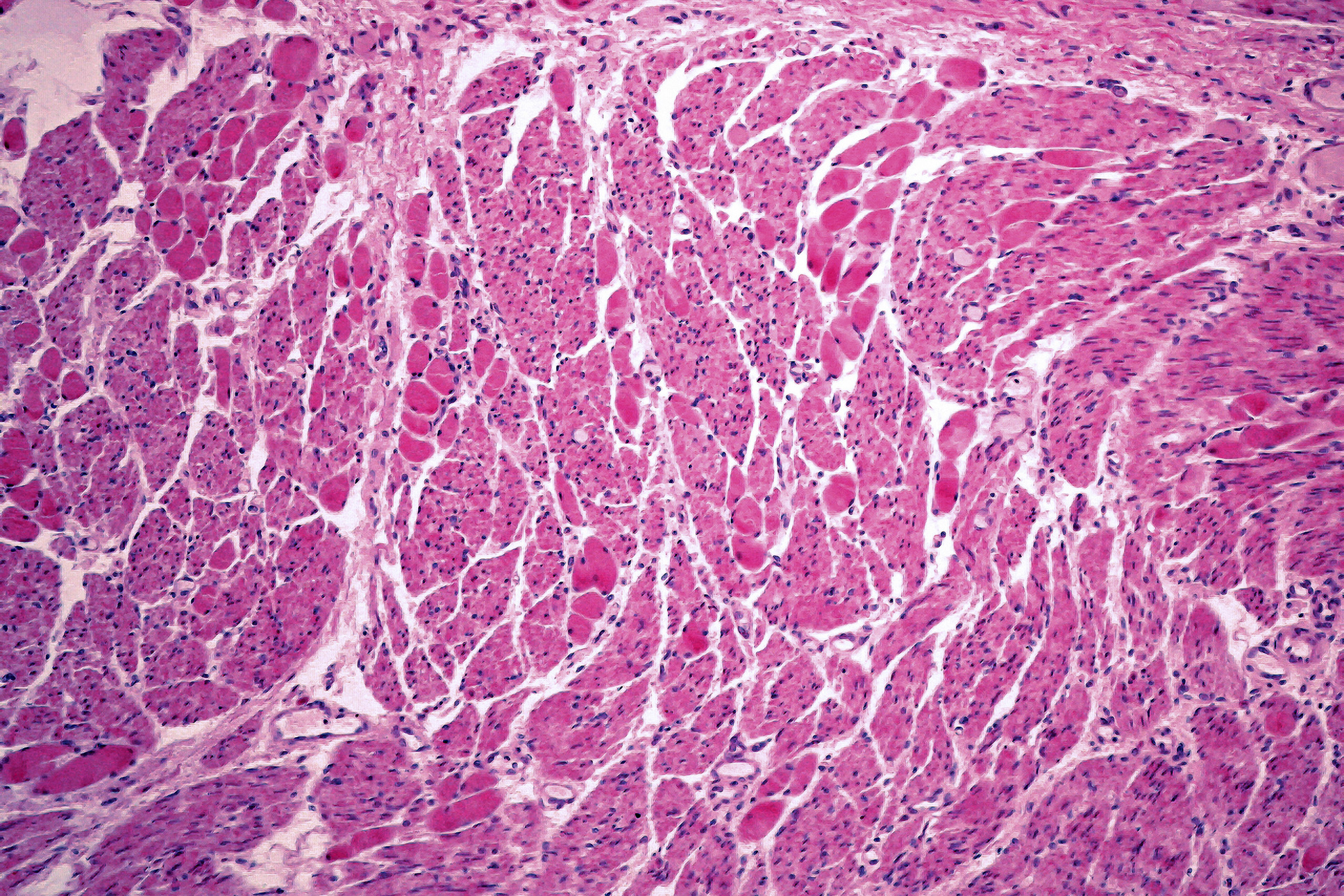
Research from Northwestern Medicine has unveiled critical insights into the mechanisms behind gastrointestinal complications commonly experienced by patients with systemic sclerosis, also known as scleroderma. The study reveals how chronic acid reflux contributes to esophageal damage, an understanding that is essential for developing personalized treatment approaches.
Introduction
Systemic sclerosis is a chronic autoimmune disease characterized by inflammation, vascular damage, and fibrosis that predominantly impacts the skin and internal organs. The gastrointestinal tract is frequently affected, leading to severe acid reflux, motility disturbances, and difficulty swallowing, all of which significantly impair patients' quality of life.
Study Overview
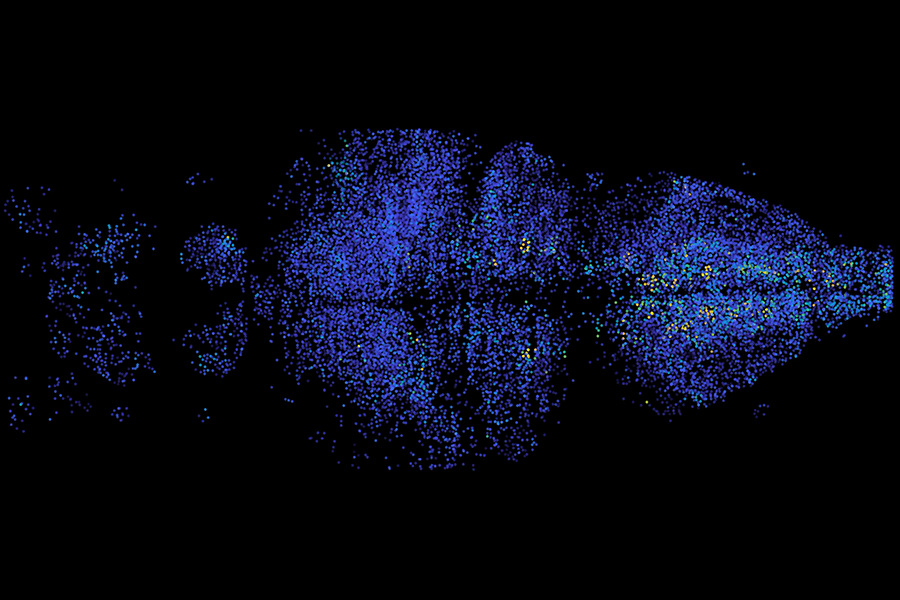
The investigators employed single-cell RNA sequencing to analyze over 306,000 cells derived from esophageal tissue samples of three groups: patients with systemic sclerosis, individuals with gastroesophageal reflux disease (GERD), and healthy controls. This innovative approach provided a detailed view of the cellular changes occurring in the esophagus due to systemic sclerosis.
Findings
The study determined that patients with systemic sclerosis displayed significant alterations in their esophageal epithelial cells. Notably, there were fewer mature cells in the outer layer of the esophagus compared to controls, suggesting that many epithelial abnormalities are likely a consequence of acid exposure rather than a direct pathological change driven by scleroderma itself.
Gene expression changes correlated closely with GERD findings, indicating shared pathogenic mechanisms between these conditions. Additionally, increased communication between fibroblasts and smooth muscle cells was identified, potentially elucidating the motility issues observed in these patients.
Esophageal Complications
Esophageal dysmotility primarily arises from vascular injuries, inflammation, and collagen deposition. Over 90% of systemic sclerosis patients may experience gastrointestinal involvement, with severe cases linked to higher mortality rates. This underscores the critical need for early diagnosis and intervention.
Gastrointestinal Manifestations in Scleroderma
Patients suffering from systemic sclerosis often present with the following gastrointestinal symptoms:
- Acid reflux
- Dysphagia (difficulty swallowing)
- Nausea and vomiting
- Gas and bloating
- Diarrhea and constipation
These symptoms can vary significantly, leading to malnutrition and severely affecting the overall health status of affected individuals.
Treatment Strategies
While symptomatic treatments including proton pump inhibitors and prokinetic agents can alleviate discomfort, their effectiveness concerning disease progression remains unclear. Nutritional interventions also play a pivotal role in managing gastrointestinal complications and should be incorporated into patient care plans.
“Understanding the specific mechanisms underlying esophageal complications will guide more effective therapeutic strategies in treating patients with systemic sclerosis,” said Matthew Dapas, PhD, the leading author of the study.
Conclusion
This groundbreaking research highlights the necessity of integrating new cellular technologies into routine assessments of esophageal involvement in systemic sclerosis, ultimately paving the way for improved patient outcomes and tailored therapeutic approaches.
References
| Source | Description |
|---|---|
| New Cellular Clues to Complications of Scleroderma - Northwestern University | Study findings revealing mechanisms for esophageal complications in systemic sclerosis. |
| Esophageal Dysfunction in Systemic Sclerosis: An Update | Review of pathogenesis and clinical features regarding esophageal motility disorders in systemic sclerosis. |
| Gastrointestinal Issues & Scleroderma Complications and Treatments | Overview of gastrointestinal complications and treatments in scleroderma. |
| Treatment of Gastrointestinal Disease in Scleroderma | Details on management and treatment of GI disease associated with systemic sclerosis. |
| Esophageal Plaques and Systemic Sclerosis | Insight on esophageal involvement and candidiasis risks in systemic sclerosis patients. |





Discussion