

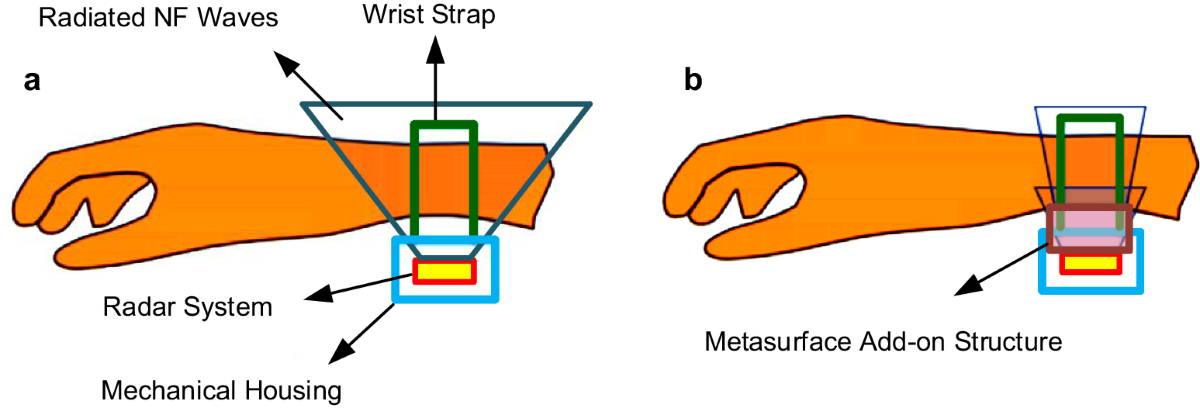
Recent advancements in biomedical engineering have ushered in innovative technologies aimed at revolutionizing medical imaging. The development of a new metasurface material capable of functioning as two imaging devices in one presents significant opportunities for the future of compact, point-of-care medical imaging devices. These innovations promise to enhance diagnostic capabilities while maintaining the portability and efficiency required in modern healthcare settings.
Understanding Metasurfaces
Metasurfaces are engineered materials composed of nanoscale structures that manipulate electromagnetic waves. By precisely controlling the behavior of light—whether it be at varying angles or through polarization—metasurfaces allow for high-resolution imaging without the need for bulky optics, opening new avenues for portable diagnostic devices.
Key Findings and Applications
| Application | Description |
|---|---|
| Point-of-Care Imaging | Metasurfaces enable the development of compact medical imaging devices such as portable ultrasounds and X-ray machines, facilitating immediate diagnostics in emergency and remote settings. |
| Cancer Detection | With enhanced contrast capabilities through controlled light polarization, metasurfaces significantly improve the accuracy of imaging techniques used in cancer diagnostics. |
| Biosensing | Metasurface-based sensors demonstrate higher sensitivity and selectivity in detecting biomarkers, which are essential for effective disease diagnosis. |
Methodology
The development process of these metasurfaces involved rigorous theoretical modeling and empirical testing. For instance, researchers created sensor arrays that respond variably to different light polarizations, thus generating precise imaging capability for complex object visualization.
Various studies have demonstrated metasurfaces' efficacy in reducing the optical system size by eliminating traditional lenses, thereby lowering manufacturing costs and facilitating deployment in various medical contexts.
Limitations
Despite their potential, factors such as limited dynamic tunability and challenges with maintaining polarization control over diverse operational wavelengths remain significant hurdles for widespread adoption. Moreover, the high cost of initial technology development could hinder accessibility in certain healthcare environments.
Important Institutions and Collaborations
Research initiatives from esteemed institutions, along with collaborative efforts from various universities, have played pivotal roles in advancing metasurface technology. Their contributions range from fundamental research to the commercialization of compact imaging devices.
Conclusion
As technology evolves, the integration of metasurface materials into medical imaging systems provides promising pathways for enhancing point-of-care diagnostics and overall healthcare delivery. Future investigations are required to tackle existing limitations while paving the way for innovative applications of metasurfaces across various domains in medical technology.
Sources
- Active metasurface designs for lensless and detector-limited imaging: This paper discusses advancements in focusing light for imaging applications using metasurfaces.
- Metasurface for 3D Imaging, AR/VR, and Efficient Automotive Lighting: Research on the application of metasurfaces in various imaging technologies.
- Quantum Imaging with Metasurfaces: Gains, Limitations, and Prospects: This article reviews the integration of quantum technologies with metasurfaces for advanced imaging.
- Medical Imaging Semiconductor Technology: An overview of compact imaging technologies provided by Microchip for medical use.








Discussion