


Recent research emphasizes significant differences in vaccination responses among individuals who have survived sepsis compared to those who have not. This variation in immune response indicates a critical need for tailored vaccination strategies.
Background on Sepsis and Immune Response
Sepsis, a life-threatening condition triggered by infections, can lead to long-term health complications, particularly affecting the immune system. Survivors often experience an altered immune state characterized by inflammation and immunosuppression, significantly impacting how vaccines work in this population.
The VACIRiSS Trial
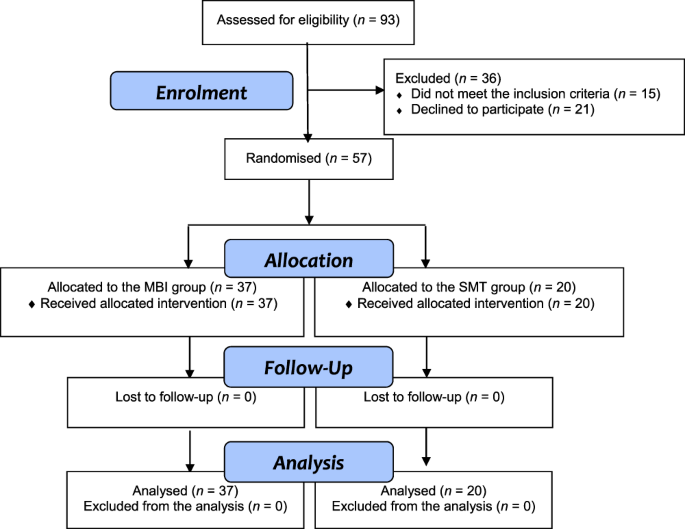
The Vaccination for Immune Recovery Following Sepsis (VACIRiSS) trial was a pivotal study that investigated the immune responses to the 13-valent pneumococcal conjugate vaccine (PCV13) among sepsis survivors. Conducted by a team at King’s College London and Guy’s and St Thomas' NHS Foundation Trust, the trial involved 214 participants who were randomly assigned to receive either the vaccine or a placebo.
Key Findings
- Variable Immune Responses: While many participants produced immune responses to PCV13, these responses varied widely, influenced by factors such as age, sex, and baseline immune status.
- Clinical Outcomes: The study found no significant reduction in the rates of rehospitalization due to infection or mortality over a year among those vaccinated.
- Need for Further Research: The variability in responses underscores the necessity for ongoing research to better understand the immune mechanisms at play in sepsis survivors.
Statistics from the Study
| Outcome | PCV13 Group | Placebo Group |
|---|---|---|
| Rehospitalization due to infection | 43 events in 72.5 person-years | 38 events in 76.5 person-years |
| Mortality rate | No significant improvement | N/A |
Understanding the Immune System Alterations
Sepsis survivors frequently exhibit an altered immune profile, which complicates standard vaccination effectiveness. Immune response measurements revealed ongoing inflammation alongside immunosuppression, indicating that while some immune cells react to the vaccine, the overall capability to mount a robust defense against infections remains compromised.
Limitations of the Study
- Small sample size limits the generalizability of results.
- Follow-up duration may not capture long-term vaccine effectiveness.
Research Implications
The findings from the VACIRiSS trial point toward the necessity of individualized vaccination strategies and ongoing research goals:
- Identifying optimal vaccination protocols for this vulnerable group.
- Understanding the underlying immunologic factors affecting vaccine responses.
Conclusion
This groundbreaking research emphasizes the complex interplay between sepsis and immune responses, advocating for further studies to enhance vaccine efficacy in sepsis survivors. Addressing these challenges is vital for improving health outcomes and quality of life post-sepsis.
Key Sources
Image Credits
Additional academic sources:
- A randomized, placebo-controlled trial of 13-valent pneumococcal conjugate vaccination - This study assesses the immune responses of sepsis survivors to PCV13.
- Vaccination for immune recovery following sepsis: The VACIRiSS Trial - Details about the VACIRiSS trial's goals and findings.
- King's College London Statement - King's College London discusses the varied vaccine responses in sepsis survivors.




Discussion