

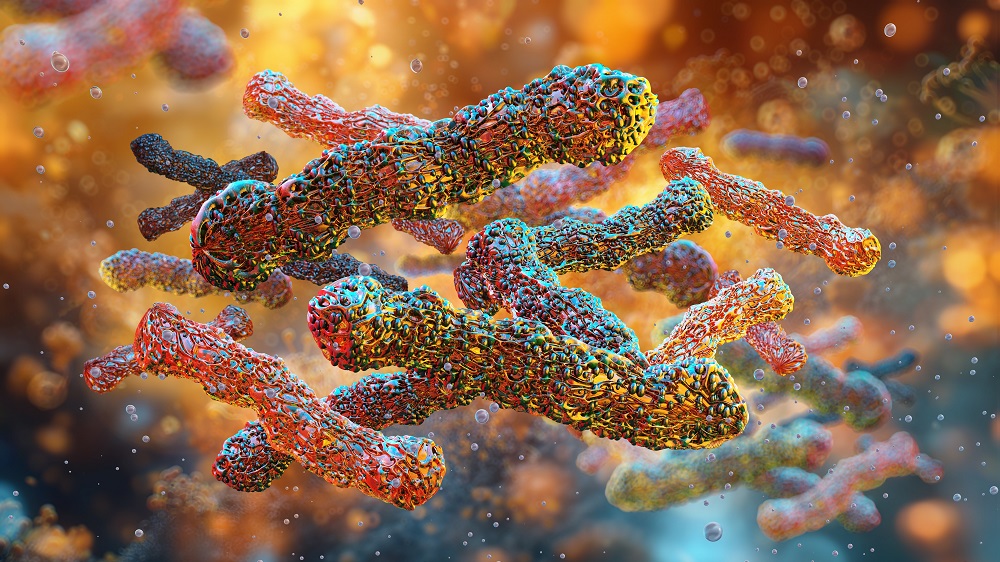
Recent research has unveiled significant findings regarding the impact of a specific gut bacterium on weight management in mice. The study, published in Cell Metabolism, focuses on the bacterium Turicibacter and its unique lipid production, which exhibits potential to suppress weight gain and enhance metabolic health.
Key Findings
- This bacterium produces lipids that inhibit fatty acid uptake.
- The presence of Turicibacter is diminished on a high-fat diet (HFD).
- Direct administration of Turicibacter lipids has shown to replicate its beneficial effects on weight management.
- Current research has not yet pinpointed the specific molecules or pathways responsible for these outcomes.
The Role of Gut Microbes in Weight Management
The trillions of gut microbes play an instrumental role in regulating various health aspects, including metabolic processes. Microbiome diversity is typically compromised in individuals with obesity. Previous studies have illustrated the profound effect of gut microbiota on weight gain; for instance:
- Transfer of microbiota from obese to lean mice resulted in weight gain in lean mice.
- Germ-free mice remain lean even when fed a high-fat diet, indicating the absence of certain bacteria may hinder fat accumulation.
Researchers have long identified that spore-forming (SF) bacteria, including Turicibacter, enhance metabolic health and support leanness. The recent study driven by the University of Utah team sought to identify specific bacterial strains with oversized effects on metabolism.
The Discovery of Turicibacter
Turicibacter was discovered to independently improve metabolic health in mice subjected to a high-fat diet through continuous supplementation. Notable effects include:
- Reduction in triglyceride levels.
- Decreased weight gain.
- Reduction in white adipose tissue (WAT).
- Downregulation of sphingolipid metabolism in the small intestine.
"I didn’t think one microbe would have such a dramatic effect; I thought it would be a mix of three or four," said June Round, PhD.
Impact of High-Fat Diet on Turicibacter
Further investigation revealed a concerning trend: a high-fat diet diminishes Turicibacter populations. To validate this hypothesis, researchers employed Turicibacter-monocolonized mice and compared the effects of high-fat versus normal diets:
| Diet Type | Impact on Turicibacter Levels | Weight Gain |
|---|---|---|
| High-Fat Diet | Significantly reduced | Increased |
| Normal Chow | Maintained | Decreased |
This evidence suggests that high-fat diets may facilitate weight gain by eliminating beneficial bacteria such as Turicibacter that typically suppress it.
Mechanism of Action
Using bacterial lipidomics, researchers discovered that Turicibacter produces a unique mix of lipids, primarily composed of galactolipids. Despite this discovery, 95% of the Turicibacter lipidome remains uncharacterized, emphasizing the need for further exploration.
| Lipid Composition | Type |
|---|---|
| Galactolipids | Predominant |
| Phosphatidylcholine | Relatively Low |
Experiments indicated that lipids derived from Turicibacter can infiltrate intestinal epithelial cells, subsequently reducing the expression of genes involved in ceramide synthesis. This reduced ceramide production is believed to play a critical role in mitigating fatty acid absorption by epithelial cells.
Future Directions
The ongoing research aims to isolate the specific lipids responsible for the metabolic effects observed with Turicibacter. Understanding these components could potentially lead to:
- Therapeutic applications of bacterial lipids to promote healthy weight management.
- Development of microbiota-based interventions for obesity and related metabolic disorders.
Conclusion
The findings from this study highlight the significant role of Turicibacter and its lipid production in regulating weight gain and metabolic health in mice. Continuing research aims to unlock the full potential of gut microbes in clinical applications for health and obesity management.
Literature Cited
[1] Klag, K., et al. (2025). Dietary fat disrupts a commensal-host lipid network that promotes metabolic health. Cell Metabolism.
[2] Davis, C. D. (2016). The gut microbiome and its role in obesity. Nutrition Today, 51(4), 167-174.
[3] Ridaura, V. K., et al. (2013). Gut microbiota from twins discordant for obesity modulate metabolism in mice. Science, 341(6150), 1241214.
[4] Bäckhed, F., et al. (2007). Mechanisms underlying the resistance to diet-induced obesity in germ-free mice. Proceedings of the National Academy of Sciences, 104(3), 979-984.
About the Author
Arkadi Mazin is a seasoned journalist and op-ed author with a passion for learning and exploration. His interests span from politics to science and philosophy. Having studied economics and international relations, he is particularly interested in the social aspects of longevity and life extension.
Support Independent Journalism
We are a non-profit foundation, and all our news and educational content is free for everyone to read. Your contributions help sustain independent journalism!









Discussion