

A recent study conducted by scientists at the National Institutes of Health (NIH) has revealed that circulating levels of taurine, a conditionally essential amino acid, are unlikely to serve as a reliable biomarker for aging. Published in the prestigious journal Science, the article titled "Is taurine an aging biomarker?" investigates the associations between taurine levels and aging in various species, including humans, monkeys, and mice.
Understanding Taurine and Its Implications
Taurine has gained attention due to studies suggesting that its supplementation may improve age-related traits and possibly extend lifespan in model organisms such as worms and mice. However, the findings of this new study challenge the notion of taurine as an aging biomarker.
Key Findings of the Study
The researchers focused on the following aspects:
- Changes in Taurine Levels: Across the studied species, taurine levels often increased or remained stable with age, challenging prior assumptions of a decline as a marker of aging.
- Inconsistencies in Associations: The analysis demonstrated that changes in taurine levels did not correlate uniformly with biological aging or health outcomes such as muscle strength and body weight across age and species.
- Individual Variability: The research highlighted significant individual differences in taurine levels that often surpassed age-related changes, indicating the influence of genetic, nutritional, and environmental factors.
Research Methodology
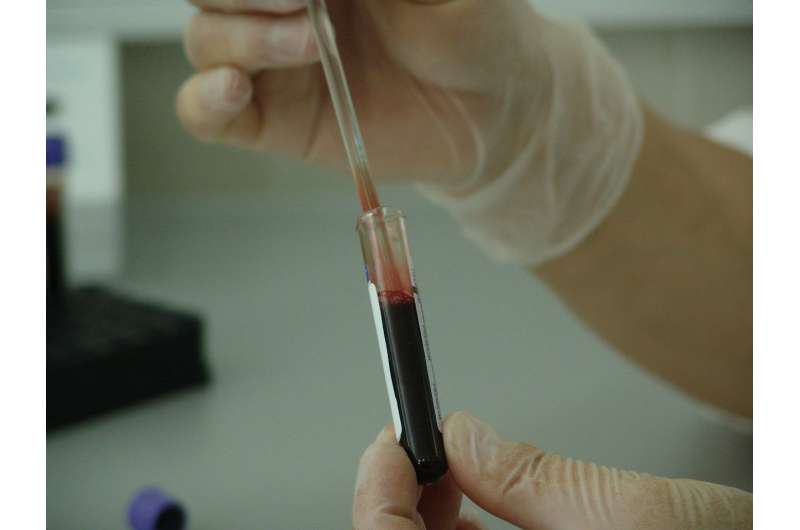
The research utilized longitudinal and cross-sectional analyses involving blood sample measurements of taurine concentrations from various cohorts:
| Population | Age Range | Findings |
|---|---|---|
| Humans | 26–100 years | Taurine levels increased with age. |
| Monkeys | 3–32 years | Stable taurine levels noted. |
| Mice | 9–27 months | Male mice showed unchanged taurine levels. |
Implications of the Findings
The implications of these findings are significant, particularly in the context of gerontology and aging research:
- Need for Reliable Biomarkers: The study underscores the urgent requirement for identifying reliable biomarkers to predict aging and health decline, which could lead to more effective personalized strategies for maintaining health in older individuals.
- Limitations of Current Methods: The variability in taurine levels suggests that relying solely on this amino acid for biological aging assessments is not valid.
“Identifying reliable biomarkers to predict the onset and progression of aging and functional decline would be a major breakthrough, enabling more effective, personalized strategies to maintain health and independence into old age.” – Luigi Ferrucci, M.D., Ph.D.
Future Directions
As scientists look towards the future of aging research, a few key areas of study have emerged:
- Investigating other potential biomarkers that reflect biological aging more reliably.
- Understanding the complex interactions between genetics, nutrition, and environmental factors on aging.
- Conducting further longitudinal studies across diverse populations to validate findings related to taurine and other biomarkers.
Conclusions
In summary, while taurine supplementation has shown promise in preclinical studies, its role as an aging biomarker is far from conclusive. The current findings advocate for a comprehensive evaluation of biomarker potential, urging the scientific community to continue exploring the complex nature of aging.
References
Fernandez, M. E., et al. (2025). Is taurine an aging biomarker? _Science_. Retrieval link
NIH National Institute on Aging. Additional insights and studies can be found on their official site.









Discussion