

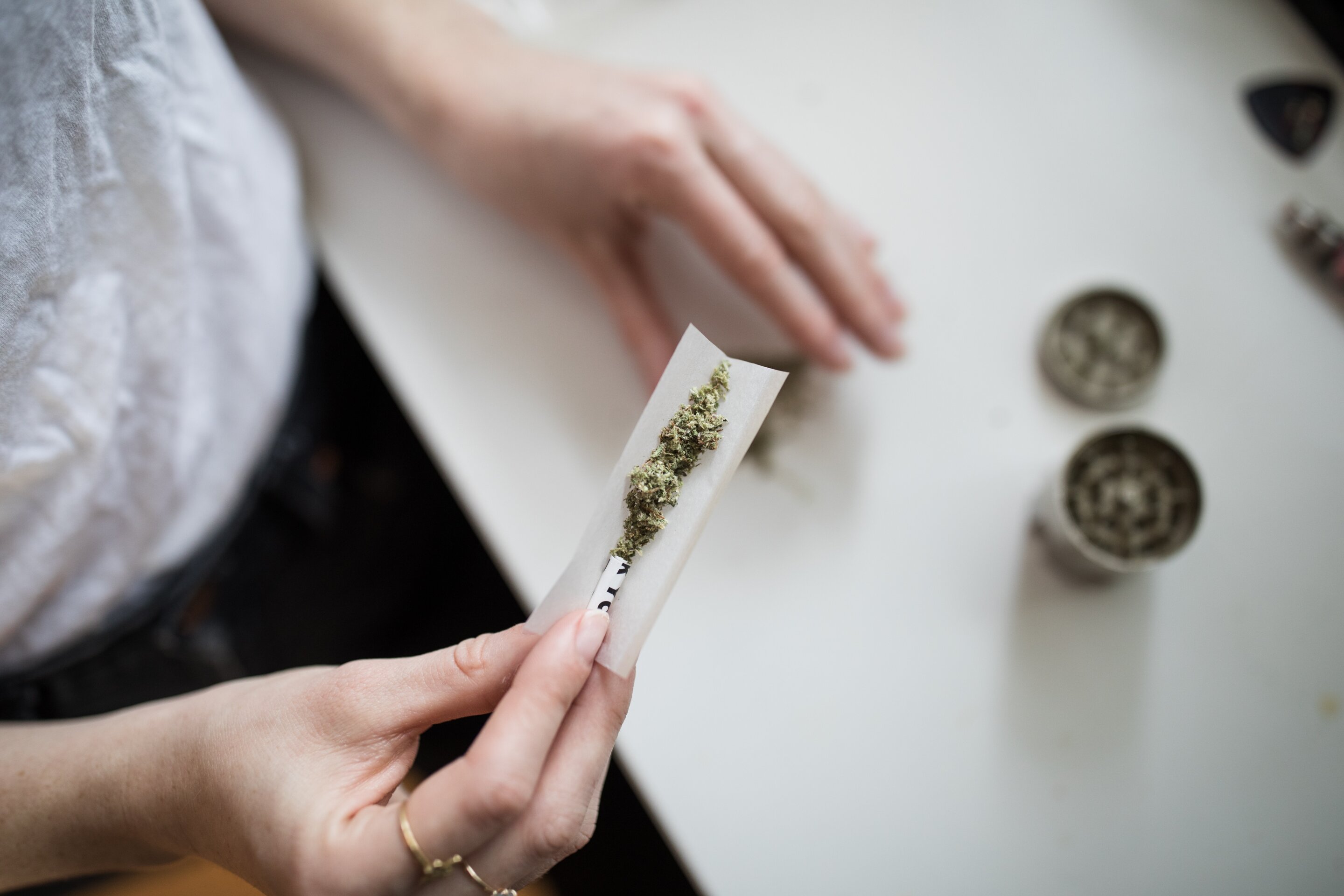
A recent study published in Clinical Chemistry has highlighted a significant issue concerning current cannabis blood concentration limits used to identify impaired drivers. This research, conducted by a team led by Dr. Thomas D. Marcotte, a professor of psychiatry at the University of California, San Diego, raises concerns that these laws may unjustly penalize innocent individuals.
Overview of the Research
The research team aimed to investigate blood concentrations of delta-9-tetrahydrocannabinol (THC), the primary psychoactive component in cannabis, among regular users. Their objective was to assess the implications of existing legal limits on driving impairment. A total of 190 regular cannabis users participated in the study, with participants required to abstain from cannabis for at least 48 hours prior to testing. To measure the impact on driving ability, researchers utilized a driving simulator following this abstention period.
Key Findings
The results from this comprehensive study indicated that a substantial proportion of regular cannabis users exceed legal THC blood concentration limits even days after their last consumption. Specifically:
| THC Concentration Level | Percentage of Participants |
|---|---|
| Exceeding Zero-Tolerance Laws | 43% |
| Exceeding 2 ng/mL Per Se Cut-off | 24% |
| Exceeding 5 ng/mL Per Se Cut-off | 5.3% |
Notably, drivers with elevated THC blood levels did not demonstrate any significant impairment in driving performance as measured by the simulator compared to those with lower concentrations. These findings collectively suggest that current legal standards for THC limits lack scientific backing regarding their effectiveness in indicating impairment.
Legal Limits and Their Implications
Despite no established correlation between THC detection in the blood and actual driving impairment, several states in the U.S. maintain strict laws regarding per se THC limits. These laws stipulate cut-off thresholds of either 2 or 5 ng/mL. In addition, twelve states uphold a zero-tolerance policy, placing drivers at risk of severe legal repercussions irrespective of their actual driving capabilities or recent cannabis use. Such policies can lead to unjust charges against individuals who may show no signs of impairment.
The Need for Improved Impairment Assessment
In light of the study’s revelations, the authors advocate for a shift in how impairment is assessed among drivers who consume cannabis. They stress the necessity of developing a more reliable impairment assessment protocol that combines field observations with toxicological evaluations. The authors state:
"More work needs to be done to address how to best identify drivers who are under the influence of cannabis and are unsafe to drive."
Furthermore, they emphasize the importance of collaboration among researchers, law enforcement, and policymakers to establish unbiased standards that enhance public safety while respecting individual rights.
Conclusion
The findings from this study underscore the need for a reevaluation of existing cannabis blood concentration limits and highlight the necessity for evidence-based policies regarding cannabis use and driving. As societal attitudes and regulations surrounding cannabis continue to evolve, it is crucial to ensure that legal standards remain congruent with scientific understanding.
References
- Fitzgerald, R. L. et al. (2025). Per Se Driving Under the Influence of Cannabis Statutes and Blood Delta-9-Tetrahydrocannabinol Concentrations following Short-Term Cannabis Abstinence, Clinical Chemistry.
For further reading, access the full article on Medical Xpress.









Discussion