

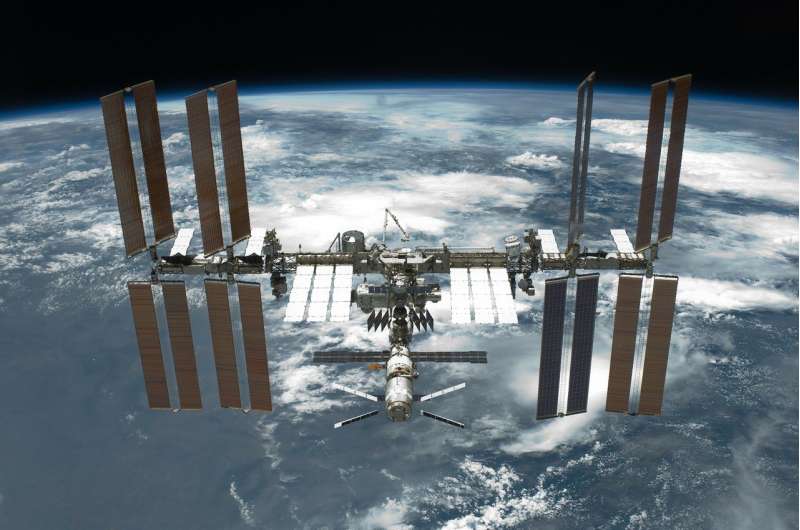
Researchers from the Buck Institute for Research on Aging have unveiled exciting insights into the relationship between spaceflight, aging, and cellular resilience. Their findings stem from the Axiom-2 mission, which launched in May 2023, where a four-member crew engaged in studies focused on human physiological response to space conditions.
Impact of Spaceflight on Biological Aging
Spaceflight introduces astronauts to unique environmental stressors, which include:
- Microgravity: A condition that alters bodily functions and biological processes.
- Ionizing Radiation: Increases exposure compared to Earth, impacting cellular structures.
- Disruption of Circadian Rhythms: Alters sleep patterns and hormonal balance.
- Social Isolation: Limited interaction that may affect mental health and stress levels.
Utilizing blood samples from astronauts before, during, and after the mission, the researchers developed a metric known as Epigenetic Age Acceleration (EAA). This formula assesses how stressors influence gene expression and biological aging.
Findings indicated that, on average, EAA increased by 1.91 years by flight day 7. Remarkably, following their return, all crew members experienced a decrease in biological age, with older astronauts reverting to their pre-flight estimates and younger astronauts demonstrating an age even lower than their baseline measurements.
Potential for Rejuvenation and Future Research
David Furman, Ph.D., the director of the AI and Bioinformatics Core at Buck, emphasized the significance of these findings:
“These results point to the exciting possibility that humans have natural rejuvenating factors that can counter these age-accelerating stressors.”
This positions spaceflight as a valuable platform for understanding aging mechanisms and testing possible anti-aging interventions.
Findings from Blood Sample Analyses
The blood samples from the Axiom-2 mission were analyzed using 32 different assays. The highlights of the research included:
| Measurement | Observable Change |
|---|---|
| Epigenetic Age Acceleration | Increased by 1.91 years by day 7 of flight |
| Regulatory T-Cells | Significant shifts observed in immune cell composition |
| Naive CD4 T-Cells | Notable changes contributing to age-driven shifts |
Even when accounting for variations in cell composition, the data suggested that spaceflight triggered rapid, reversible epigenetic changes, which are, intriguingly, somewhat independent of cell type shifts.
Future Research Directions
Furman's laboratory is advancing their research by modeling microgravity effects on organoids derived from human heart, brain, and immune cells. This innovative approach aims to deepen understanding of how different tissues react to conditions similar to those in space.
The Buck Institute has patented technology designed to aid drug discovery and support individuals interested in mitigating the aging process.
Publication details on the research can be found in the study by Matías Fuentealba et al., titled Astronauts as a Human Aging Model: Epigenetic Age Responses to Space Exposure in the journal Aging Cell (2026).
Key Takeaways
The implications of this research are vast, suggesting that:
- Spaceflight serves as a unique model for studying human aging processes.
- Findings may lead to interventions that may help slow down age-related decline on Earth.
- Monitoring shifts in biomarkers during space missions can provide critical insights into human health and longevity.
As stated in the study, the results position spaceflight as a crucial avenue for advancing our understanding of aging and exploring potential rejuvenating therapies for future generations.
For further reading, visit the full article on Medical Xpress.
Copyright © Buck Institute for Research on Aging. All rights reserved.









Discussion