

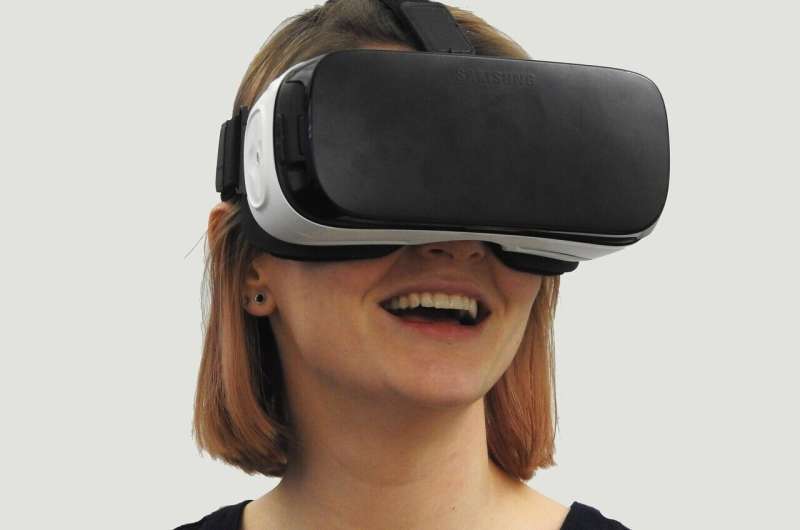
In a groundbreaking study conducted by researchers at Cornell University, the effects of social interaction in virtual reality (VR) on pain tolerance were examined. Previously, VR has been utilized in pain management primarily as a solitary experience, allowing patients to distract themselves from discomfort. However, this study introduces a novel angle by exploring how social virtual reality (SVR) can influence pain perception.
Research Overview
The study, titled The Effects of Companionship From Strangers and Companions on Pain Thresholds in Immersive Virtual Reality: A Randomized Controlled Trial, was led by Isabelle McLeod Daphnis, under the direction of Andrea Stevenson Won, an associate professor in the College of Agriculture and Life Sciences. The findings were published in Pain Medicine in October 2025.
Researchers conducted a randomized controlled trial involving 70 participants, primarily Cornell students, to investigate pain tolerance under different conditions, which included:
- Connecting with a companion in VR
- Connecting with a companion via Zoom
- Connecting with a stranger in VR
- Being alone in VR
Methods and Pain Induction
The participants underwent a pain induction method where they placed a hand on a thermal device that steadily increased in temperature until they could no longer tolerate it. The maximum temperature reached was 50 degrees Celsius, and participants provided pain ratings on a scale from 1 to 10 during the experiment. This setup allowed researchers to measure both the heat level reached and the subjective pain experience reported by the participants.
Key Findings
The primary outcomes of the research showed that:
| Condition | Reported Pain Tolerance | Preferred Interaction |
|---|---|---|
| Companion in VR | Higher Tolerance | Most Preferred |
| Stranger in VR | Moderate Tolerance | Preferred |
| Zoom Interaction | Lower Tolerance | Less Preferred |
| Alone in VR | Lowest Tolerance | Least Preferred |
Participants reported a strong preference for VR interactions, whether with companions or strangers, over solitary experiences. Notably, some individuals were able to tolerate greater levels of pain without the social distraction provided by another individual.
Complex Interactions and Presence
The results suggested that the more engaged participants felt in the VR environment, the less pain they could tolerate, leading to some confusion among the researchers. Traditionally, increased presence in immersive environments is believed to correlate with reduced pain perception. However, the findings indicate a more nuanced relationship. The active engagement in VR with companions or even strangers might influence pain tolerance through psychological mechanisms that were previously unconsidered.
“Virtual reality is a particularly effective distractor that allows you to do a lot of interesting things with embodiment,” said Won, indicating the potential therapeutic benefits of SVR in pain management.
Contributions and Future Research
This significant project fosters the importance of teamwork in research, employing numerous undergraduate students for both lab work and participation in the study. According to Won, “It was a study that brought value to a lot of people's Cornell experience.”
As researchers continue to explore the effects of social interaction in VR, further studies may investigate not only the implications for pain management but also the broader applicability of SVR in treating various psychological and physical health conditions.
Conclusion
The findings underscore the potential of social virtual reality as a means of enhancing pain tolerance, marking an innovative approach that bridges the fields of psychology and technology.
Literature Cited
[1] McLeod Daphnis, S. I., et al. (2025). The effects of companionship from strangers and companions on pain thresholds in immersive virtual reality: A randomized controlled trial. _Pain Medicine_.
[2] Won, A. S. (2025). Combining VR with social interaction for pain relief. _Journal of Virtual Reality Research_.
[3] Additional research link on VR and pain management: Pain Medicine Journal.
For more information about this research, visit the original article on Medical Xpress.









Discussion