

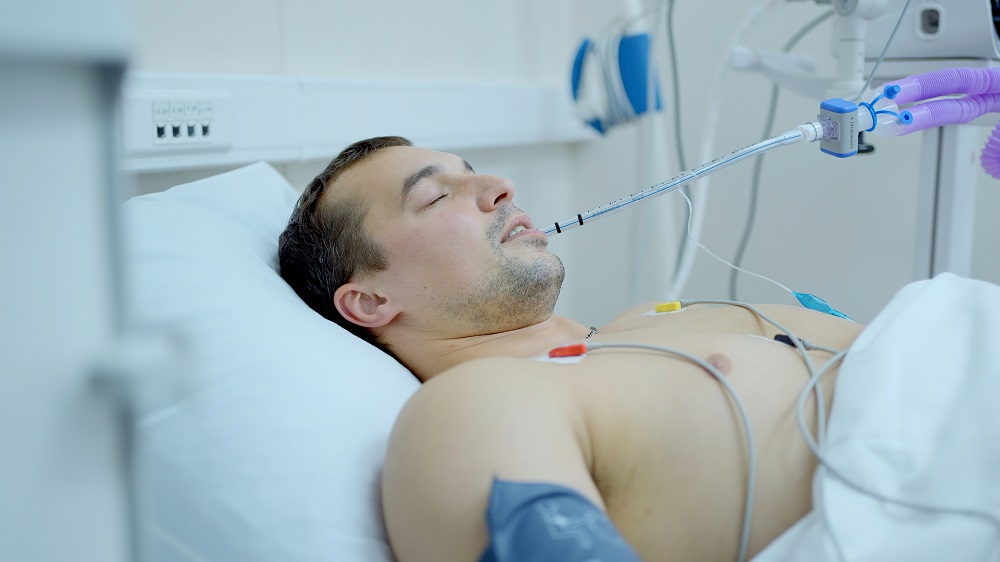
A recent study has identified RUVBL2 as a potential target for improving cognitive outcomes in older adults who undergo surgery. This research highlights the detrimental effects of postoperative delirium and emphasizes the metabolic changes in the brain that follow surgical procedures.
A Common Problem with Long-Term Effects
Delirium is a significant concern in older surgical patients, with estimates suggesting that about 25% experience this condition after surgery [1]. The prevalence climbs to nearly 50% for high-risk or invasive surgeries [2]. Postoperative delirium not only prolongs hospital stays but also approximately triples the risk of mortality [3].
Moreover, there is a concerning link between postoperative delirium and further cognitive decline, particularly in individuals with existing mild cognitive impairment (MCI). Studies have shown that nearly two-thirds of patients with MCI went on to develop full-blown Alzheimer’s disease within three years of experiencing perioperative delirium [4].
Despite these alarming statistics, research on the underlying reasons for these outcomes has been limited. To address this gap, the team focused on microglia, the immune cells in the brain that have been shown to be overactivated during postoperative delirium [6]. This overactivation is associated with metabolic shifts that are linked to conditions such as Alzheimer’s disease [7]. Part of this response is the formation of stress granules, which are protective mechanisms that can become dysregulated during neurodegenerative processes [8].
The authors previously demonstrated that silencing RUVBL2 leads to increased cellular ATP, which facilitates the dissolution of stress granules, restoring normal function in a rat model of mild cognitive impairment [9]. This current study extends that work to explore RUVBL2's specific role in metabolic changes associated with postoperative delirium.
Anaesthetic Surgery Causes Hippocampal Changes
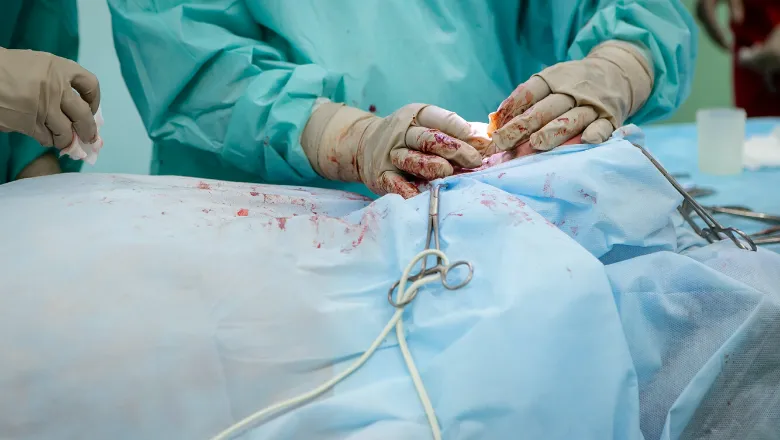
In their initial experiment, the researchers conducted surgeries on aged rats, applying a 3% sevoflurane anaesthetic for three hours. Following surgery, cognitive tests were administered to assess performance outcomes. In comparison to a control group and those undergoing sham surgeries, the sevoflurane group exhibited:
| Parameter | Sevoflurane Group | Control Group |
|---|---|---|
| IL-1β Levels | Increased | Normal |
| IL-10 Levels | Decreased | Normal |
| Cognitive Test Performance | Poor | Normal |
This analysis indicated that rats exposed to sevoflurane had significantly worse performances on standard cognitive assessments, including the Barnes maze and novel object recognition tests. Additionally, there was evidence of a metabolic shift within the hippocampus, characterized by a transition from oxidative phosphorylation to glycolysis, coinciding with an inflammatory response in microglia. Specifically, microglial branching decreased, and an increase in CD86 was observed, along with heightened RUVBL2 levels and stress granule formation.
Suppressing RUVBL2 Has Significant Effects
The researchers further investigated RUVBL2 by manipulating its expression in an older rat model of mild cognitive impairment. They used two distinct lentiviruses: one elevating RUVBL2 expression and the other reducing it. The rats underwent the same sevoflurane anaesthetic surgery, allowing evaluation of the resultant effects on cognitive function:
| Group | Test Performance | Inflammatory Markers | Stress Granule Formation |
|---|---|---|---|
| Increased RUVBL2 | Poor | High | Increased |
| Suppressed RUVBL2 | Improved | Low | Decreased |
As predicted, the rats with heightened RUVBL2 performed worse on both the novel object and Barnes maze tests. However, those with suppressed RUVBL2 exhibited significant improvement, reduced inflammation, and a reversal of the glycolytic metabolic shift. The suppression also led to an increase in available ATP and a decrease in both the number and size of stress granules. As concluded by the researchers, "these data suggest that reduced RUVBL2 expression inhibits metabolic reprogramming progression and effectively alleviates postoperative cognitive deficits in aged MCI rats subjected to sevoflurane anesthesia and surgical trauma."
The findings from this study position RUVBL2 as a promising target for future therapeutic interventions. Nonetheless, the authors caution that the research has its limitations, chiefly the heterogeneity of microglial responses, indicating that further investigation is essential to fully elucidate the complex interactions between anaesthesia, microglial function, and RUVBL2 within this context. If effective therapies emerge from this research trajectory, the risk associated with surgeries requiring general anaesthesia for older adults could be mitigated, improving their long-term cognitive health.
We appeal for your support in our mission as a non-profit foundation dedicated to maintaining independent journalism in the scientific community. **Every contribution, regardless of size, aids in continuing our efforts to provide free access to critical news and education.**
Literature
- [1] Wildes, T. S., et al. (2019). Jama, 321(5), 473-483.
- [2] Adelaars, S., et al. (2025). Journal of Clinical Anesthesia, 106, 111896.
- [3] Lander, H. L., et al. (2025). JAMA Network Open, 8(7), e2519467.
- [4] Goldberg, T. E., et al. (2020). JAMA neurology, 77(11), 1373-1381.
- [5] Olofsson, B., et al. (2018). International journal of geriatric psychiatry, 33(4), 623-632.
- [6] Ishii, T., et al. (2025). bioRxiv, 2025-03.
- [7] Guillot-Sestier, M. V., et al. (2021). Communications biology, 4(1), 711.
- [8] Cui, Q., et al. (2024). Neuron, 112(15), 2464-2485.
- [9] Wang, Z., et al. (2025). Aging Cell, 24(3), e14418.
About the Author
Josh Conway
Josh has spent over a decade writing and editing articles at Lifespan, ensuring the continued production of daily news content. With a programming background and a commitment to anti-aging medicine, he passionately contributes to advancing knowledge in the field.




Discussion