

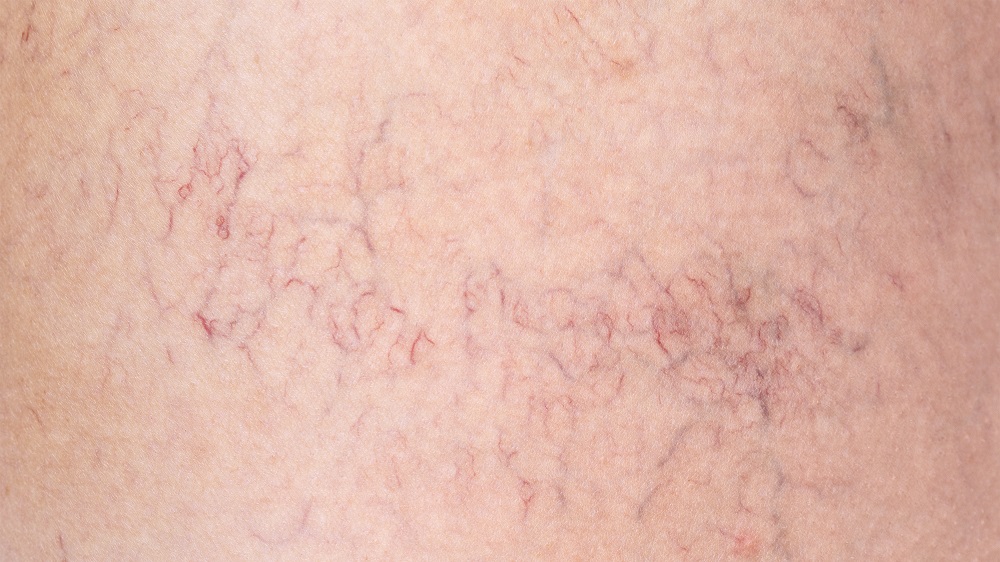
The phenomenon of skin aging is a familiar aspect of the aging process, engendering a wide array of research interest. Recent findings highlight the detrimental effects of aging on capillary-associated macrophages (CAMs), suggesting their depletion may be a root cause of skin vascular degeneration. This article delves into the implications of these discoveries on future anti-aging interventions and overall skin health.
Introduction
As one of the most visible manifestations of aging, skin deterioration, including thinning and the emergence of wrinkles, poses a significant concern for many individuals. Vascular health plays a critical role in maintaining skin integrity, and new research indicates that the loss of specific immune cells, particularly capillary macrophages, is interconnected with these deteriorative changes.
Understanding Capillary Macrophages and their Role
Capillary macrophages are immune cells residing near blood vessels, where they perform essential functions such as:
- Clearing debris: They engulf dead cells and harmful pathogens, maintaining tissue hygiene.
- Facilitating tissue repair: CAMs help to repair damaged tissue by promoting the regeneration of blood vessels.
- Regulating blood flow: Their presence is crucial for maintaining healthy blood circulation within the skin.
Sadly, with aging, the populations of these macrophages diminish, leading to restricted blood flow, which is linked to various complications in skin health.
Research Findings
Research conducted by the New York University School of Medicine utilized in vivo imaging to investigate the dynamics of macrophage presence and blood flow in aging mice. The study has revealed critical insights:
| Observation | Implication |
|---|---|
| Decline of CAMs with age | Leads to “macrophage-deficient” vascular niches resulting in impaired blood flow |
| Injury-induced CAM recruitment | CAMs were rapidly recruited to damaged sites, aiding in vascular repair |
| Use of CSF1-Fc growth factor | Enhanced CAM function and improved blood flow recovery post-injury |
Mechanisms of Aging and CAMs
The researchers observed that upper-dermal CAMs were lost quicker compared to other macrophage types, indicating a selective vulnerability in these immune cells. This decline interferes with capillary maintenance and repair capabilities, leading to decreased blood circulation and consequently contributing to visible aging signs in the skin.
The Therapeutic Potential of CSF1
The study progressed to explore whether increasing the levels of Colony-stimulating factor 1 (CSF1) could rejuvenate the macrophage population in aged tissues. Following a series of injections of a long-lasting variant of CSF1 (CSF1-Fc), researchers noted:
- Increased CAMs: The treatment significantly replenished the resident macrophage population without altering the existing balance of long-lived cells.
- Improved vascular repair: Higher macrophage presence resulted in enhanced ability to clear cellular debris and restore blood flow following vascular injury.
“Our research indicates that local intervention in macrophage dynamics might provide fresh strategies for preserving vascular integrity as tissues age.” – Kailin R. Mesa, Lead Researcher
Broader Impacts and Future Directions
While this research primarily focuses on skin aging, the implications extend to other organs like the brain, heart, and skeletal muscles, where similar macrophage dynamics may influence aging processes. Improving macrophage function and replenishing their populations may prove vital in maintaining microvascular health across various tissues.
Future studies should focus on:
- Investigating the application of macrophage-targeting therapies in age-related diseases.
- Exploring the cellular mechanisms underlying macrophage decline.
- Assessing the overall impact of macrophage rejuvenation on longevity and quality of life.
Literature References
1. Mesa, K. R., O’Connor, K. A., Ng, C., Salvatore, S. P., Dolynuk, A., Lomeli, M. R., & Littman, D. R. (2025). Niche-specific dermal macrophage loss promotes skin capillary ageing. Nature, 1-9.
2. Bentov, I., & Reed, M. J. (2015). The effect of aging on the cutaneous microvasculature. Microvascular Research, 100, 25-31.
3. Park, M. D., et al. (2025). Restoring resident tissue macrophages to combat aging and cancer. Nature Aging, 5(8), 1383-1392.
By shedding light on the crucial role of capillary macrophages in skin health, this research paves the way for innovative approaches to combat age-related degeneration, ultimately enhancing the prospects for healthier aging.









Discussion