

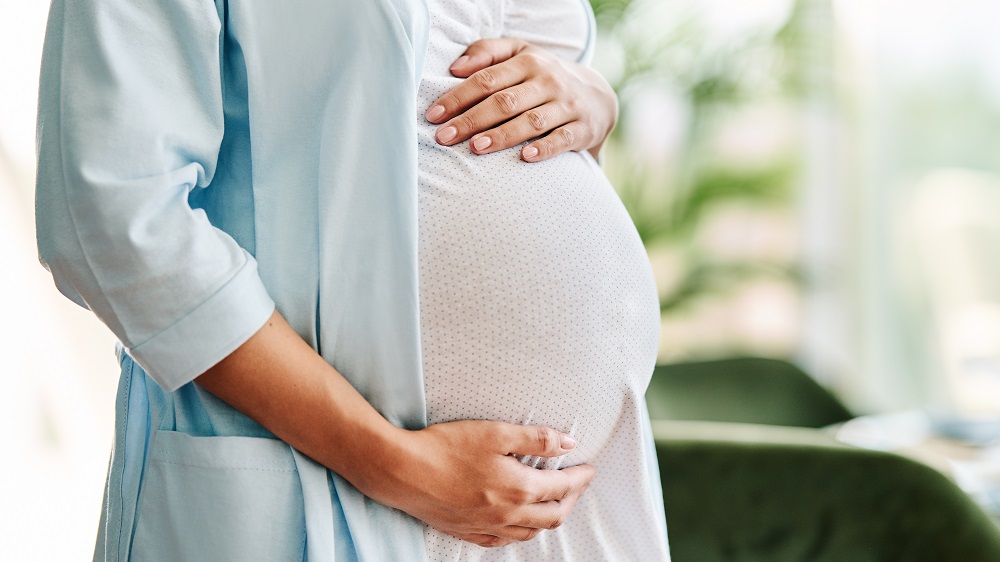
The intricate relationship between reproductive histories and aging is a subject of increasing interest among researchers. A recent study published on January 21, 2026, explored how the number and timing of pregnancies influence both aging and survival. According to findings derived from epigenetic clocks and analysis of extensive data sets, it is revealed that women who remain childless, as well as those who have a very high number of children, tend to experience accelerated aging compared to those who have two or three children. Furthermore, an earlier age at which women bear children is associated with an increased rate of aging.
To Maintain the Body or to Reproduce?
Dr. Mikaela Hukkanen, the doctoral researcher leading the study, stated, “From an evolutionary biology perspective, organisms have limited resources such as time and energy. When a large amount of energy is invested in reproduction, it is taken away from bodily maintenance and repair mechanisms, which could reduce lifespan.” This complex dynamic surrounding female reproduction has attracted scholarly attention for years, with earlier studies often isolating individual factors such as the number of children born.
This recent study acknowledges the multifaceted nature of childbearing. Some women prioritize motherhood at a young age, while others defer this significant life choice until later in life. Additionally, the study encompasses a breadth of reproductive experiences, from childlessness to those who choose to have numerous children.
The researchers analyzed data from nearly 15,000 women, born between the 1880s and the mid-20th century, who were part of the Finnish Twin Cohort. This extensive population-based study integrated information concerning socioeconomic backgrounds and lifestyle factors, allowing for comprehensive insights. Researchers employed advanced modeling techniques to classify women's reproductive histories into seven distinct trajectories, including one for those without children.
The Biggest Risks Are at the Extremes
The analysis revealed that after accounting for various living standards across different periods, clear distinctions emerged in survival rates across the reproductive trajectories. Women who experienced high fertility—averaging 6.8 live births—alongside those who were childless demonstrated the most significant increase in mortality risk. Notably, this pattern remained consistent across various analytical models.
Additionally, there was a slightly elevated risk of mortality among women who had only a few live births early in life (Classes 1 and 2) compared to those in Class 3, who served as a comparative reference. These associations were robust even after adjusting for well-known risk factors such as body mass index (BMI), tobacco use, alcohol consumption, and education level.
Epigenetic Profiling and Childbearing
The study also explored differentiated aging profiles through the use of epigenetic clocks. They utilized GrimAge, an advanced epigenetic clock known for its predictive power regarding lifespan and age-related conditions. The findings indicated that women in Class 1 showed the most accelerated aging when compared to those in Classes 3, 4, and 5, which included women who gave birth during their late 20s and early 30s.
After considering known risk factors, childless women appeared to age more rapidly by one year relative to Class 5. The starkest difference, however, was between Class 6 and Class 5, where Class 6 represented women with the highest number of children and the greatest rate of aging, thereby highlighting the potential biological impacts of reproductive history.
Table 1: Summary of Childbearing Classes and Aging Impact
| Class | Children Average | Age of First Birth | Epigenetic Aging Rate |
|---|---|---|---|
| Class 0 | 0 | N/A | Accelerated Aging |
| Class 1 | 1-2 | < 25 | Most Accelerated Aging |
| Class 3 | 2-3 | 27 | Reference Class |
| Class 6 | 6.8 | N/A | Highest Aging Rate |
U-Shaped Pattern in Reproductive Impact
The patterns observed in this study synthesized earlier findings that topical studies documented a U-shaped relationship between the number of children and health outcomes. The implications extend that while high childbearing numbers are expected to strain resources leading to higher mortality risks, the same assumptions do not straightforwardly apply to childless women.
Researchers propose that the higher mortality risk and accelerated aging found among childless women might be attributable to a lack of reproductive health benefits, such as the protective effects associated with pregnancy and lactation. Additionally, the absence of social support, often derived from having children, may further negative impact health and longevity.
Table 2: Mortality Risks by Childbearing Class
| Class | Risk Factor | Comments |
|---|---|---|
| Class 0 | High | Childless Women |
| Class 6 | High | Many Live Births |
| Classes 1 & 2 | Moderate | Few Early Births |
| Class 3 | Reference | Two to Three Children |
Notably, individuals who exhibited the slowest aging patterns reported having an average of 2-2.4 children, with their first child born approximately at the age of 27. However, the variation in aging outcomes across the different classes was relatively modest, indicating that reproductive patterns may exert a more subtle influence on aging and life expectancy than previously anticipated.
It's critical to highlight that the research conclusions are drawn from a specific demographic and may reflect cultural and socioeconomic contexts, alongside biological considerations. While the findings bolster the idea of managing resources between offspring and bodily upkeep, they emphasize correlational insights rather than direct causal connections. The study does not advocate for any individual reproductive choices based on these data, and women are advised to consider their personal circumstances rather than conform to generalized trends.
Literature Cited
- [1] Hukkanen, M., et al. (2026). Epigenetic aging and lifespan reflect reproductive history in the Finnish Twin Cohort. Nature Communications, 17(1), 44.
- [2] Long, E., & Zhang, J. (2023). Evidence for the role of selection for reproductively advantageous alleles in human aging. Science Advances, 9(49), eadh4990.
- [3] Wang, X., et al. (2013). Genetic links between post-reproductive lifespan and family size in Framingham. Evolution, Medicine, and Public Health, 2013(1), 241–253.
- [4] Grundy, E., & Tomassini, C. (2005). Fertility history and health in later life: a record linkage study in England and Wales. Social Science & Medicine, 61(1), 217–228.
- [5] Keenan, K., & Grundy, E. (2018). Fertility History and Physical and Mental Health Changes in European Older Adults. European Journal of Population, 35(3), 459–485.
In light of these findings, we invite those interested in supporting independent journalism and ongoing research in this crucial field to contribute. Our non-profit foundation relies on generous donations to continue providing accessible news and educational materials for all.
About the Author
Anna Drangowska-Way
Anna graduated from the University of Virginia, specializing in genetics using the C. elegans model organism. Her commitment to science communication has led her to work with numerous non-profit organizations while she was part of the Genetics Society of America's Early Career Scientist Leadership Program, focusing on communication and outreach.









Discussion