


Nursing homes represent one of the most vulnerable settings for influenza outbreaks, necessitating the development of effective prevention strategies to safeguard the health of older adults. A recent study conducted by researchers from Brown University's School of Public Health has provided critical insights into the administration of antiviral medications during such outbreaks, specifically focusing on the rapid deployment of chemoprophylaxis to mitigate hospitalizations due to influenza.
The Nature of Influenza Outbreaks in Nursing Homes
Influenza can spread rapidly within nursing homes, where older residents often share living spaces and medical staff circulate throughout the facility, caring for multiple patients. A single case of influenza can quickly escalate into a full-scale outbreak, threatening the health of a vulnerable population. Standard national guidelines suggest that eligible residents should receive antiviral medications as early as possible during an outbreak to minimize spread and prevent serious complications.
Key Findings from Recent Research
The study, published in the journal JAMA Internal Medicine, assessed how quickly nursing homes should act and how extensively they needed to treat residents with antivirals. Andrew Zullo, an associate professor at Brown University, emphasized that administering antiviral chemoprophylaxis, specifically oseltamivir (known by the brand name Tamiflu), within the first two days of an outbreak to at least 70% of residents can reduce hospitalization rates by 21%.
“The practical message here is that you're in a race against time to treat an outbreak and so facilities have to remember to pursue using prophylaxis.” – Andrew Zullo
Study Methodology
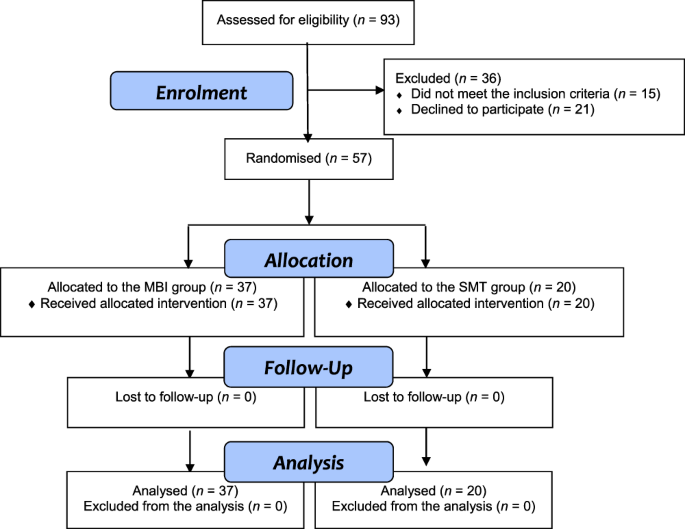
In conducting this research, the team evaluated 404 outbreaks across 318 nursing homes, involving approximately 30,000 residents. The nursing homes were assigned to two groups:
- An intensive strategy that initiated oseltamivir prophylaxis for at least 70% of eligible residents within two days of outbreak detection.
- A nonintensive strategy that failed to meet these thresholds.
| Strategy | Criteria | Outcome |
|---|---|---|
| Intensive | ≥ 70% of residents treated within 2 days | Reduced hospitalization rates by 21% |
| Nonintensive | < 70% of residents treated or delayed treatment | No significant reduction in hospitalizations |
Implications for Clinical Practice
The findings of this study have significant implications for nursing home policies regarding influenza outbreaks. While national guidelines suggest treating 100% of eligible residents, the researchers found that aiming for 70% was more realistic in light of residents’ individual treatment tolerances, existing contraindications, and preferences for comfort-focused care. Zullo noted that:
“Not every resident necessarily has to receive it for there to be a benefit. It's similar to vaccination in that you can limit viral transmission if enough people get oseltamivir.”
This nuanced understanding underscores the importance of responsiveness in outbreak management without the necessity for exhaustive treatment.
Statistical Approach and Future Directions
One of the strengths of this research lies in its advanced statistical methods, which factored in the variability of response times from nursing homes. Previous studies may have overlooked such dynamics, leading to biased interpretations of treatment efficacy. Zullo explained that:
“In this study, we used methods that account for the need to dynamically wait and see how a facility responds.”
Conclusion
The study concludes that a swift and extensive approach to antiviral chemoprophylaxis can significantly reduce hospitalization rates amidst influenza outbreaks in nursing homes. Timely interventions provide a preventative framework that can potentially save lives and reduce the strain on healthcare resources.
Further Reading
[1] Silva, J. B. B., et al. (2026). Prompt and Intensive Antiviral Chemoprophylaxis in Nursing Home Influenza Outbreaks. JAMA Internal Medicine.
For more information, access the full article at Science X.
This document is subject to copyright. Apart from fair use for study or research, reproduction without permission is prohibited.






Discussion