

A Mechanism Behind Protein Aggregation Discovered
Published by: September 5, 2025
Comments Off on A Mechanism Behind Protein Aggregation Discovered
Overview
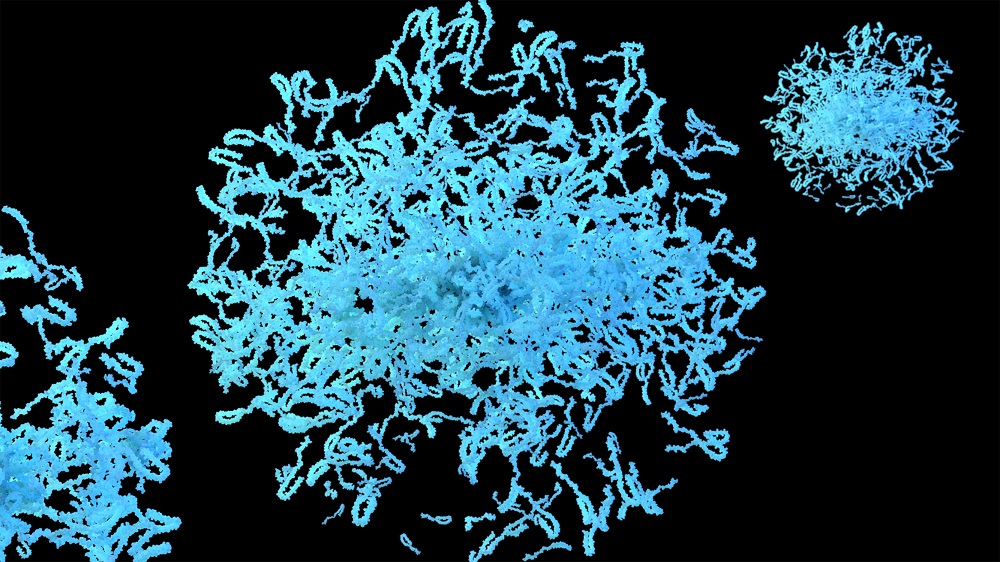
Recent scientific discoveries have brought to light a pivotal mechanism behind the accumulation of protein aggregates, a phenomenon implicated in various age-related neurodegenerative diseases. This discovery was made possible through the examination of C. elegans, a nematode commonly used in longevity research, and investigated the roles of specific proteins in facilitating protein aggregation.
Unity in Abnormal Protein Aggregation
Many neurodegenerative diseases, such as amyotrophic lateral sclerosis (ALS), Huntington’s disease, and Alzheimer’s disease, share a common thread: abnormal protein aggregation. These conditions involve distinct proteins, which raises questions concerning underlying mechanisms contributing to this aggregation. A notable decline in proteostasis, the balance of protein synthesis, folding, and degradation, is a key characteristic of aging that may contribute to these diseases [1].
The Research Study
In a groundbreaking study by the University of Cologne, published in Nature Aging, researchers uncovered how a specific protein signaling pathway facilitates protein aggregation.
- Upregulating a protein pathway in worms led to increased amyloid aggregates.
- Knocking down this pathway effectively prevented aggregation.
- Similar results were observed in human cell models.
Investigating the Signaling Pathway
The research focused on two proteins: EPS-8 and RAC. The recognition that EPS-8 levels increase with the aging process prompted its further investigation. When the researchers genetically engineered worms to express toxic human proteins (such as polyglutamine associated with Huntington’s and mutant proteins related to ALS), they employed RNA interference techniques to reduce the levels of EPS-8 and RAC, resulting in a remarkable reduction in protein aggregation.
Performance Improvement
The reduction of protein clumping translated into a functional benefit on the neuronal health of the worms, as demonstrated through their enhanced performance on behavioral tests, such as:
| Behavioral Test | Improvement Observed |
|---|---|
| Avoidance Response | Improved sensitivity and movement towards stimuli |
| Chemotaxis | Better movement toward chemical signals |
Mechanistic Insights
The research further elucidated two mechanisms mediated by the EPS-8/RAC pathway leading to protein aggregation:
- Excessive Actin Polymerization: This destabilizes the cell’s actin cytoskeleton, possibly causing actin aggregates to form, which act as nucleating points for other proteins.
- JNK Pathway Hyperactivation: The chronic upregulation of the JNK stress pathway during aging adversely affects the cell’s ability to maintain healthy proteostasis.
Understanding Age-Related Accumulation
Researchers discovered that a deubiquitinating enzyme (DUB), specifically USP-4, plays a crucial role in the accumulation of EPS-8 with age. As aging progresses, USP-4 levels increase, which prevents EPS-8 degradation and facilitates its accumulation. Importantly, inhibiting USP-4 in aging models significantly reduced protein aggregation and extended lifespan.
Human Implications
To confirm the relevance of these findings in human biology, the researchers replicated their experiments using human motor neurons derived from induced pluripotent stem cells (iPSCs) from an ALS patient. The outcomes mirrored those in worm models: downregulation of EPS-8 or USP-4 resulted in diminished aggregation of the key mutant proteins associated with ALS.
Concluding Remarks
Dr. Seda Koyuncu, the first author of the study, expressed enthusiasm for uncovering a molecular mechanism that connects aging to neurodegenerative diseases. “For years, we've understood age to be a major risk factor for various neurodegenerative diseases, but the details of how aging contributes remain complex and largely unresolved,” said Dr. Koyuncu. This research paves the way for potential therapeutic interventions targeting these molecular pathways.
Support for Independent Research
We are a non-profit foundation dedicated to free dissemination of research-related content. Your contributions support independent journalism and educational efforts, helping advance our understanding of aging and longevity. Every donation, whether small or large, has a significant impact on our mission.
Literature Cited
[1] Hommen, F., Bilican, S., & Vilchez, D. (2022). Protein clearance strategies for disease intervention. Journal of Neural Transmission, 129(2), 141-172.
[2] Koyuncu, S., Loureiro, R., Lee, H. J., Wagle, P., Krueger, M., & Vilchez, D. (2021). Rewiring of the ubiquitinated proteome determines aging in C. elegans. Nature, 596(7871), 285-290.









Discussion