

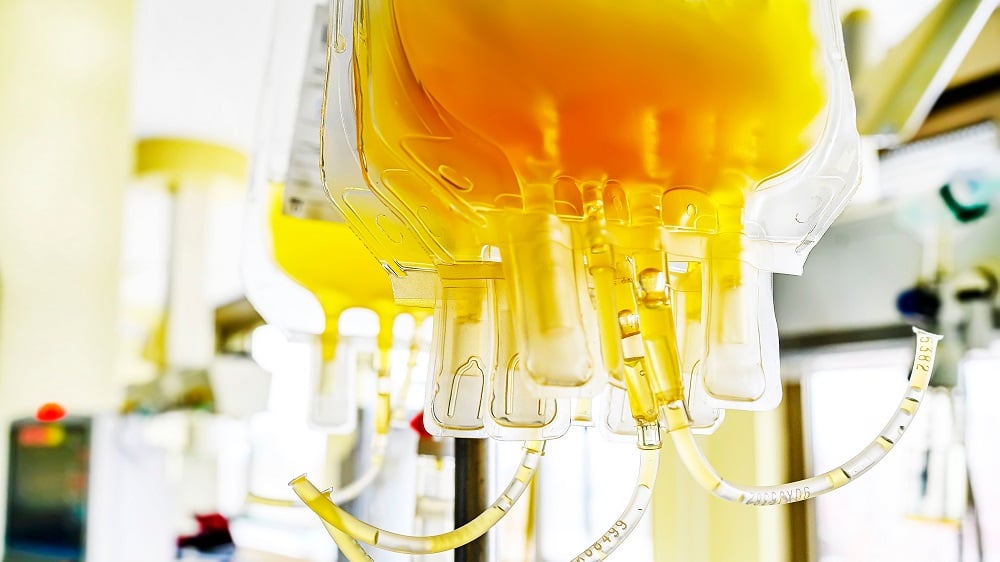
The exploration of how young plasma can affect aging in older individuals has recently gained traction within the scientific community. A clinical trial, published in Aging Cell, presented intriguing insights into the efficacy of therapeutic plasma exchange (TPE) combined with immunoglobulin in combating aging biomarkers. However, the results unveiled that these benefits may not be as enduring as previously anticipated.
Key Findings from the Study
The study involved a placebo-controlled design that aimed to investigate the impact of TPE, specifically its combination with immunoglobulin (IVIG), on biological aging markers. The following highlights emerged from the findings:
- Short-term Benefits: When coupled with immunoglobulin, TPE exhibited significant short-term benefits against aging biomarkers.
- Time-Related Damping: The pronounced benefits appeared to wane over time.
- Possible Immunoglobulin Superiority: The effects of immunoglobulin alone may have been more impactful than those provided by young plasma.
Methodology
The research involved a total of 44 participants aged in their 60s, divided into four groups:
- Weekly plasma exchange for six months.
- TPE twice a week for three months.
- TPE combined with IVIG twice a week for three months.
- Placebo group receiving sham treatments.
To assess the effects of these interventions, researchers utilized a diverse range of epigenetic clocks, totaling 36 different methodologies, including well-known clocks such as GrimAge and Horvath. This approach facilitated a thorough examination of the biological effects of the interventions on aging.
Examining the Results
Despite expected significant differences at baseline among participants in biological clocks, the results revealed a surprising complexity:
| Group | Intervention | Biological Age Reduction (Average, Years) | Time Point 2 | Time Point 3 |
|---|---|---|---|---|
| Group 1 | Weekly TPE | 1.32 | Yes | No |
| Group 2 | Biweekly TPE + IVIG | 2.61 | Yes | No |
| Group 3 | Placebo (Sham Treatments) | N/A | No | No |
Insights on Immunoglobulin's Effects
Further analysis revealed that participants receiving both TPE and IVIG experienced a significant improvement in immune system parameters, with the composition of T cells and natural killer (NK) cells aligning more closely with younger individuals. Notably, individuals in poorer health appeared to respond more robustly to treatment compared to their healthier counterparts.
“The results suggest that while TPE provides some benefits, combining it with immunoglobulin may enhance the efficacy of interventions targeted at delaying aging.” – Dr. Emily Zhang, Lead Researcher
Challenges and Limitations
The study identified several limitations that could potentially influence the interpretation of the results:
- Small Sample Size: With only 44 participants, the findings may not generalize effectively to broader populations.
- Baseline Variability: Significant disparities in biological clock metrics at baseline complicated statistical analyses.
- Absence of IVIG-only Control Group: This omission raises questions regarding the standalone efficacy of immunoglobulin compared to its synergistic effects with TPE.
Conclusion and Future Directions
While the study presents encouraging evidence of the potential for young plasma and immunoglobulin therapies to mitigate age-related biomarkers, it also underscores the necessity for further research. Future studies should aim to:
- Examine the long-term effects of TPE and immunoglobulin on aging biomarkers.
- Establish a dedicated IVIG-only group to isolate effects and enhance our understanding of its impacts.
- Investigate the physiological mechanisms behind variances in treatment response based on health status.
In conclusion, while the combative potential of young plasma against aging is promising, the complexities of biological aging necessitate continued inquiry into these treatments to bolster their efficacy and longevity.
References
[1] Kiprov, D. D. (2023). A Paradigm Shift in the Utilization of Therapeutic Plasmapheresis in Clinical Practice. Ann Clin Med Case Rep, 12(5), 1-7.









Discussion