

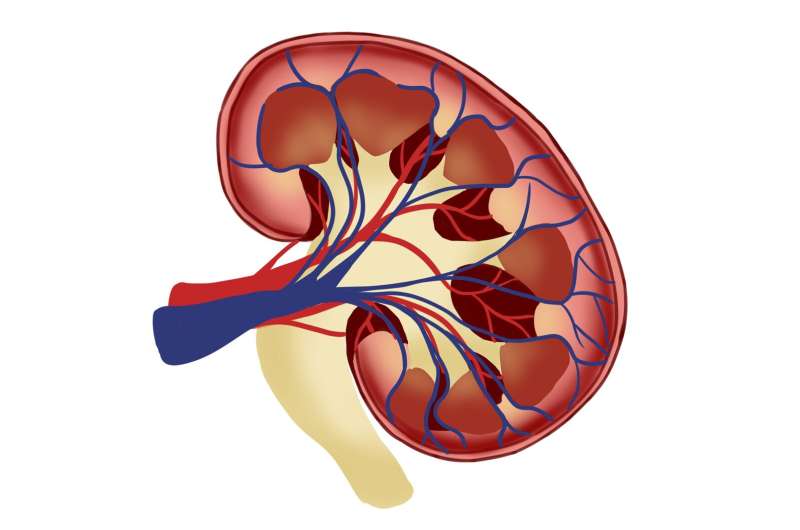
As the demand for organ transplants continues to rise, discussions around organ donation policies have intensified. A recent study published in PNAS Nexus by Pascal Güntürkün and colleagues investigates the effectiveness of opt-out organ donation policies, shedding light on potential unintended consequences of such systems.
The Importance of Organ Donation Policies
In the United States, approximately 17 individuals die each day while awaiting a suitable organ transplant, highlighting the urgent need for effective organ donation strategies. Opt-out organ donation policies, which automatically enroll individuals in organ donation programs unless they choose to decline, have been considered as a means to increase organ supply. However, recent research suggests that these policies may not deliver the expected benefits.
Research Findings
The authors analyzed epidemiological data from 24 countries over a span from 2000 to 2023 and conducted four experimental studies involving over 5,000 participants. They aimed to evaluate the impacts of transitioning from opt-in to opt-out organ donation systems on both deceased and living donor rates. The findings reveal a complex interplay between policy implementation and donor behavior.
| Variable | Impact of Opt-Out Policies | Rate Change (per million population) |
|---|---|---|
| Deceased Donors | Non-significant increase | +1.21 |
| Living Donors | Significant decrease | -4.59 (-29%) |
Understanding the Crowding-Out Effect
The study indicates a notable crowding-out effect concerning living donors, particularly altruistic donations made to friends or acquaintances. Contrary to expectations, individuals residing in countries employing opt-out systems tend to perceive the organ supply as adequate, which hampers their willingness to engage in living donations.
This perception primarily affects donations to non-family members, suggesting that social and psychological dynamics play a significant role in donor behavior. The comparison between Germany's opt-in system and Austria's opt-out system highlights these disparities.
Implications for Policy Makers
“Policymakers should consider potential crowding-out effects when implementing opt-out organ donation systems. The expectation that these policies will solve organ shortages may lead to a decline in living donations that counteracts potential benefits.” – Pascal Güntürkün
Conclusion
The findings from this research challenge the efficacy of opt-out organ donation policies in improving overall organ supply. While they may modestly increase deceased organ donations, the significant decline in living organ donations poses questions about their effectiveness as a policy solution for organ shortages.
Future Directions
Given the rising demand for organ transplants, future research should focus on:
- Identifying alternative frameworks that encourage both deceased and living donations without negatively impacting donor willingness.
- Expanding public awareness about the importance of living donations to counteract misconceptions regarding organ supply.
- Exploring cultural factors that influence perceptions and willingness to donate in various countries.
Only through a comprehensive understanding of donor psychology and the implications of public policies can effective strategies be developed to ensure a sustainable organ supply.
References
[1] Güntürkün, P., et al. (2025). Crowding-out effects of opt-out defaults: Evidence from organ donation policies. PNAS Nexus.
[2] Medical Xpress. Retrieved October 28, 2025, from https://medicalxpress.com/news/2025-10-opt-donation-policies.html.









Discussion