

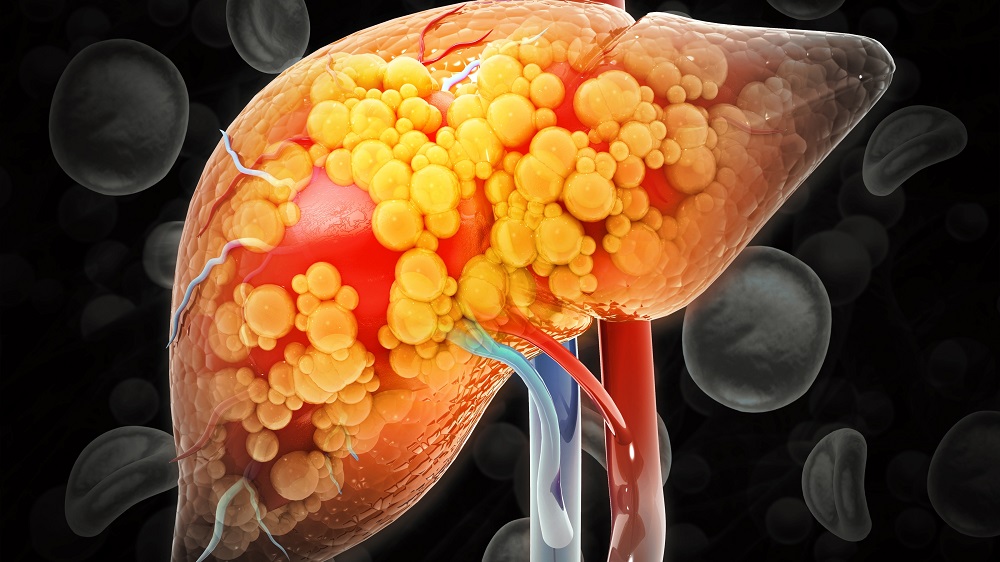
Recent research has unveiled how obesity acts as a catalyst for chronic inflammation, a condition that can precipitate a range of debilitating health issues including cardiovascular disease and metabolic disorders. Published on January 20, 2026, this insightful study sheds light on the intricate mechanisms through which obesity promotes inflammation.
Understanding Obesity and Inflammation
Obesity is closely linked to various acute and chronic conditions, largely due to the induction of chronic, sterile inflammation. This phenomenon has been attributed to the activation of the NLRP3 inflammasome, particularly within macrophages. The activation of this protein complex initiates a cascade leading to the production of pro-inflammatory cytokines such as IL-1β, disrupting insulin signaling and contributing to hepatic conditions like fatty liver, cirrhosis, and potentially cancer.
“It’s been known for a long time that obesity causes uncontrolled inflammation, but no one knew the mechanism behind it. Our study provides novel insights about why this inflammation occurs and how we might be able to stop it.” – Zhenyu Zhong, Ph.D.
The Role of Mitochondrial DNA
One critical pathway illuminated by the study involves the sensing of mitochondrial DNA (mtDNA). When mtDNA accumulates in the cytosol—especially in an oxidized form—it can trigger NLRP3 activation, thereby exacerbating inflammation. This association highlights the dual relationship between mitochondrial stress and inflammation.
Research Findings
The University of Texas Southwestern Medical Center conducted this pivotal study. Researchers compared peripheral blood mononuclear cells (PBMCs) from both lean and obese individuals, ultimately isolating monocytes that were differentiated into macrophages.
The results revealed notable differences:
- Macrophages derived from obese individuals exhibited NLRP3 inflammasome hyperactivation and elevated levels of mature IL-1β.
- Similar hyperactivation was observed in macrophages from mice subjected to a high-fat diet.
- Interestingly, levels of tumor necrosis factor (TNF) remained stable, suggesting that the NLRP3/IL-1β pathway specifically drives inflammation in obesity.
Mechanisms Behind Hyperactivation
The study identified that hyperactivation is correlated with increased levels of mtDNA in macrophages from obese subjects. This research emphasizes the role of SAMHD1, an enzyme that degrades excess deoxyribonucleoside triphosphates (dNTPs) to prevent overproduction of mtDNA. In obese individuals, SAMHD1 activity is inhibited, leading to higher dNTP concentrations.
| Observation | Finding in Obese Subjects |
|---|---|
| NLRP3 Activation | Hyperactivation with higher IL-1β levels |
| TNF Levels | No significant elevation |
| mtDNA levels | Increased due to impaired SAMHD1 function |
Consequences of Increased dNTP Influx
High levels of dNTPs are a significant factor, as they contribute to mtDNA overproduction in macrophages from obese subjects. This occurs primarily through cytosolic pathways, showcasing an evolutionary compromise where macrophages prioritize quick energy demands over metabolic balance. This shift fuels both energy and inflammatory pathways, leading to metabolic damage and chronic inflammation.
“Instead of relying mainly on the slower, more energy-costly salvage pathway, macrophages may start importing ready-made dNTPs from the cytosol as a quicker alternative.” – Zhenyu Zhong, Ph.D.
Linking Inflammation to Metabolic Disorders
In studies where SAMHD1 activity was disrupted, both mice and zebrafish demonstrated heightened IL-1β responses to NLRP3 triggers, illustrating the significance of this pathway in advancing obesity-related metabolic dysfunctions, such as insulin resistance and glucose intolerance.
Final Thoughts
This groundbreaking research illustrates the complex interplay between obesity, mitochondrial health, and inflammation. It opens new avenues for therapeutic strategies aimed at modulating these pathways to mitigate chronic inflammation and associated metabolic disorders.
References
[1] Liu, D., et al. (2026). Nucleotide metabolic rewiring enables NLRP3 inflammasome hyperactivation in obesity. Science, 391(6782), eadq9006.
[2] Powell-Wiley, T. M., et al. (2021). Obesity and cardiovascular disease: a scientific statement from the American Heart Association. Circulation, 143(21), e984-e1010.
[3] Rohm, T. V., et al. (2022). Inflammation in obesity, diabetes, and related disorders. Immunity, 55(1), 31-55.
About the Author
Arkadi Mazin is a seasoned journalist with an extensive background in politics, science, and philosophy. He advocates for the importance of longevity and life extension, believing it should be a priority on the global agenda.









Discussion