

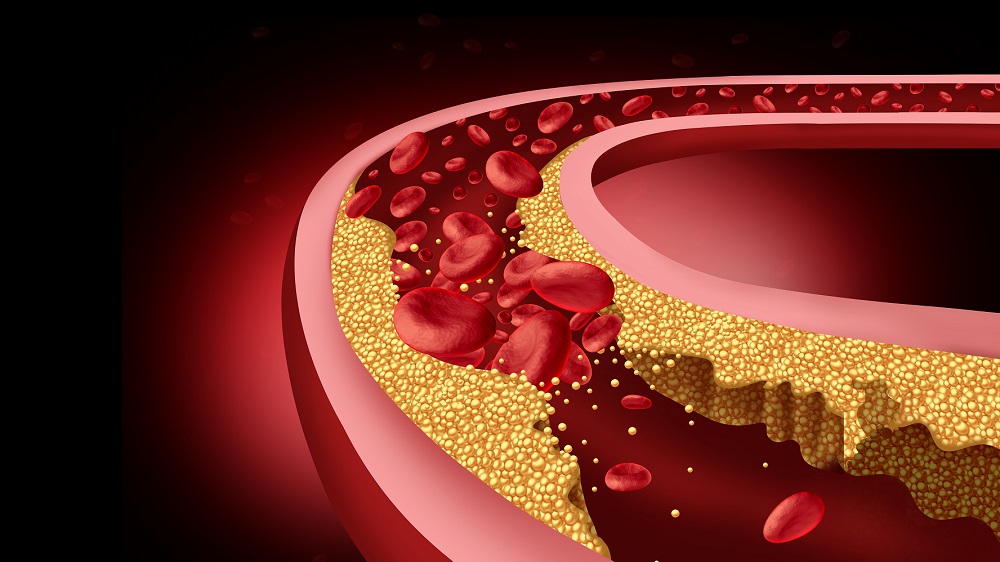
Recent research published by Cyclarity Therapeutics has introduced a novel therapeutic candidate for the treatment of atherosclerosis, a leading cause of cardiovascular mortality worldwide. The drug, named UDP-003, has successfully progressed to its first human clinical trial, indicating significant advancements in the fight against this debilitating disease.
Fighting the Root Cause
Current treatments for atherosclerosis primarily focus on alleviating symptoms rather than addressing the disease's underlying mechanisms. The innovative approach taken by Cyclarity Therapeutics aims to target the root cause of the disease by removing oxidized cholesterol that accumulates in macrophages, leading to foam cell formation. Dr. Prerna Bhargava, the lead author of the study, states, “UDP-003 aims to address a root cause of plaque formation by removing the oxidized cholesterol that accumulates in macrophages. This buildup transforms macrophages into foam cells. By selectively removing oxidized cholesterol, UDP-003 reverses the foam cell formation and restores the diseased macrophages into healthy cells.”
A Pathophysiological Overview
Atherosclerotic plaques are primarily composed of oxidized low-density lipoproteins (LDL), particularly the highly toxic and inflammatory 7-ketocholesterol (7KC). The accumulation of these toxic compounds instigates a pro-inflammatory response, leading to macrophage activation and subsequent foam cell formation. This transformation contributes significantly to plaque development within arterial walls, exacerbating cardiovascular risks.
Mechanism of Action: Targeting 7KC
UDP-003 is a member of the cyclodextrin family, designed to target and encapsulate hydrophobic molecules like 7KC. The drug's specificity for 7KC is remarkable, showcasing a binding affinity approximately 1000-fold greater than that for cholesterol.
Experimental Modalities
The researchers employed two distinct treatment strategies:
- Preventative Modality: Both 7KC and UDP-003 were introduced simultaneously to macrophages for 48 hours, effectively minimizing cholesterol damage.
- Additive Modality: After a 24-hour incubation with 7KC, UDP-003 was administered, reflecting a more clinically relevant treatment timeline.
Empirical Findings
The effectiveness of UDP-003 was evaluated based on lipid droplet accumulation, cellular functions, and inflammatory responses. Key findings include:
| Experiment | Results | Comparison with 7KC Only |
|---|---|---|
| Preventative Modality | 20% reduction in lipid droplet markers | Higher lipid accumulation in macrophages |
| Additive Modality | 30% reduction in lipid droplet markers | Reversed lipid accumulation |
The research also demonstrated an improvement in macrophage functions, such as phagocytosis and efferocytosis, both essential processes in immune responses. UDP-003 treatment resulted in a 15-20% increase in phagocytic activity compared to controls, restoring essential functions impaired by 7KC.
Inflammatory Response Modulation
The impact of 7KC on gene expression related to inflammation in foam cells showed a significant increase in inflammatory markers, specifically Nf-κB. Treatment with UDP-003 notably decreased these inflammatory responses, showcasing its potential role in mitigating vascular inflammation.
Cholesterol Efflux Restoration
UDP-003 demonstrated promising results in cholesterol efflux assays, reversing the decrease in efflux induced by 7KC exposure. This enhancement suggests potential atheroprotective properties of UDP-003.
Translatability to Human Context
Although cultured macrophage experiments provide preliminary insights, the real-world efficacy of UDP-003 was further evaluated in human arterial tissues containing atherosclerotic plaques. The results indicated a high potential for removing 7KC from these plaques, further substantiating UDP-003's clinical relevance.
Animal Model Limitations
Despite promising in vitro results, the application of UDP-003 in animal models yielded mixed outcomes. Overall trends indicated lower 7KC levels in plasma; however, statistical significance was not consistently achieved. Dr. Bhargava highlights the limitations of current animal models, stating, “There are currently no animal models that fully replicate human atherosclerosis. Most models primarily evaluate hypercholesterolemia rather than the complex pathology of plaque development.”
Future Directions for Clinical Trials
With UDP-003 now poised for human clinical trials, expectations for full approval could materialize by 2030, as outlined by Dr. Matthew O’Connor, CEO of Scientific Affairs at Cyclarity Therapeutics. The research team is committed to expediting development processes to bring this therapy to market swiftly.
Broader Implications
Beyond atherosclerosis, the implications of UDP-003 extend into broader medical conversations regarding diseases associated with oxidized cholesterol. Dr. Bhargava asserts that this drug's properties position it to tackle conditions such as Alzheimer’s disease, Niemann Pick disease, and non-alcoholic fatty liver disease. “Our research has demonstrated that UDP-003 removes oxidized cholesterol from dysfunctional macrophages, restoring their cellular function,” she concluded.
In conclusion, the advent of UDP-003 represents a paradigm shift in atherosclerosis treatment, emphasizing aetiology over symptom management. This innovative drug positions itself as a potential game-changer, with the ability not only to halt disease progression but also to actively restore cellular health.
Literature Cited
[1] Bhargava, P., et al. (2023). Selective Removal of 7KC by a Novel Atherosclerosis Therapeutic Candidate Reverts Foam Cells to a Macrophage-like Phenotype. bioRxiv.
This research has profound implications for the future of cardiovascular treatments, realigning focus towards comprehensive cellular health interventions.









Discussion