

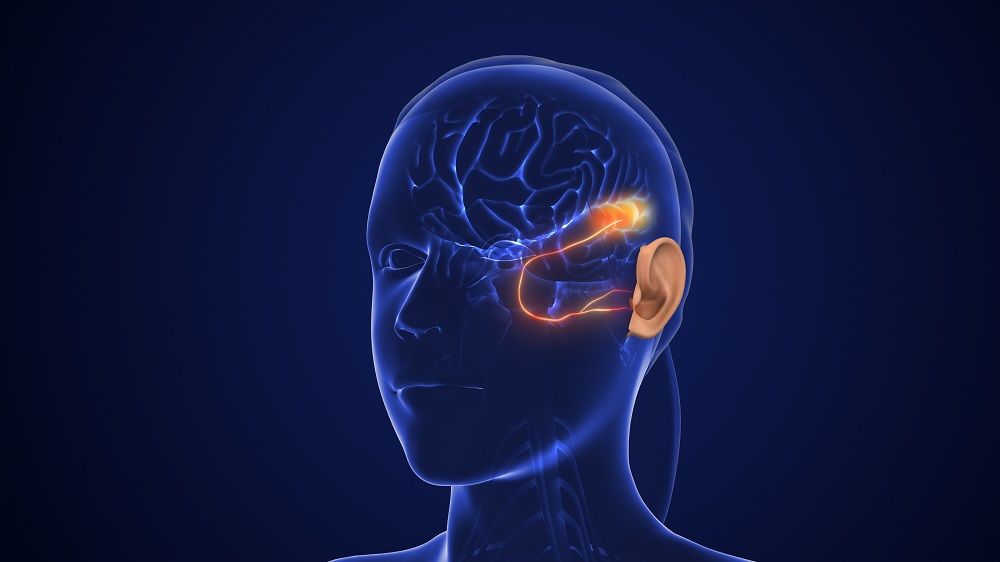
Research has recently unveiled a potential innovative target for addressing hearing loss, particularly linked to myelin disorders, as evidenced in a study published in Aging Cell on December 23, 2025. The focus of the research is the protein BSL2, which increases with age and contributes to neural demyelination, leading to hearing impairment in mice.
Understanding Neural Myelination
Neural myelination plays a crucial role in ensuring that neurons function effectively. Myelin, the protective sheath around neurons, is essential for transmitting signals swiftly and efficiently. Demyelination—the loss of such sheaths—has been implicated in severe neurological disorders such as amyotrophic lateral sclerosis (ALS) and multiple sclerosis (MS). The health of Schwann cells (SCs), responsible for maintaining this myelination, is vital. Impairments in SC function can lead to sensory and motor deficits, constituting a significant area of research in neurobiology.
Research Findings on BSL2 and Hearing Loss
As part of their investigation, researchers conducted a thorough analysis of spiral ganglion neurons (SGNs) in mice ranging from 3 to 18 months old. The results were revealing:
| Age (Months) | Myelination Level | Hearing Threshold |
|---|---|---|
| 3 | Normal | Normal |
| 6 | Decreased | Normal |
| 12 | Significantly Decreased | Increased Threshold |
| 18 | Practically Absent | Severely Impaired |
The findings suggest a strong correlation between increased BST2 expression in Schwann cells and the degree of hearing loss. As the mice aged, not only did they experience reduced myelination, but they also exhibited diminished hearing capabilities.
The Role of Inflammation and POU6F1
Further investigations revealed that elevated BST2 levels are also associated with increased inflammatory responses, particularly via the NF-κB pathway. This pathway's activation leads to a decrease in the important factor POU6F1, which is crucial for Schwann cell activity, including healing and myelination:
| Factor | Effect of Downregulation | Effect of Overexpression |
|---|---|---|
| POU6F1 | Impaired hearing | Improved hearing |
| BST2 | Increased senescence | Restored myelination |
In their experiments, researchers noted that targeting BST2 led to restoration of myelin and improved auditory functions in treated mice, although the effects did not fully revert to the levels observed in younger control groups.
Future Directions and Research Implications
While the potential for therapeutic interventions targeting the BST2/POU6F1 axis looks promising, the authors of the study recognize the need for extensive validation through further research involving additional animal models and eventual human tissues. The translational potential of these findings could lead to groundbreaking therapies aimed at restoring hearing function and addressing age-related neurological decline.
The full implications of this research are still unfolding, and it highlights the necessity of continued strides in understanding the molecular underpinnings of neurological disorders.
Literature Cited
[1] Alhamdi, A. A., et al. (2025). Pharmacologically targeting Schwann cells to improve regeneration following nerve damage. Frontiers in Cell and Developmental Biology, 13, 1603752.
[2] Gambarotto, L., et al. (2025). Schwann Cell‐Specific Ablation of Beclin 1 Impairs Myelination and Leads to Motor and Sensory Neuropathy in Mice. Advanced Science, 12(5), 2308965.
[3] Manouchehri, N., et al. (2021). CD11c+ CD88+ CD317+ myeloid cells are critical mediators of persistent CNS autoimmunity. Proceedings of the National Academy of Sciences, 118(14), e2014492118.
[4] McClard, C. K., et al. (2018). POU6f1 mediates neuropeptide-dependent plasticity in the adult brain. Journal of Neuroscience, 38(6), 1443-1461.









Discussion