

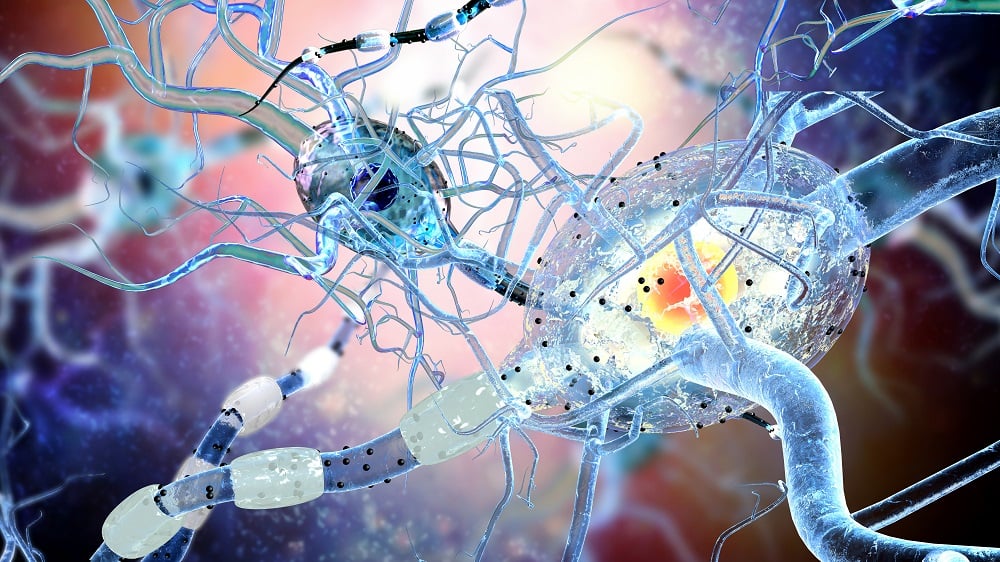
A recent study published in Aging Cell has shed light on the complex mechanisms governing the aging of neural stem cells (NSCs). Researchers utilized single-cell transcriptomics to explore the intricacies of NSC differentiation, neurogenesis, and the aging process, revealing critical insights into how these vital cells function and deteriorate over time.
The Role of Neural Stem Cells
Neural stem cells are essential for neurogenesis—the process of generating new neurons—and their differentiation into astrocytes, which are vital for supporting and nourishing neurons. Understanding the underlying mechanisms of NSC aging is paramount as it can provide insights into age-related cognitive decline.
Neurogenesis in Adults
Contrary to past beliefs, adult brains do generate new neurons, especially in the hippocampus, which is crucial for memory formation. However, this neurogenesis is confined to specific niches and is dependent on the presence of NSCs. The capacity to produce neurons and maintain cognitive function diminishes with age.
Understanding Neural Stem Cell Differentiation
Neural stem cells exhibit significant heterogeneity, originating from various lineages. This diversity leads to differences in function and responsiveness. NSCs predominantly exist in a quiescent state, which serves to protect them from genetic damage due to replication and ensures their long-term survival. However, this quiescence complicates the analysis and identification of NSCs.
Traditional identification methods are ineffective due to overlapping markers, such as the transcription factor Sox2, which is present in both NSCs and astrocytes. New techniques, including the use of single-cell transcriptomics, allow for a more accurate understanding of NSC populations.
Research Methodology
The researchers conducted a meta-analysis of seven different RNA sequencing datasets to identify shared characteristics among NSCs, neuroprogenitors (NPs), and other cell types. Despite variations in animal models and tissue processing methods, the aim was to distinguish between the various cell types accurately.
| Cell Type | Characteristics | Distinguishing Factors |
|---|---|---|
| Neural Stem Cells (NSCs) | Self-renewing, quiescent state, ability to differentiate | Sox2 expression, lack of proliferation markers |
| Neural Progenitors (NPs) | Intermediate cells, actively dividing | Distinct gene expression patterns during activation |
| Astrocytes | Support neurons, maintain environment | GFAP expression, limited differentiation potential |
Aging and Neurogenesis Decline
Notably, the deterioration of NSCs and their capacity for neurogenesis is significantly linked to aging. Research indicates that this decline can start as early as four and a half months of age in certain mouse models, correlating with increased inflammation and epigenetic alterations.
Cellular Senescence in NSCs
As NSCs reach senescence, they exhibit increased expression of markers such as p16, p21, and p53. These changes coincide with the emergence of a senescence-associated secretory phenotype (SASP), contributing to inflammation and reducing neurogenesis.
| Senescence Marker | Function | Link to Aging |
|---|---|---|
| p16 | Cell cycle inhibitor | Indicates loss of proliferative capacity in NSCs |
| p21 | Regulates cellular senescence | Associated with aging-related cognitive decline |
| SA-β-gal | Senescence marker | Increased levels in aged NSCs |
Implications for Future Research
Given the profound effects of NSC aging on brain function, the implications of this research are significant. The identification of NSC aging markers may lead to potential targets for interventions aimed at promoting neurogenesis and combating cognitive decline.
“The aging process of neural stem cells is intricate and nuanced; further research could unlock new therapies that enhance cognitive resilience in aging individuals.” – Dr. Emily Johnson, Lead Researcher
Future Directions
Researchers advocate for a comprehensive analysis of NSC subtypes and their role in neurogenesis during aging. The findings suggest the need for:
- Advanced computational models to analyze signaling pathways in NSCs.
- Innovative approaches to target quiescent NSCs for activation.
- Exploration of the NSC niche and its relation to neuroinflammation and aging.
In conclusion, while this study elucidates critical elements of NSC aging, further investigation is required to develop strategies that target these cells effectively. Addressing these factors could pave the way for therapies that enhance cognitive function in the elderly population.
References
[1] Taupin, P., & Gage, F. H. (2002). Adult neurogenesis and neural stem cells of the central nervous system in mammals. Journal of Neuroscience Research, 69(6), 745-749.
[2] Surget, A., & Belzung, C. (2022). Adult hippocampal neurogenesis shapes adaptation and improves stress response: a mechanistic and integrative perspective. Molecular Psychiatry, 27(1), 403-421.
[3] Llorente, V., Velarde, P., Desco, M., & Gómez-Gaviro, M. V. (2022). Current understanding of the neural stem cell niches. Cells, 11(19), 3002.
[4] Others available upon request.









Discussion