

Advancements in Nanoparticle Therapy for Venous Malformations: A New Era in Treatment
Introduction
Venous malformations (VMs) are irregular clusters of veins that arise due to abnormal development during vascular formation. These conditions are often congenital and can grow larger as the child matures, leading to cosmetic concerns and functional impairment. Traditional treatments like surgical interventions and sclerotherapy are often inadequate or fraught with complications. Emerging research into nanoparticle-based therapies offers a promising avenue for effective treatment.
Research Overview
Recent studies have demonstrated that drug-carrying nanoparticles can significantly reduce the size of venous malformations in mouse models. A study conducted by Tang et al. focused on a combination of rapamycin and ponatinib delivered through engineered nanoparticles. The results showed a staggering decrease of 70% in malformation size after a single injection, highlighting the potential of targeted therapies in managing this condition.
Mechanisms of Action
Nanoparticles are designed to passively accumulate in areas of abnormal vascular architecture, leveraging the Enhanced Permeability and Retention (EPR) effect. In the context of venous malformations, this means that the nanoparticles preferentially localize in the affected tissues, allowing for localized drug delivery while minimizing systemic side effects.
Polymeric Drug Delivery
| Component | Function |
|---|---|
| Rapamycin | An mTOR inhibitor that reduces abnormal growth in vascular cells. |
| Ponatinib | A c-ABL inhibitor that further enhances therapeutic efficacy against resistant vascular anomalies. |
| Polymeric nanoparticles | Designed for sustained and targeted drug delivery. |
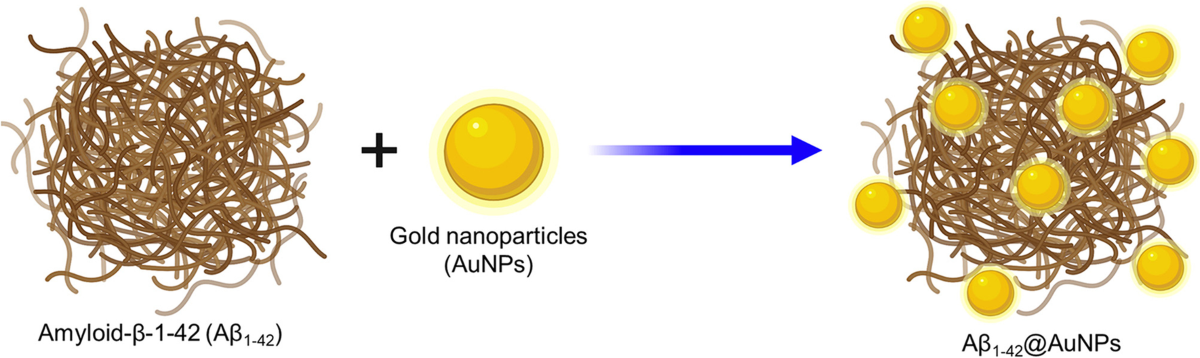
In a separate study by Kohane et al., gold nanoparticles were employed in conjunction with photothermal therapy. The nanoparticles were injected into the models and then activated using near-infrared (NIR) light, leading to the generation of heat that can shrink or even eliminate the abnormalities.
Study Findings
- The combination therapy resulted in up to 70% regression of venous malformations.
- Nanoparticles delivered enhanced local drug concentration without significant systemic toxicity.
- Photothermal effects from activated nanoparticles were able to effectively target and destroy malformations.
Methodology
The studies involved the use of genetically engineered mice with human-like vascular structures. Various formulations of nanoparticles were tested for their efficiency in drug encapsulation and targeted delivery. The nanoparticles' biodistribution was meticulously tracked using imaging techniques that allowed researchers to visualize how well these particles localized to the venous malformations.
Limitations
While the results are promising, several limitations persist. The preclinical nature of current studies means that human clinical trials are still required to validate these findings. Additionally, the long-term effects of using nanoparticles remain to be fully understood, including potential inflammatory or immunogenic reactions.
Conclusion
The innovative use of nanoparticles to treat venous malformations appears to offer new hope for effective management of these typically challenging conditions. The synergistic effects of combining drugs within a nanoparticle platform pave the way for more effective treatment protocols, reducing the reliance on traditional surgical interventions.
References
Additional academic sources:
- Nanoparticle drug combo treats venous malformations - Tang designed the bundled rapamycin, made nanoparticles, and also tucked in the drug ponatinib.
- Polymeric rapamycin nanoparticles encapsulating ponatinib cause regression of venous malformations in mice - A study that outlines the effectiveness of nanoparticles in treating venous malformations.
- Gold particles and light could melt venous malformations away - A detailed look at photothermal therapy using gold nanoparticles for treatment.
- Treating venous malformations with nanomedicines - Discusses the use of engineered nanoparticles in venous malformation treatments.




Discussion