


The utilization of nanoparticles in drug delivery systems has emerged as a groundbreaking approach in modern medicine. Their unique properties allow targeted delivery, reducing side effects and increasing the efficacy of treatments. However, once nanoparticles enter the bloodstream, they interact with biological elements, particularly plasma proteins, leading to the formation of a protein corona which influences their behavior and fate within the body.
The Formation of the Protein Corona
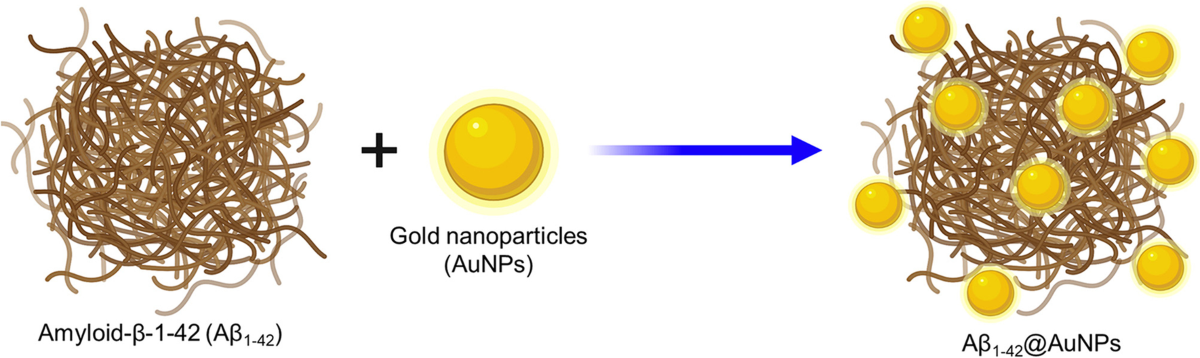
Upon entering the bloodstream, nanoparticles come into contact with various blood components, most notably plasma proteins. This interaction results in the formation of a protein corona—a dynamic layer of proteins adsorbed onto the nanoparticle's surface. The protein corona plays a crucial role in determining the nanoparticles’ biodistribution, cellular uptake, and interaction with the immune system. The formation begins almost immediately, within seconds of entering the circulatory system, and can affect their therapeutic efficacy.
Impact on Drug Delivery Efficiency
The nature of the protein corona can enhance or inhibit the effectiveness of drug delivery. For instance, a favorable corona can improve circulation time and targeting ability, while a detrimental one can impede cellular interactions by masking ligands on the nanoparticle surface that are necessary for binding to target cells. Studies have shown that modifying the surface properties of nanoparticles can tailor the protein corona to achieve desired outcomes.
Key Findings from Recent Research
| Study | Findings | Key Statistics |
|---|---|---|
| González De La Cruz et al. (2017) | Analyzed the interaction of various nanoparticles with blood components and advocated for the design of more hemocompatible materials. | 3,236 chapter downloads |
| Tenzer et al. (2013) | Demonstrated that protein corona formation occurs within 30 seconds of nanoparticle exposure to human plasma. | Identified 166 different protein coronas within the first minute. |
| Peng et al. (2013) | Showed that preformed albumin corona can protect nanoparticles and extend circulation time. | Indicated enhanced blood circulation time compared to uncoated nanoparticles. |
Limitations and Future Directions
Despite the advantages of nanoparticles in drug delivery, several limitations exist. The protein corona can inhibit targeted drug delivery by occluding surface receptors, leading to reduced therapeutic effectiveness. Future studies should focus on understanding the mechanisms of protein corona formation to design nanoparticles with optimized surface properties for enhanced biocompatibility and targeted delivery.
Conclusion
Nanoparticles hold immense potential in revolutionizing drug delivery systems. However, understanding their interaction with biological systems, particularly the formation of the protein corona, is essential in enhancing their efficacy and safety in medical applications. Further research into tailored nanoparticle design could overcome current limitations and improve treatment outcomes.
References
- González De La Cruz, et al. (2017). "Interactions of nanoparticles with blood components." Biomaterials.
- Tenzer, et al. (2013). "Rapid formation of protein corona on nanoparticles." Nano Letters.
- Peng, et al. (2013). "Albumin corona enhances nanoparticle circulation." Nanoscale.





Discussion