

How Multivitamins and Minerals Impact Health and Longevity
There is a need for personalized approaches.
by Anna Drangowska-Way
December 24, 2025
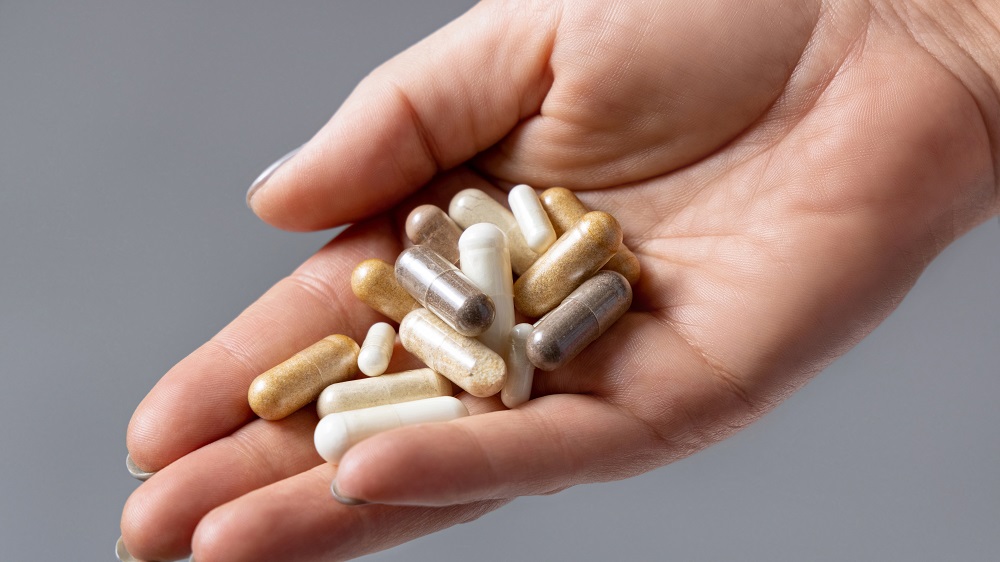
Multivitamin and mineral (MVM) supplements are widely utilized across the globe. In the United States, approximately 40% of adults report regular consumption of MVMs [2]. The objective of MVMs is to provide an array of essential nutrients that may enhance health outcomes, although the available scientific literature indicates significant variability in the effects of these supplements on longevity and overall health.
A Big Market
Despite robust data showcasing the beneficial impacts of specific vitamins and micronutrients, the effects of MVMs on longevity remain inadequately assessed. A recent review encompassing over 5.5 million participants attempted to consolidate findings from numerous studies to evaluate the implications of MVMs on health [1].
Impacting Disease Risk
The researchers analyzed the effect of MVM supplements on various diseases, with the following key findings:
| Disease | Findings |
|---|---|
| Colorectal Cancer | 8% lower incidence among MVM users. |
| Breast Cancer | No significant association found. |
| Cardiovascular Disease | Lower risk of coronary heart disease incidence; no significant effect on mortality. |
| Cognitive Health | Positive effects on cognition and a lower risk of hip fractures. |
Particular attention was given to cardiovascular health where multiple randomized controlled trials (RCTs) indicated that while MVM intake may lower blood pressure among individuals with existing hypertension, it shows negligible effects in normotensive individuals. Similarly, analysis of infections revealed:
- No significant effect in healthy individuals aged 65 and older.
- Among younger populations, MVMs were linked to fewer infections.
- In older, undernourished adults, MVMs decreased infection rates.
Psychological Health Benefits
Research also suggests that MVM supplementation can lead to improved psychological well-being. Specifically, it has been effective in:
- Reducing stress and anxiety levels.
- Alleviating mild psychiatric symptoms and fatigue.
Pregnancy Outcomes
Pregnancy-related studies are notably limited. However, current results show:
| Outcome | Findings |
|---|---|
| Gestational Hypertension | No association found with MVM containing folic acid. |
| Neural Tube Defects | Associations with reduced risk based on observational data. |
| Pediatric Cancer | Prevention indicated for leukemia and brain tumors. |
The Need for a Standardized Definition
The overall consensus points towards the utility of MVM supplementation in select contexts. The specific variables influencing the efficacy of these supplements include:
- Age
- Health status
- Dietary intake
- Demographic factors such as sex
The authors stress that understanding nutritional deficiencies is crucial since these can contribute to accelerated aging [3]. Moreover, the "healthy user effect" could lead to biased sampling in observational studies, as they typically draw from health-conscious individuals.
“The value of MVM supplementation in optimizing the health and healthspan of relatively healthy individuals remains uncertain.”
Conclusion and Future Directions
In summary, MVM supplementation shows promise in specific populations and for particular health conditions. The evidence underscores the necessity for personalized approaches that consider individual needs and deficiencies. Future research should aim for:
- Establishing standardized definitions and guidelines for MVM supplementation.
- Stratifying participants based on relevant health markers and dietary quality.
- Investigating the long-term impacts of supplementation in various populations, including underrepresented groups.
Such endeavors will significantly enhance our understanding of MVMs and could potentially improve health outcomes in diverse populations.
Literature
[1] Lou, C., et al. (2025). Association of female reproductive traits with altered aging trajectories: Insights from genetic and observational analyses. Cell Reports Medicine, 6(12), 102481.
[2] Knippen, K. L., et al. (2020). Outcome expectancies, health information seeking, and cancer beliefs associated with multivitamin/mineral use in a national sample. Journal of the Academy of Nutrition and Dietetics, 120(8), 1368–1376.
[3] Mahadzir, M. D. A., et al. (2025). Towards defining optimal concentrations of micronutrients in adults to optimize health. Mechanisms of Ageing and Development, 225, 112062.
[4] Rautiainen, S., et al. (2017). Effect of Baseline Nutritional Status on Long-term Multivitamin Use and Cardiovascular Disease Risk: A Secondary Analysis of the Physicians’ Health Study II Randomized Clinical Trial. JAMA Cardiology, 2(6), 617–625.









Discussion