

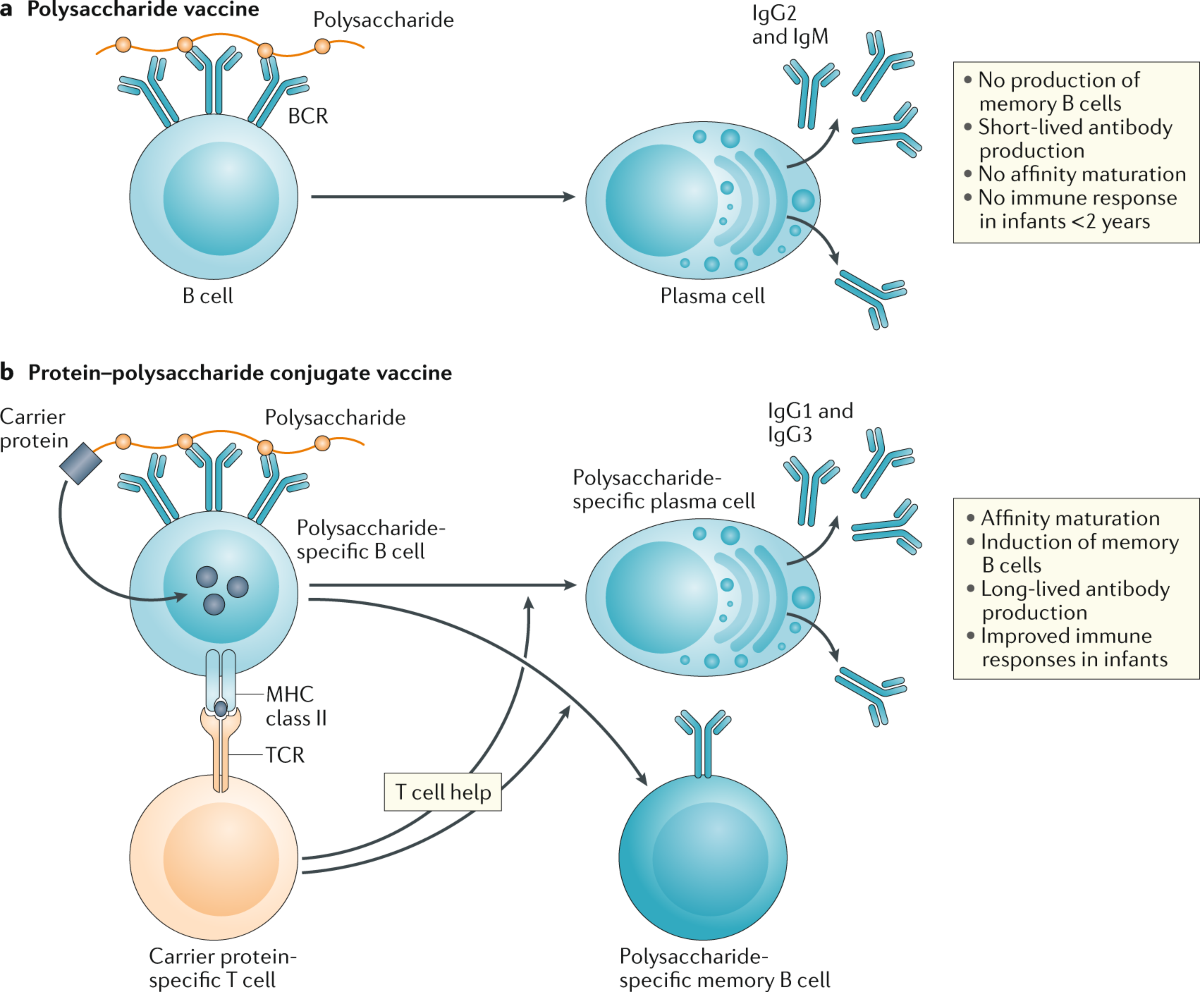
In the quest for effective vaccination strategies against formidable pathogens like HIV, the fine-tuning of molecular structures in vaccines has emerged as a critical area of research. Understanding the precise molecular architecture of vaccines plays a significant role in enhancing immune responses, ensuring long-lasting protection for individuals.
The Role of Molecular Structures in Vaccine Efficacy
Vaccines are designed to present antigens that trigger an immune response. The specific molecular composition and structural characteristics of these antigens are pivotal in determining the efficacy of the vaccine. For instance, advancements in mRNA vaccines highlight the importance of optimizing sequences and integrating adjuvants. Research has shown that the enhancements in these areas can lead not only to stronger immune responses but also to improved durability of those responses over time.
1. Enhancing Immune Response Using mRNA Vaccines
Recent studies indicate that mRNA vaccines, such as the candidate eOD-GT8 60mer, are capable of inducing potent CD4 T-cell responses. This particular vaccine is engineered to promote broadly neutralizing antibodies (bnAbs), which are critical components in the defense against HIV.
A notable study published in npj Vaccines demonstrated that utilizing engineered proteins based on the HIV gp120 structure in conjunction with nanoparticle frameworks significantly enhances T-cell activation, an essential element for robust humoral and cellular immunity.
2. The Importance of Antigen Valency and Adjuvants
Vaccine design that incorporates repetitive, multimeric antigen displays has shown to induce stronger and more sustained immune responses as opposed to traditional monomeric proteins. Higher antigen valency stimulates expansive germinal center responses, which in turn leads to the generation of long-lived plasma cells, essential for prolonged immunity.
Moreover, the role of adjuvants cannot be overstated. These components are vital for augmenting vaccine efficacy by enhancing the innate immune response. Research findings indicate that a strategic combination of optimal antigen doses and carefully chosen adjuvants can substantially augment immune persistence, providing invaluable insights for developing next-generation vaccines.
Methodologies for Improved Vaccine Durability
The durability of immune responses is particularly crucial, especially in the context of HIV vaccine development. Understanding the intricate interactions between antigens and immune cells is key to devising strategies that prolong these immune responses over time. Some promising methodologies include:
- Utilization of novel adjuvants: Such as Toll-like receptor agonists, which can enhance specific immune pathways.
- Application of biomimetic strategies: Techniques that mimic viral structures to improve the efficiency of antigen presentation.
- Spatial and temporal control of vaccine delivery: This approach aims to sustain immune engagement over extended periods.
3. Significance in HIV Vaccine Research
Current efforts are focused on deciphering the dynamics of the immune response to HIV. By examining specific B-cell maturation processes, researchers can create vaccines that not only efficiently trigger the production of antibodies but also ensure these antibodies remain active long enough to combat potential infections.
Findings from Recent Studies:
| Study | Findings |
|---|---|
| npj Vaccines | Identified key elements in vaccine design influencing long-term immunity persistence. |
| Immunological mechanisms of vaccination | Provided insights into how various adjuvants influence the durability of immune responses. |
| Pulendran Lab | Demonstrated how synthetic nanoparticles can optimize the persistence of antibody responses. |
Conclusion
The meticulous fine-tuning of molecular structures in vaccines presents a promising frontier in biomedical research. Achieving sustained and enhanced immune responses is essential for vaccines targeting persistent pathogens like HIV. Ongoing research into the various intricacies of vaccine design will undoubtedly lead to the development of more effective and durable immunization strategies.
References
- Lee, C., & Wang, J. (2026). In focus: Fine-tuning mRNA vaccines to activate specific immune cells. Available Here.
- van der Lee, R. (2021). Molecular mechanisms for enhanced DNA vaccine immunogenicity. Available Here.
- s15-Anderson, M. (2024). mRNA vaccine sequence and structure design and optimization: Advances and challenges. Available Here.
- Shen, X., Park, W., & Xu, Y. (2026). Integrative genomic and immunoinformatic approach for characterizing HIV-1 genes. Available Here.
For additional academic resources, please explore the following studies:
- In focus: Fine-tuning mRNA vaccines to activate specific immune cells - Research on modifying mRNA vaccines for specific immune activation.
- Novel HIV vaccine candidate stimulates immune response in T cells - IAVI - Insights into the eOD-GT8 60mer vaccine candidate.
- Establishing long-lasting vaccine immunity - Mechanisms behind long-lasting vaccine immunity.
- mRNA vaccine sequence and structure design and optimization - Advances in mRNA vaccine design for fortified immune responses.
- Molecular mechanisms for enhanced DNA vaccine immunogenicity - Insights into enhancing DNA vaccine effectiveness.





Discussion