

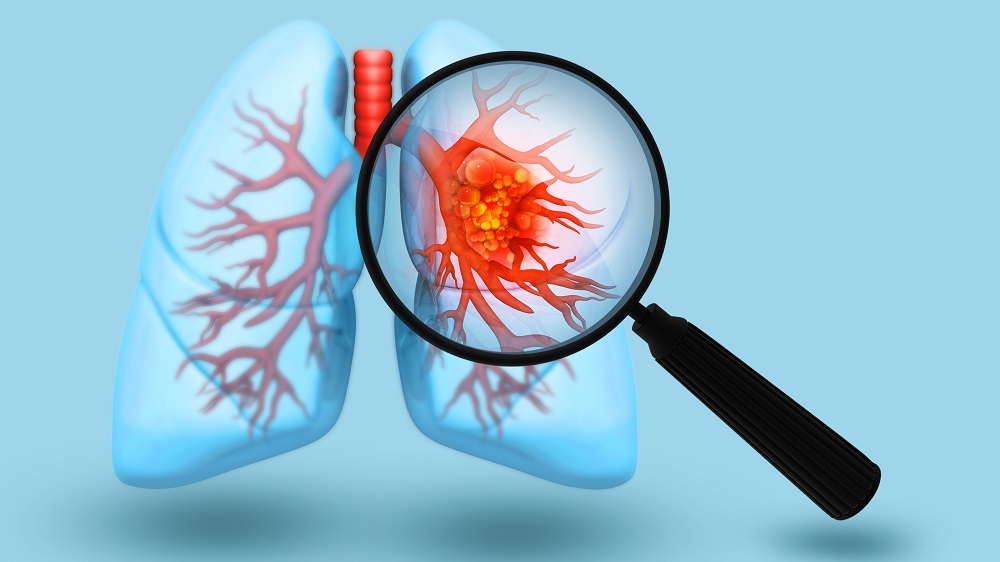
Mitochondria Transplant Improves Chemotherapy in Lung Cancer
This treatment helped in two distinct ways.
by August 8, 2025
Scientists have demonstrated that injecting healthy mitochondria either systematically or directly into the tumor microenvironment can provide significant therapeutic benefits in lung cancer models.
Mitochondria’s Dual Role in Lung Cancer
While not the most prevalent type of cancer, lung cancer causes more deaths than any other cancer type. Non-small cell lung cancer (NSCLC) accounts for 85% of cases and despite being a less aggressive variant, it remains deadly in many instances, even with early detection.
Chemotherapy remains the backbone of treatment for advanced NSCLC; however, its effectiveness is often hindered by the adaptability of tumor cells and the toxic effects on the immune system. Additionally, anti-cancer therapies, including chemotherapy, have been shown to accelerate aging [2]. A novel study from Tongji University School of Medicine and Nantong University in China, published in Cancer Biology & Medicine, suggests that transplanting healthy mitochondria into the tumor environment may address both issues.
The energy production in cells can be categorized into two primary mechanisms. Oxidative phosphorylation (OXPHOS), facilitated by mitochondria, is a complex, multi-step process that yields significant amounts of ATP, the energy 'currency' of the cell, for each glucose molecule utilized. This process is oxygen-dependent and produces CO2 as a by-product. In contrast, glycolysis occurs in the cytoplasm and, while oxygen-independent, results in lower ATP yields per glucose molecule.
Many tumors reprogram their metabolic processes—suppressing OXPHOS in favor of glycolysis—leading to enhanced growth and immune evasion. This shift is referred to as the Warburg effect [3]. It creates an acidic microenvironment, hampering the efficiency of immune cells.
Immune cells such as T cells and natural killer (NK) cells also require mitochondria to function optimally. Cancer cells can even strip mitochondria from incoming immune cells through filament-like tunneling nanotubes, further compromising the immune response. Researchers hypothesized that replenishing fresh, functional mitochondria could aid both sides—enhancing tumor cell vulnerability to chemotherapy while bolstering immune cells to combat tumor growth.
Mitochondria Hurt Cancer Cells, Boost Immune Cells
The research team isolated mitochondria from energy-rich human cardiomyocytes and transplanted them into NSCLC models, both in vitro and in animal models:
- In Vitro Studies: Mitochondria were introduced to cancer cells through co-culturing methods.
- In Vivo Studies: Two delivery methods were explored—systemically and through direct injection into tumor sites.
The mitochondrial transplantation was paired with cisplatin, a well-known DNA-damaging chemotherapy drug standard for NSCLC that is also recognized for its immunosuppressive effects. The study compared three treatment groups: cisplatin alone, mitochondrial transplantation alone, and the combination of both. Variations in systemic delivery (single vs. double weekly treatment) were also examined.
Although mitochondrial transplantation alone did not result in cancer cell death in vitro, when combined with cisplatin, it halved the concentration of cisplatin necessary to inhibit cell growth (IC50) from around 12.9 µM to approximately 6.7 µM. Interestingly, systemic delivery exhibited a milder, yet notable effect. This combination therapy shifted tumor metabolism back towards OXPHOS, countering the detrimental effects of the Warburg shift. Markers associated with tumor aggressiveness and resilience to therapy were significantly reduced.
| Delivery Method | Effect on Tumor Growth | Cisplatin IC50 (µM) |
|---|---|---|
| Cisplatin Alone | Standard Growth Rate | 12.9 |
| Mitochondria Alone | No Significant Effect | — |
| Combination Therapy | Nearly Halved Growth Rate | 6.7 |
In studies on mice injected with NSCLC cells, the combination treatment significantly slowed tumor growth, with optimal results from both local and systemic mitochondria delivery. Even systemic delivery alone yielded substantial results.
Increased delivery of mitochondria resulted in a decrease in markers indicating tumor stemness, such as HIF-1α, CD44, and CD133. Conversely, there was an increase in markers associated with programmed cell death (apoptosis) in cancer cells and an elevated presence of reactive oxygen species (ROS) within the tumor environment. This suggests that the introduced mitochondria contribute both to enhancing immune responses while also rendering tumor cells more susceptible to treatment.
Relevance for Future Anti-Aging Treatments
“This research introduces a powerful dual-action strategy,” said Dr. Liuliu Yuan, lead investigator of the study. “By replenishing immune cells with functional mitochondria, we are not just enhancing their energy but restoring their ability to fight. At the same time, tumor cells become more vulnerable to chemotherapy. It’s like rearming the immune system while disarming the tumor. This could be a promising avenue for patients who don’t respond well to conventional treatment.”
While the results are promising, they stem from early-stage research. Future investigations must focus on refining delivery methods for mitochondrial transplantation, assessing their durability, and understanding their implications in the complex physiological context of human cancers. Additionally, practical challenges like scaling up mitochondrial production and ensuring consistent quality will need to be navigated. However, mastering mitochondrial transplantation may yield benefits that extend beyond cancer treatment, particularly into the realm of developing future anti-aging therapies.
Literature
- [1] Lin, S., Yuan, L., Chen, X., Chen, S., Wei, M., Hao, B., … & Fan, L. (2025). Mitochondrial transplantation sensitizes chemotherapy to inhibit tumor development by enhancing anti-tumor immunity. Cancer Biology & Medicine.
- [2] Shafqat, S., Chicas, E. A., Shafqat, A., & Hashmi, S. K. (2022). The Achilles’ heel of cancer survivors: fundamentals of accelerated cellular senescence. The Journal of Clinical Investigation, 132(13).
- [3] Potter, M., Newport, E., & Morten, K. J. (2016). The Warburg effect: 80 years on. Biochemical Society Transactions, 44(5), 1499-1505.
We are a non-profit foundation, and unlike some other organizations, we have no shareholders or products to sell you. All our news and educational content is free for everyone to read, but it means we rely on the help of people like you. Every contribution, regardless of size, supports independent journalism and sustains our future.









Discussion