

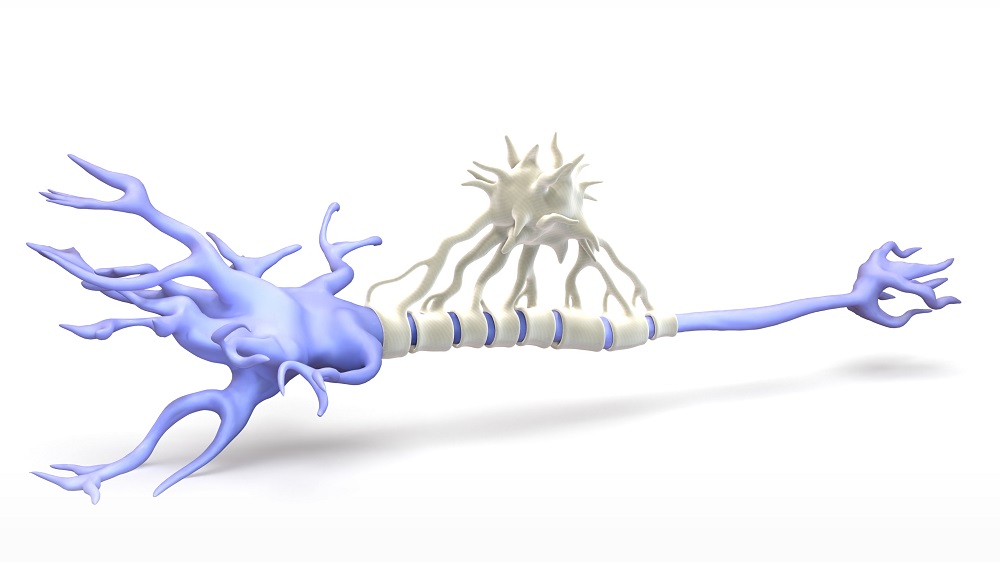
A groundbreaking review published in Cell Stem Cell highlights the success of microglia replacement therapy, a pioneering approach that has transitioned from mouse studies to successful human trials within just five years. This innovative therapy addresses the implications of microglial dysfunction in various central nervous system (CNS) diseases, including Alzheimer’s Disease.
Understanding Microglia and Their Role
Microglia are the primary immune cells in the brain, crucial for maintaining homeostasis and responding to injury. Their dysfunction has been implicated in a range of neurological conditions, creating a pressing need for effective treatments. Traditionally, treatments that modulate microglial activity have faced significant hurdles due to their protective roles and the challenges posed by the blood-brain barrier (BBB) that limits drug delivery to the central nervous system.
Advancements in Microglial Therapy
The concept of replacing damaged microglia was once regarded as overly ambitious; however, advancements in technology have made this feasible. The authors of the study, led by Bo Peng from Fudan University, demonstrate that replacing dysfunctional microglia with healthy cells can restore proper function and ameliorate the progression of diseases such as adult-onset leukoencephalopathy with axonal spheroids and pigmented glia (ALSP).
Key Features of the Microglia Replacement Approach
- Targeting Rare Diseases: The initial focus on ALSP, a rare and severe neurodegeneration, allows for a concentrated study with potentially significant outcomes.
- Concept of Replacement: Replacing defective microglia with either genetically corrected or wild-type cells provides a potentially transformative treatment strategy.
- Reported Outcomes: Early results suggest that microglia replacement can halt or slow disease progression with promising long-term effects.
The Process of Microglia Replacement
The procedure for replacing microglia involves significant clinical effort and a thorough understanding of the microglial environment. The process necessitates effective depletion of resident microglia along with an influx of donor cells, a challenge since microglia exhibit strong self-renewal capabilities and territorial behaviors.
Microglia Intervention Strategy for Therapy and Enhancement by Replacement (MISTER)
The development of the MISTER protocol underscores the methodology involved in microglial replacement. This includes:
- Mr BMT: Utilizing classic bone marrow transplantation for microglia replacement.
- Mr PB: Employing peripheral blood as a donor source, offering an easier option for contributors while achieving similar replacement levels in animal studies.
"Microglial gene mutations can either cause or accelerate the course of CNS disorders. Conceptually, replacing pathogenic microglia with gene-corrected or wild-type counterparts offers a promising therapeutic avenue." – Bo Peng, Lead Researcher
Implications for Future Research
As researchers look to the future, questions arise regarding the potential for this treatment to extend beyond rare disorders. Genetic mutations linked to more prevalent conditions, such as various forms of dementia, offer avenues for exploration. Notably, the TREM2 and APOE genes are of interest due to their moderate associations with Alzheimer’s disease and microglial behavior.
Limitations and Safety Concerns
Despite the optimism surrounding microglia replacement, significant safety concerns remain. The current myeloablative conditioning protocols parallel those used in cancer treatments, making them too harsh for general use, especially among older and frail patient populations. Researchers call for further optimization to ensure a safer, targeted approach that may eventually broaden the application of microglial therapies to more common neurodegenerative diseases.
| Therapy Technique | Advantages | Limitations |
|---|---|---|
| Mr BMT | High replacement efficiency (90% in mice) | Invasive and complex |
| Mr PB | Easy on donors, 80% replacement rates | Less established than BMT |
The Path Forward
As the field of microglia replacement progresses, the potential for engineered microglia to serve as a delivery system for therapeutic agents opens up new horizons. Researchers envision future applications where microglia can operate as drug factories within the brain, addressing various neurological deficits by secreting essential enzymes and factors directly at the site of action.
The authors conclude, “Overall, microglia replacement is a newly emerging but rapidly progressing field. With continued mechanistic insight, clinical innovation, and broad collaboration, microglia replacement can mature from early breakthroughs into a generalizable platform across neurological diseases.”
Literature Cited
[1] Peng, B., Rao, Y., & Wu, J. (2025). The evolution of microglia replacement: A new paradigm for CNS disease therapy. Cell Stem Cell, 32(12), 1487–1503.
[2] Hansen, D. V., Hanson, J. E., & Sheng, M. (2018). Microglia in Alzheimer’s disease. Journal of Cell Biology, 217(2), 459-472.
[3] Pardridge, W. M. (2005). The blood-brain barrier: bottleneck in brain drug development. NeuroRx, 2(1), 3-14.
To support independent journalism and further advancements in this crucial area, you can contribute on our website. Your support helps sustain our ongoing research and outreach efforts.









Discussion