

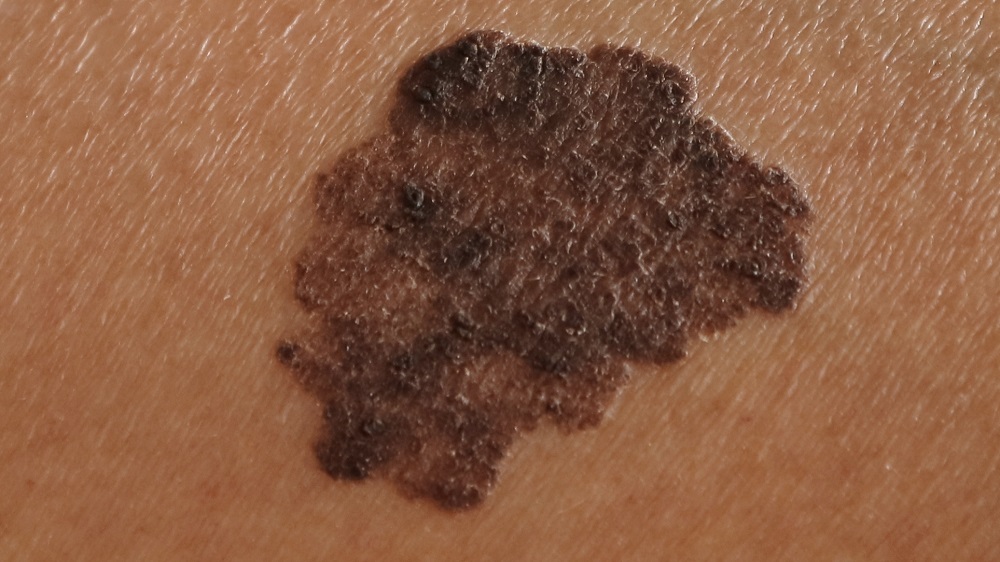
Melanoma, a serious form of skin cancer, is increasingly recognized for its complex relationship with cellular senescence—a state where cells lose their ability to divide and function optimally. Recent studies have uncovered how senescent cells can contribute to the proliferation of melanoma, underscoring the need for new therapeutic approaches.
Introduction to Melanoma
Melanoma is particularly aggressive and poses a significant threat to individuals with a history of skin exposure. Remarkably, melanoma's severity is closely linked to its vertical growth pattern, which is notably associated with cellular senescence and its byproducts, specifically the Senescence-Associated Secretory Phenotype (SASP).
The Role of Senescent Cells
Researchers have published findings in Aging Cell that elucidate the interaction between senescent skin fibroblasts and melanoma cells. Understanding this interaction is crucial as cellular senescence has been identified as a major driver of malignancy:
- GCL-2 secretion: This compound is secreted by senescent cells and encourages cancer growth.
- Vertical growth initiation: Melanoma tends to grow vertically—a pattern driven by the presence of these senescent cells.
Mechanisms of Melanoma Proliferation
Research indicates that melanoma cells are attracted to senescent cells, which has been evidenced through several experiments:
| Experiment | Findings |
|---|---|
| Direct Injection | Injecting senescent fibroblasts into mice resulted in tumors ten times thicker than those with non-senescent fibroblasts. |
| Conditioned Media Cultivation | Melanoma cultured in media from senescent fibroblasts exhibited enhanced growth compared to those with non-senescent fibroblasts. |
Key Compounds: GCL-2 and ENA-78
The compounds GCL-2 and ENA-78 are particularly noteworthy. Senescent fibroblasts secrete these molecules in greater quantities in older adults, and they act as chemoattractants for melanoma cells:
- GCL-2: Its suppression can significantly hinder melanoma growth, making it a potential therapeutic target.
- ENA-78: Although it also promotes growth, its impact is less significant compared to GCL-2.
Molecular Mechanisms
Further analysis revealed that GCL-2 facilitates the phosphorylation of the cAMP-responsive element binding protein (CREB), which, in turn, leads to the activation of tumor-promoting genes:
This creates a cycle where CREB activation promotes glycolysis, aiding in the cancer's progression:
| Parameter | Effect on Melanoma |
|---|---|
| Activating CREB | Increases glycolysis, leading to accelerated tumor growth. |
| Inhibiting CREB | Prevents the metabolic changes that support malignant growth. |
Potential Therapeutic Strategies
The insights gained from this research present new avenues for melanoma treatment:
- Targeting GCL-2: Developing inhibitors that block GCL-2 could dampen senescent cell's tumor-promoting effects.
- Modulating CREB activity: Strategies aimed at inhibiting CREB may reduce the aggressiveness of melanoma.
“Our data allows several options for novel strategies for therapeutic intervention… targeting GCL-2 or its receptors offers a few potential avenues.” – Lead Researcher, Aging Cell Study
Conclusion
As the understanding of melanoma and its interaction with senescent cells evolves, new therapeutic targets like GCL-2 and CREB present promising opportunities. Future research will be essential to translate these findings into effective treatments, ultimately improving patient outcomes and survival rates in melanoma.
Literature Cited
[1] Kim, K. B., et al. (2013). *Journal of Clinical Oncology*, 31(4), 482-489.
[2] Gray-Schopfer, V. C., et al. (2005). *Cancer and Metastasis Reviews*, 24(1), 165-183.
[3] Dankort, D., et al. (2009). *Nature genetics*, 41(5), 544-552.
[4] Breslow, A. (1970). *Annals of surgery*, 172(5), 902.
[5] Greene, V. R., et al. (2009). *Journal of investigative dermatology*, 129(6), 1483-1488.
[6] Kruijff, S., et al. (2012). *British journal of cancer*, 107(3), 570-574.
[7] Liu, J., et al. (2023). *Cancers*, 15(9), 2640.
[8] Mooi, W. J., & Peeper, D. S. (2006). *New England Journal of Medicine*, 355(10), 1037-1046.
[9] Campbell, L. M., et al. (2013). *Pharmaceuticals*, 6(8), 929-959.









Discussion