

How Macrophages Manage Obesity and Change With Age
These results were strongly sex-dependent.
Published on September 15, 2025
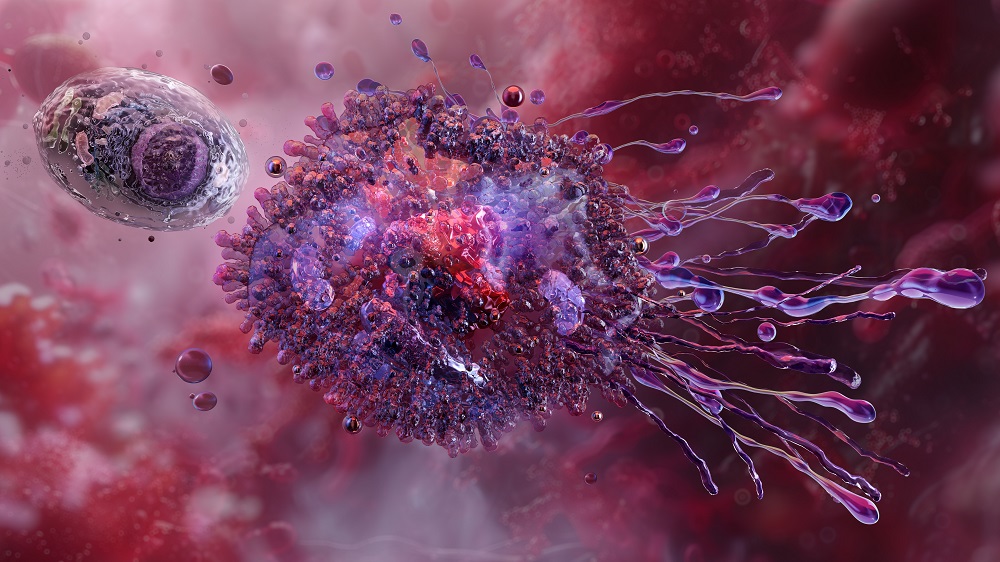
Macrophages can be categorized into several subtype clusters characterized by differences in gene expression. One of these clusters only appears with aging, while another cluster is associated with nerve function and is required for proper management of fat tissue. This research, detailed in Nature Aging, highlights these findings, emphasizing how not all macrophages follow the same regulatory mechanisms.
Not all Macrophages Follow the Same Rules
The decline of macrophages with age is widely recognized, leading to investigations into potential solutions that involve changing macrophage polarity from M1, which favors inflammation, to M2, which supports regeneration. However, this model does not apply to adipose tissue macrophages (ATMs), which do not polarize in this manner [1]. Instead, ATMs possess several subsets including lipid-associated macrophages (LAMs) [2] and vasculature-associated macrophages (VAMs) [3].
This paper focuses on several of these subtypes, including nerve-associated macrophages (NAMs), which not only oversee nerve health [4] but are also linked to the functionality of surrounding tissues, such as the gut [5]. Within adipose tissue, NAM behavior has been closely linked to obesity [6].
Macrophage Subtypes Can Be Clustered
The researchers commenced their study by extracting visceral white adipose tissue (VAT) from both 2-month-old and 22-month-old mice, with both genders represented. They isolated immune cells positive for both F4/80 and CD11b+.
Approximately three-quarters of these cells were identified as tissue resident, with the remainder present in circulation. Through principal component analysis, the researchers determined substantial differences exist between circulating and resident macrophages, as well as variations between cells in brown fat versus white fat.
Using single-cell RNA sequencing, the researchers clustered the macrophages and identified their commonalities and differentiations. Notably, a dominant cluster found predominantly in male mice, termed Cluster 0, was diminished in females, while an exceptionally common cluster in females, termed Cluster 5, was less prevalent in males. This observation underscores significant sex-dependent differences in macrophage profiles.
Cluster 5 was highly enriched for MAOA, an enzyme responsible for degrading catecholamines such as neurotransmitters. This led the researchers to classify these as NAMs, while Cluster 0 was determined to represent VAMs.
Age Changes the Landscape
Analysis revealed significant changes within these clusters due to aging, with a strong reliance on sex differences. For instance:
- Cluster 0 decreased with age in males, whereas there was no significant change in females.
- Cluster 5 decreased in females but remained stable in males.
- Cluster 13 increased in females but not in males.
- Clusters 4 and 10 increased in both sexes, with Cluster 4 being linked to aging and identified as aging-associated macrophages (AAMs), characterized by the expression of pro-inflammatory compounds and CD38.
Interestingly, flow cytometry results did not entirely align with RNA sequencing data, suggesting age-related changes in cell surface marker expressions, particularly in Cluster 5 NAMs.
A Link to Obesity
This research illustrates the critical roles of macrophage clusters, particularly NAMs, in maintaining myelin for neuronal protection. Researchers found that depleting adipose-derived NAMs in young mice led to significant dysregulation of catecholamine levels and increased obesity risk, as the freely fed mice with NAM depletion gained weight more readily. Further investigations in older mice indicated that NAM depletion was correlated with increased inflammatory responses.
Conclusion
This study provides vital insights into the heterogeneity of macrophages and their altered states with aging. The findings suggest that focusing on distinct macrophage subtypes may pave the way for innovative strategies to better address obesity and related metabolic disorders. For instance, identifying and possibly reducing the prevalence of AAMs may enhance therapeutic approaches.
In essence, understanding the complex interactions of macrophages offers promising avenues not just for managing obesity but for developing novel anti-obesity pharmaceuticals.
Literature
- [1] Camell, C. D., et al. (2017). Inflammasome-driven catecholamine catabolism in macrophages blunts lipolysis during ageing. Nature, 550(7674), 119-123.
- [2] Jaitin, D. A., et al. (2019). Lipid-associated macrophages control metabolic homeostasis in a Trem2-dependent manner. Cell, 178(3), 686-698.
- [3] Silva, H. M., et al. (2019). Vasculature-associated fat macrophages readily adapt to inflammatory and metabolic challenges. Journal of Experimental Medicine, 216(4), 786-806.
- [4] Kolter, J., et al. (2019). A subset of skin macrophages contributes to the surveillance and regeneration of local nerves. Immunity, 50(6), 1482-1497.
- [5] Muller, P. A., et al. (2014). Crosstalk between muscularis macrophages and enteric neurons regulates gastrointestinal motility. Cell, 158(2), 300-313.
- [6] Pirzgalska, R. M., et al. (2017). Sympathetic neuron–associated macrophages contribute to obesity by importing and metabolizing norepinephrine. Nature Medicine, 23(11), 1309-1318.
About the Author: Josh has been writing and editing Lifespan articles over the past decade and is responsible for the continuous production of daily news content. With a programming background, he is an enduring supporter of anti-aging medicine.









Discussion