

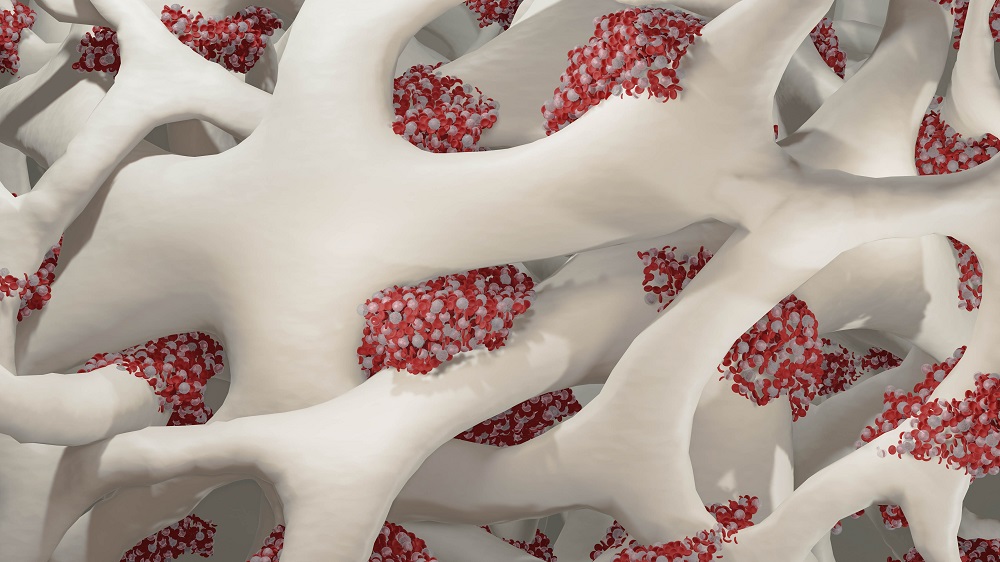
Recent advancements in hematopoietic stem cell (HSC) research have highlighted the pivotal role of lysosomal function in aged blood stem cells. A groundbreaking study published in Cell Stem Cell reveals that the overactivation of lysosomes in HSCs compromises their functionality, which correlates with aging and associated health declines.
Understanding Hematopoietic Stem Cells
Hematopoietic stem cells are essential for the production of blood cells, as they give rise to blood progenitor cells that differentiate into all forms of blood cells. With advancing age, the functionality of these cells deteriorates, resulting in numerous health issues such as:
- Immune decline: Increased vulnerability to infections and diseases.
- Chronic inflammation: HEIGHTENED levels of systemic inflammation.
- Atherosclerosis: Development of heart and vascular diseases.
- Elevated risk of cancer: Due to genetic mutations in HSCs.
As noted in the study, dysfunction in these cells is not merely a consequence of aging but also actively contributes to clonal hematopoiesis. This phenomenon is characterized by mutations in HSCs that allow specific clones of blood cells to proliferate at the expense of overall blood quality, ultimately accelerating aging and mortality in the elderly population.
The Role of Lysosomes in Blood Stem Cells
Lysosomes are specialized organelles that function as the cell’s recycling units, breaking down various cellular components and maintaining metabolic balance. The recent findings indicate that with age, lysosomes in HSCs undergo significant alterations that lead to impaired cellular function.
Key Findings of the Study
The researchers conducted their experiments using HSCs derived from young (8-week-old) and old (22- to 24-month-old) mice, revealing several crucial insights:
| Criteria | Younger HSCs | Older HSCs |
|---|---|---|
| Lysosomal Mass | Higher | Reduced |
| pH Levels | Normal | Hyperacidified |
| Membrane Integrity | Intact | Compromised |
| Lysosomal Activity | Lower | Higher |
This data underscores the breakdown of lysosomal function as a primary contributor to the decline of HSC potency with age. Notably, old HSCs displayed increased levels of mTORC1 signaling, an indicator of hyperactive metabolism that detracts from cellular efficiency.
Reversing Lysosomal Dysfunction
In an innovative approach, the team utilized an inhibitor, ConA, to target and normalize lysosomal activity by inhibiting the proton pump v-ATPase. The results demonstrated significant improvements:
- Restored lysosomal function and integrity.
- Reduced levels of inflammatory signals due to cytosolic mitochondrial DNA.
- A 16-fold increase in HSC output in vivo after transplantation of treated cells.
Implications for Blood System Restoration
These findings affirm that the aging process of blood stem cells is malleable and not predetermined. Evidence from transplantation studies showed:
| Treatment Group | HSC Output | Survival Rate at 21 Weeks |
|---|---|---|
| ConA-treated HSCs | 16-fold increase | Higher |
| Sham-treated HSCs | Standard Output | Lower |
This improvement in blood-production capacity signals a promising avenue for treating age-related blood disorders and enhancing the viability of stem cells for transplantation, ultimately leading to improved health outcomes for the elderly population.
Conclusion
Dr. Saghi Ghaffari and his research team emphasize that lysosomal dysfunction is a considerable factor in stem cell aging. Identifying and targeting these cellular mechanisms could revolutionize treatments for maintaining healthy blood and immune systems in older adults.
As the researchers conclude, "By slowing down the lysosomes and reducing their acidity, stem cells become healthier and capable of generating new, balanced blood cells." This finding represents a critical step towards unlocking the potential for longevity and robust health as we age.
References
[1] Arif, T., et al. (2025). Reversing lysosomal dysfunction restores youthful state in aged hematopoietic stem cells. Cell Stem Cell.
[2] Kasbekar, M., et al. (2023). Hematopoietic stem cells through the ages: A lifetime of adaptation to organismal demands. Cell Stem Cell, 30(11), 1403-1420.
[3] Jaiswal, S., & Ebert, B. L. (2019). Clonal hematopoiesis in human aging and disease. Science, 366(6465), eaan4673.





Discussion