

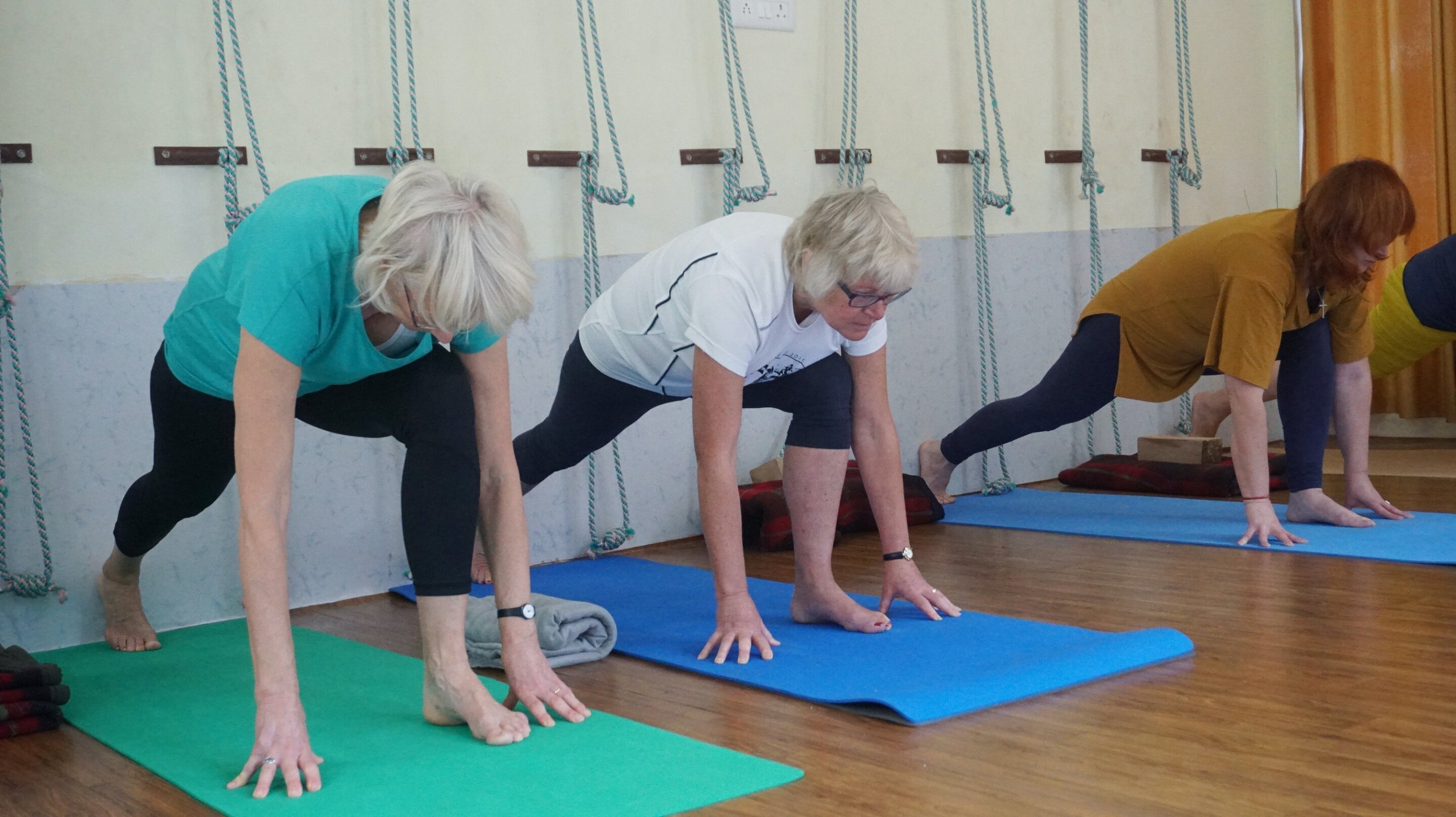
A recent study conducted by the University of Sydney has revealed a concerning link between Iyengar yoga and increased rates of falls among older Australians. The findings, published in the Lancet Healthy Longevity, indicate that participation in a yoga program was associated with a 33% higher incidence of falls over a 12-month period when compared to a control group engaged in seated relaxation yoga.
Introduction
Falls among older adults are a critical public health issue, with approximately one-third of individuals aged 65 and over experiencing at least one fall each year. This demographic faces serious consequences as 400 older Australians are hospitalized daily due to falls, with 17 fatalities attributed to such incidents. Notably, this study aimed to evaluate yoga, a prevalent form of exercise among seniors, as a potential strategy for fall prevention.
Study Overview
In addressing this knowledge gap, researchers conducted a randomized control trial including 700 participants aged 60 and older who had no prior experience with yoga. The participants were divided into two groups:
- Group A: Engaged in an online Iyengar yoga program, characterized by longer-held poses and the use of supportive props.
- Group B: Participated in a self-guided seated relaxation yoga program.
The study participants were tasked with reporting their fall incidents monthly over the course of one year.
Results
Data analysis revealed a significant finding:
| Group | Fall Rate | Injury Rate |
|---|---|---|
| Iyengar Yoga | 33% higher falls | No increase in injuries |
| Relaxation Yoga | Baseline falls | No increase in injuries |
Interestingly, the increase in falls was predominantly observed in particular subgroups, including:
- Individuals who had not previously experienced a fall.
- Those who were physically active prior to involvement in the yoga program.
- Participants who rated their balance as good or excellent.
Discussion
According to Professor Anne Tiedemann, one hypothesis for the heightened incidence of falls among Iyengar yoga participants is the potential overconfidence gained from engaging in the practice. She stated, “Individuals may have felt emboldened to partake in activities outside of class that they would normally avoid.” Furthermore, the relatively static nature of fixed poses in Iyengar yoga may not sufficiently challenge balance in the same way that more dynamic forms of exercise do.
“The complexity of preventing falls in older adults highlights the need for tailored exercise programs that account for individual physiology and the type of activities being pursued.”
Implications and Recommendations
While the Iyengar yoga program increased the number of falls, it is important to note that participants reported various positive health benefits, such as enhanced mobility and confidence in performing tasks like standing from a seated position or climbing stairs.
Dr. Juliana Oliviera, first author of the study, emphasized that older adults interested in yoga should consult their healthcare provider for safe practice guidelines and consider integrating balance-centric exercises, such as squats and lunges, into their routines.
Conclusion
In conclusion, while Iyengar yoga may not be the most suitable method for fall prevention among older adults, it still offers other significant health benefits. Ongoing research is essential to develop effective exercise strategies that enhance balance and reduce fall risk in aging populations.
Further Reading
For additional information, please refer to:
- Popular type of yoga linked to higher rates of falls among older Australians
- Oliviera, J. S., et al. (2025). The effect of an Iyengar yoga-based exercise programme versus a seated yoga relaxation programme on falls in people aged 60 years and older. The Lancet Healthy Longevity.









Discussion