


Pancreatic cancer is recognized as one of the most lethal cancers, primarily due to its late diagnosis and difficult treatment options. A recent study conducted by a team of researchers from South Korea has introduced a pioneering approach utilizing "smart nanoparticles" that specifically target tumor tissues while remaining undetected in normal tissues. This innovative drug delivery system has the potential to minimize the side effects associated with conventional chemotherapy, thereby improving treatment efficacy.
Development of Stealth Nanoparticles
The research, led by Professor Hyung Joon Cha from POSTECH's Department of Chemical Engineering, aims to overcome the limitation of traditional chemotherapy drugs, which often fail to adequately penetrate tumor tissues and can significantly harm healthy cells. The primary drug in question, gemcitabine, is essential in treating pancreatic cancer but tends to degrade rapidly in the bloodstream before it can effectively target tumors.
To counter this issue, the team derived inspiration from the remarkable adhesion properties of mussels. Utilizing molecular synthetic biotechnology, they synthesized mussel adhesive proteins into nanosized particles, encapsulating gemcitabine within. These nanoparticles were then coated with polyethylene glycol (PEG), a biocompatible polymer that helps maintain stealth characteristics as they circulate through the bloodstream.
Mechanism of Action
The ingenuity of this study lies in the specially designed "spatially controlled stimulus-response system" embedded within the nanoparticles. The protective PEG coating contains a peptide that is chemically cleaved only by MMP2, an enzyme that is abundantly secreted in pancreatic cancerous tissues. Therefore, while the nanoparticles are in the bloodstream, they remain shielded from immune system attacks. Upon reaching tumor environments, the MMP2 enzyme activates the release of gemcitabine by stripping away the protective PEG coating.
Once the coating is removed, the affinity for cancerous cells is heightened significantly. The nanoparticles can now adhere firmly to the tumor tissues and efficiently penetrate the cancer cells, ensuring a targeted and sustained release of the anticancer drug. This process allows them to exert their therapeutic effect predominantly against cancer cells while sparing healthy tissues.
Efficacy and Safety in Animal Models
The researchers conducted rigorous testing using animal models of pancreatic cancer to evaluate the effectiveness and safety of these nanoparticles compared to traditional therapies. The results were promising:
| Parameter | Conventional Treatment | Stealth Nanoparticles |
|---|---|---|
| Tumor Volume Reduction | Less than 30% | Over 50% |
| Tumor Weight Reduction | 25% | More than 50% |
| Systemic Toxicity | High | None observed |
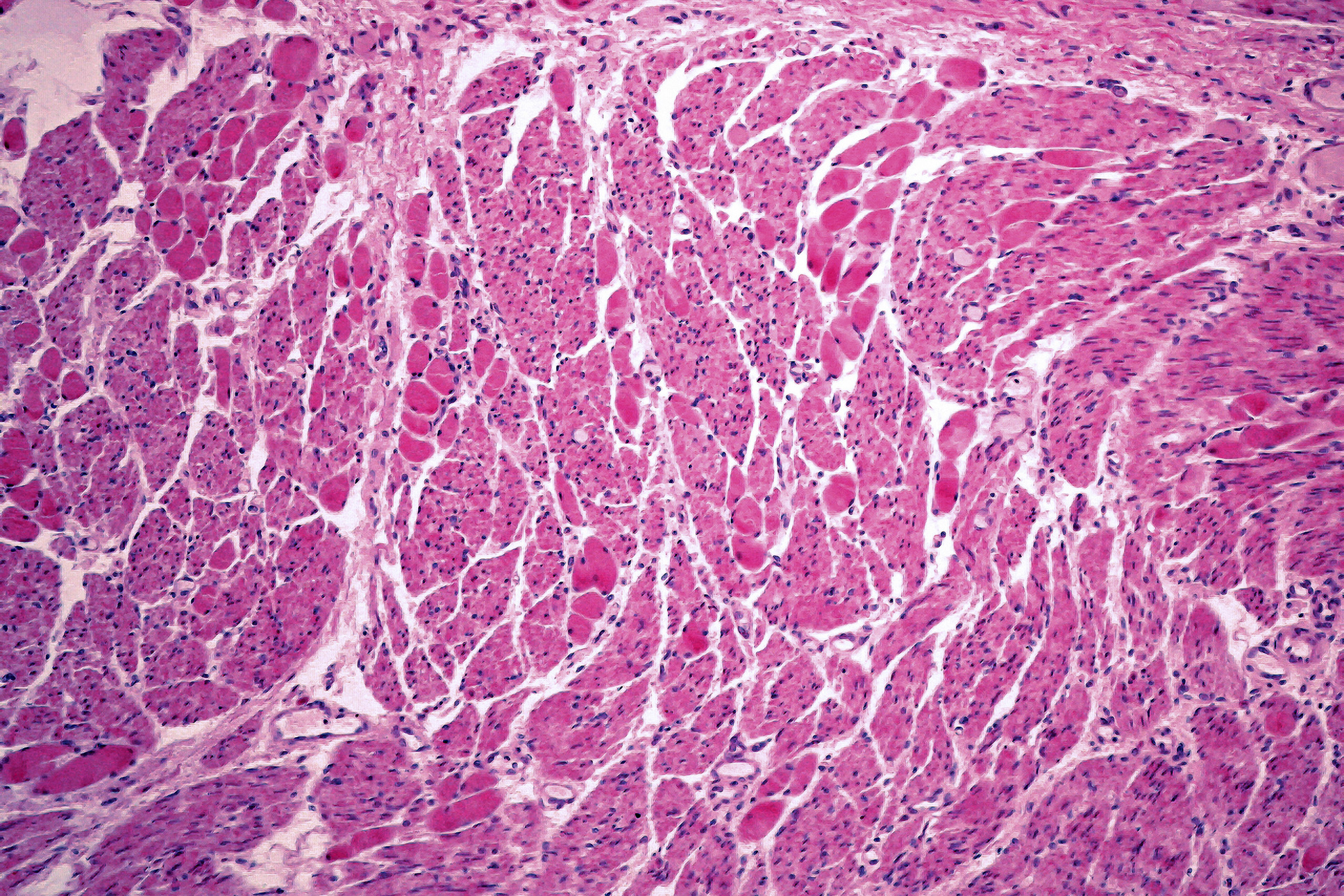
This unprecedented reduction in tumor mass, combined with the absence of systemic toxicity, highlights the significant advantages offered by the nanoparticle technology. Histological analyses further confirmed extensive cancer cell death in the treated animals, validating the method's potential for therapeutic applications.
Future Directions and Broader Applications
The researchers plan to expand this promising platform beyond just pancreatic cancer by developing targeted therapies for various other solid tumors deemed difficult for conventional drug delivery methods. Professor Cha expressed optimism about this new drug delivery system, stating, "Our platform represents a novel systemic treatment strategy that selectively activates the drug only within tumor tissue, thereby minimizing adverse side effects and enhancing therapeutic impact. This innovation may significantly change the treatment landscape for patients suffering from intractable solid tumors."
“By reducing the side effects of cancer treatment while enhancing its efficacy, it will offer hope to patients with intractable solid tumors, including pancreatic cancer.” – Professor Hyung Joon Cha
Conclusion
This groundbreaking study showcases the potential of nanoparticle technology in revolutionizing cancer treatment, specifically for pancreatic cancer, which is notorious for its resistance to existing therapies. The incorporation of mussel proteins for drug delivery not only enhances the precision of anticancer interventions but also opens new avenues for research and development in oncology.
References
Lee, H., et al. (2026). Stealthy systemic circulation of spatially controlled tumor microenvironment-activated bioadhesive proteinic nanoparticles for pancreatic cancer chemotherapy. Biomaterials. DOI: 10.1016/j.biomaterials.2026.124384.
Retrieved from Science X.





Discussion