

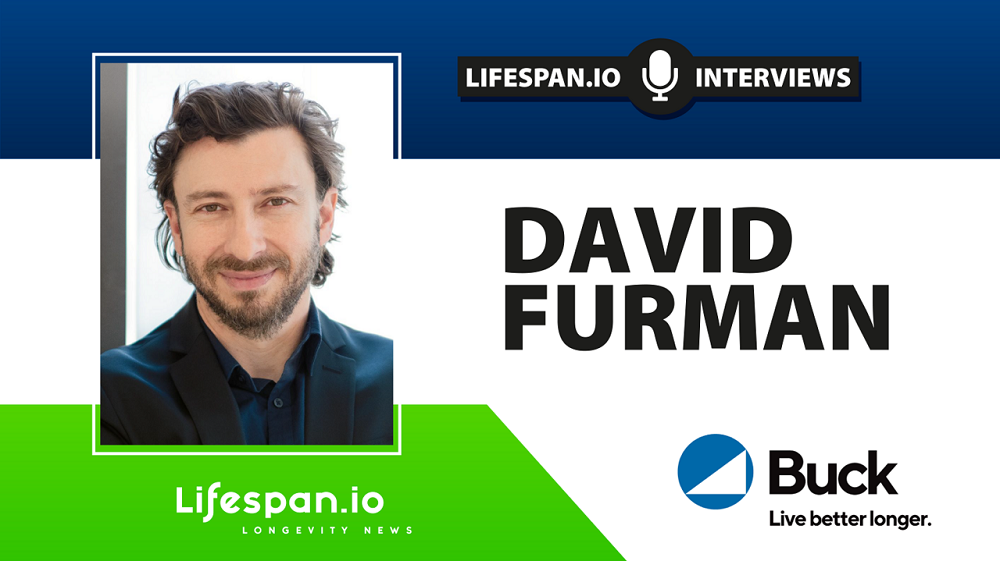
Dr. David Furman on Inflammation and Aging
Affecting inflammaging may enable people to live a lot longer.
by
July 7, 2025
Introduction
Inflammation and aging have come to the fore of geroscience discussions, particularly the phenomenon known as inflammaging: the chronic, low-grade inflammation that is seen in older adults. Dr. David Furman, a prominent researcher in this area, emphasizes that understanding and intervening in inflammaging may offer pathways to extend human healthspan, or the years lived in good health.
The Role of Inflammation in Aging
Inflammation acts as a defense mechanism of the immune system, yet, when chronic, it can undermine health. Dr. Furman points out that not all inflammatory pathways are created equal; their impact varies significantly. His work at Stanford and the Buck Institute aims to create an inflammation-based clock that could potentially diagnose an individual’s inflammaging status.
Dr. Furman's Background
Dr. Furman’s journey began in Argentina. Initially aspiring to be a physician, conversations with his father shifted his focus to biology and biochemistry, leading him to investigate how inflammation impacts both infective and non-communicable diseases as people age.
Key Historical Insights
- First Proposal of Inflammation's Role: In 2000, Claudio Franceschi's work suggested that inflammation accelerates aging, catalyzing further research in this area.
- Impact on Common Diseases: Studies have shown that inflammation plays a critical role in various age-related diseases, such as cancer and cardiovascular disease.
- Mechanism of Operation: Inflammatory proteins, like interleukin-6 (IL-6), significantly influence tumor growth and heart health.
Understanding Inflammaging
Dr. Furman argues that early interventions in the aging process are vital. Molecular interception allows scientists to detect preclinical signs of diseases, potentially mitigating their development before clinical symptoms emerge.
Transgenerational Effects
Research indicates that inflammatory states may begin generations before an individual is even born. Factors such as psychological trauma and environmental stressors can influence the inflammatory load of future generations:
- Maternal inflammation during pregnancy can predispose offspring to a range of diseases.
- The epigenetic impact of previous generations can alter susceptibility to inflammatory diseases.
Building an Inflammation Clock
Utilizing data from the 1000 Immunomes Project, Dr. Furman's team developed a sophisticated aging clock that outperforms existing models by using a smaller set of proteins. Employing a deep neural network, they navigated the challenge of data redundancy to create a system capable of predicting biological age based on immune profile:
| Method | Description |
|---|---|
| Deep Guided Autoencoder | A neural network that handles complex datasets by focusing on essential features while minimizing noise. |
| iAge Clock | Predicts chronological age based on immune protein data along with clinical validity in predicting diseases. |
Findings on Centenarians
Examining the immune profiles of centenarians revealed that their inflammatory age is significantly lower than their chronological age, suggesting robust mechanisms in place for inflammation control. This has profound implications for understanding longevity:
| Participant Age | Inflammatory Age |
|---|---|
| 100 | 60 |
| 105 | 25 |
Practical Implications of Research
Dr. Furman's insights extend beyond academia; he actively applies his findings to his own life and encourages others to consider lifestyle changes to mitigate inflammation. These include:
- Reducing exposure to processed foods and environmental toxins.
- Implementing evolutionary medicine principles to control inflammation.
- Examining chronic inflammation through various biomarkers beyond conventional methods such as C-reactive protein (CRP).
“Inflammation is built for repair but can become detrimental if sustained. Recognizing and intercepting the precursors of inflammatory responses is essential to improving health outcomes.” – Dr. David Furman
Conclusion
Dr. David Furman’s work on inflammation and aging illuminates paths for enhancing healthspan and longevity. By understanding and intervening in inflammatory processes, there may be opportunities to improve quality of life for current and future generations. As he seeks to translate his research through commercial entities and initiatives, the hope is that these findings will lead to tangible health benefits in broader populations.
Further Reading
For more on the implications of inflammation in aging, consider exploring these sources:
- The Role of Inflammation in Age-Related Diseases
- Transgenerational Effects of Inflammation
- Developments in Aging Research at the Buck Institute
Author: Arkadi, a passionate journalist advocating for longevity and the social implications of life extension.









Discussion