

The phenomenon of inflammaging—the chronic low-grade inflammation that accompanies aging—has been a topic of significant interest among researchers studying the relationship between inflammation and the aging process. A recent study conducted by the Columbia University Mailman School of Public Health, and published in Nature Aging, challenges existing assumptions about how inflammation manifests across diverse populations, particularly between industrialized and non-industrialized societies.
Key Findings
The study analyzed inflammatory data from four distinct populations, revealing some surprising insights:
- Italian and Singaporean populations exhibited similar inflammatory responses.
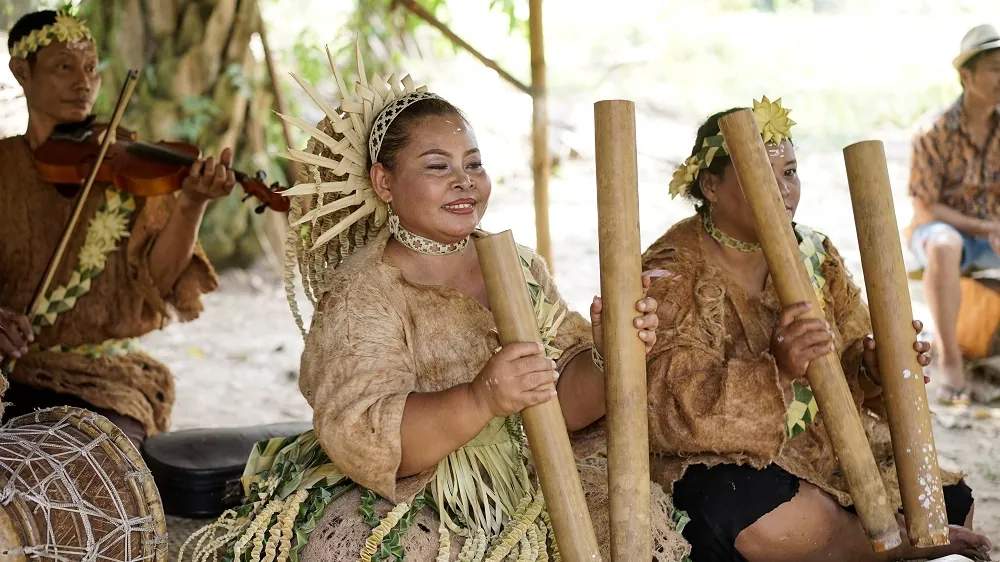
- Contrastingly, a hunter-gatherer group (the Tsimane of the Bolivian Amazon) and a rural population (the Orang Asli of Peninsular Malaysia) displayed markedly different inflammatory characteristics.
- Inflammation may be more closely related to environmental factors rather than merely a factor of aging.
Understanding Inflammaging
Inflammation serves as a critical mechanism in our immune response, essential for combating pathogens. However, unchecked inflammation can lead to tissue damage and is thought to exacerbate the aging process. The concept of inflammaging underscores the detrimental consequences of chronic inflammation as we age, influencing various age-related diseases.
Comparative Analysis of Inflammation
The researchers analyzed data from four datasets:
| Population | Inflammation Type | Correlation with Aging |
|---|---|---|
| InCHIANTI (Italy) | Chronic disease-driven | Strong |
| SLAS (Singapore) | Chronic disease-driven | Strong |
| Tsimane (Bolivia) | Acute inflammation (parasitic infections) | Minimal |
| Orang Asli (Malaysia) | Mixed infection & metabolic stress | Intermediate |
Environmental Context of Inflammation
Findings from the study emphasize the importance of environmental factors in shaping inflammation profiles:
- The Tsimane exhibited high levels of acute inflammation primarily attributed to parasitic infections, with inflammation levels decreasing with age.
- The Orang Asli demonstrated a mixed-profile inflammation score characterized by a high white blood cell count yet less correlation with parasitic infections.
“If you move any species to a new environment that it has not evolved with or adapted to, it will develop inflammation as a natural response.” – Dr. David Furman
Limitations of the Study
While the study provides valuable insights, it does have certain limitations, particularly regarding demographic differences:
- The two industrialized groups, InCHIANTI and SLAS, had a broad age range with means of 67.8 and 62.5 years, respectively.
- In contrast, the study on the Tsimane only included individuals aged 40 and older, which raises questions regarding the survivorship bias.
- The Orang Asli dataset had a significantly younger mean age of 40.6, suggesting that chronic low-grade inflammation typical in older populations might not yet dominate their profiles.
Implications of the Research
These findings compel a reevaluation of the concept of inflammaging. The results suggest that inflammation is not universally detrimental across all populations. Instead, it appears to be closely linked to the specific environmental and social conditions in which populations develop.
As lead author Alan Cohen, PhD, articulates, “These results point to an evolutionary mismatch between our immune systems and the environments we now live in.”
Future Directions in Inflammation Research
To effectively intervene and modify inflammatory pathways resulting from chronic diseases in industrialized settings, researchers need to:
- Investigate population-specific inflammatory responses.
- Develop tailored interventions that consider demographic and environmental contexts.
- Explore the potential for modifying inflammatory responses through lifestyle and public health initiatives.
Literature Cited
[1] Franck, M., et al. (2025). Nonuniversality of inflammaging across human populations. Nature Aging, OnlineFirst, 1-10.
[2] Li, X., et al. (2023). Inflammation and aging: signaling pathways and intervention therapies. Signal transduction and targeted therapy, 8(1), 239.
[3] Zhou, L., et al. (2022). Centenarians alleviate inflammaging by changing the ratio and secretory phenotypes of T helper 17 and regulatory T cells. Frontiers in Pharmacology, 13, 877709.









Discussion