

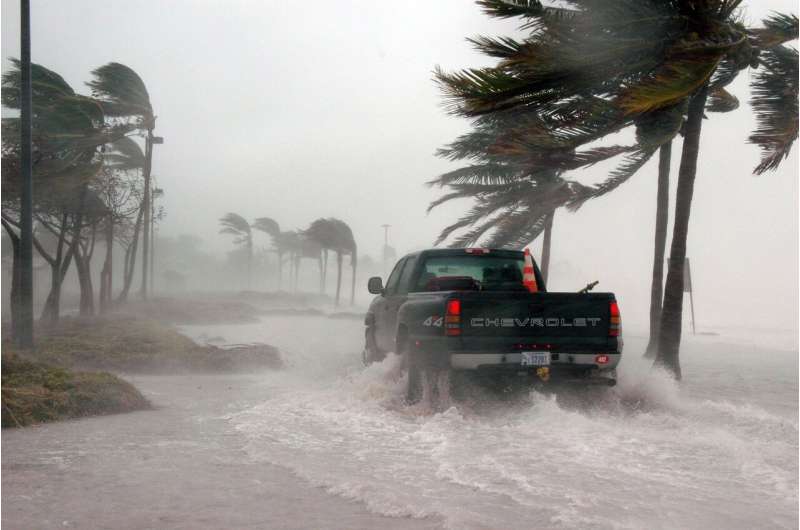
Recent research published in Frontiers in Public Health highlights a troubling finding regarding hurricane-related flooding and its long-term health ramifications for older adults. According to a study led by Dr. Arnab Ghosh, an assistant professor of medicine at Cornell University, residing in areas affected by hurricanes raises the mortality risk for older adults by an alarming 9% in the years following such natural disasters.
The Growing Threat of Hurricane Flooding
As climate change continues to exacerbate the frequency and severity of hurricanes, older populations are increasingly at risk. The study focuses specifically on the aftermath of Hurricane Sandy, which struck the northeastern United States in 2012. The hurricane caused extensive flooding, destruction of infrastructure, and resulted in over 100 fatalities. The long-term impacts of such catastrophes, particularly for the elderly who may lack adequate support systems, remain critically important for public health officials to understand.
Research Methodology
The researchers analyzed data from nearly 300,000 Medicare beneficiaries aged 65 or older, who resided in defined areas known as zip-code tabulation areas (ZCTAs) in New York State, New Jersey, and Connecticut. They specifically examined the mortality rates among those who continued to live in flood-affected ZCTAs between 2013 and 2017. The thorough analysis controlled for demographic factors including age, gender, race, socioeconomic status, and living conditions, which are crucial for understanding the nuanced impact of flood exposure on mortality.
Zip Code Analysis
The researchers categorized the selected areas into 959 ZCTAs, out of which 454 experienced significant flooding. Here’s a breakdown of the mortality risk based on different ZIP code categories:
| Region | Increased Mortality Risk | Comments |
|---|---|---|
| Connecticut | 19% | Highest increase in mortality risk; requires further investigation. |
| New York City | 8% | Substantial increase noted; socio-economic variables considered. |
| New Jersey & New York State | Minimal increase | No significant changes in mortality risk reported. |
Implications for Older Adults
The study emphasizes the immediate and long-term dangers that hurricanes pose, particularly for older adults. This population is already vulnerable due to pre-existing medical conditions, functional limitations, and declining cognitive abilities. The psychosocial effects of residing in unstable environments—such as loss of access to healthcare and disruptions in community support systems—compound these physical vulnerabilities.
Dr. Ghosh remarked, "Our findings underscore the importance of considering long-term health impacts of hurricane-related flooding on older adults. There is an urgent need to rethink disaster responses, particularly as adverse weather conditions become more frequent."
Conclusion: The Need for Specialized Disaster Responses
Given the serious implications of this study, it is clear that local and federal disaster response systems require nuanced approaches tailored to the specific needs of older populations affected by natural disasters. Key considerations include:
- Region-Specific Policies: Understanding local demographics including socioeconomic factors is essential in tailoring disaster response strategies.
- Infrastructure Improvements: Addressing vulnerabilities in public systems to provide better support post-disasters.
- Enhanced Healthcare Access: Facilitating continuity of care and emergency healthcare access for elderly residents in disaster-prone areas.
“As disasters hit the same regions repeatedly, comprehending the factors that elevate risks for vulnerable populations is crucial.” – Dr. Arnab Ghosh
Further Research Directions
Moving forward, the ongoing research will need to focus on understanding the regional differences that impact mortality risk following flooding. Continued investigations can help identify effective interventions and policy modifications to protect older adults in emergent scenarios.
References
1. Ghosh, A., et al. (2025). Long-term impacts of hurricanes on mortality in Medicare beneficiaries: Evidence from Hurricane Sandy. Frontiers in Public Health.
2. National Hurricane Center. (2025). Hurricane preparedness for older adults.
3. Centers for Disease Control and Prevention. (2021). Natural disasters and older adults: health considerations.









Discussion