

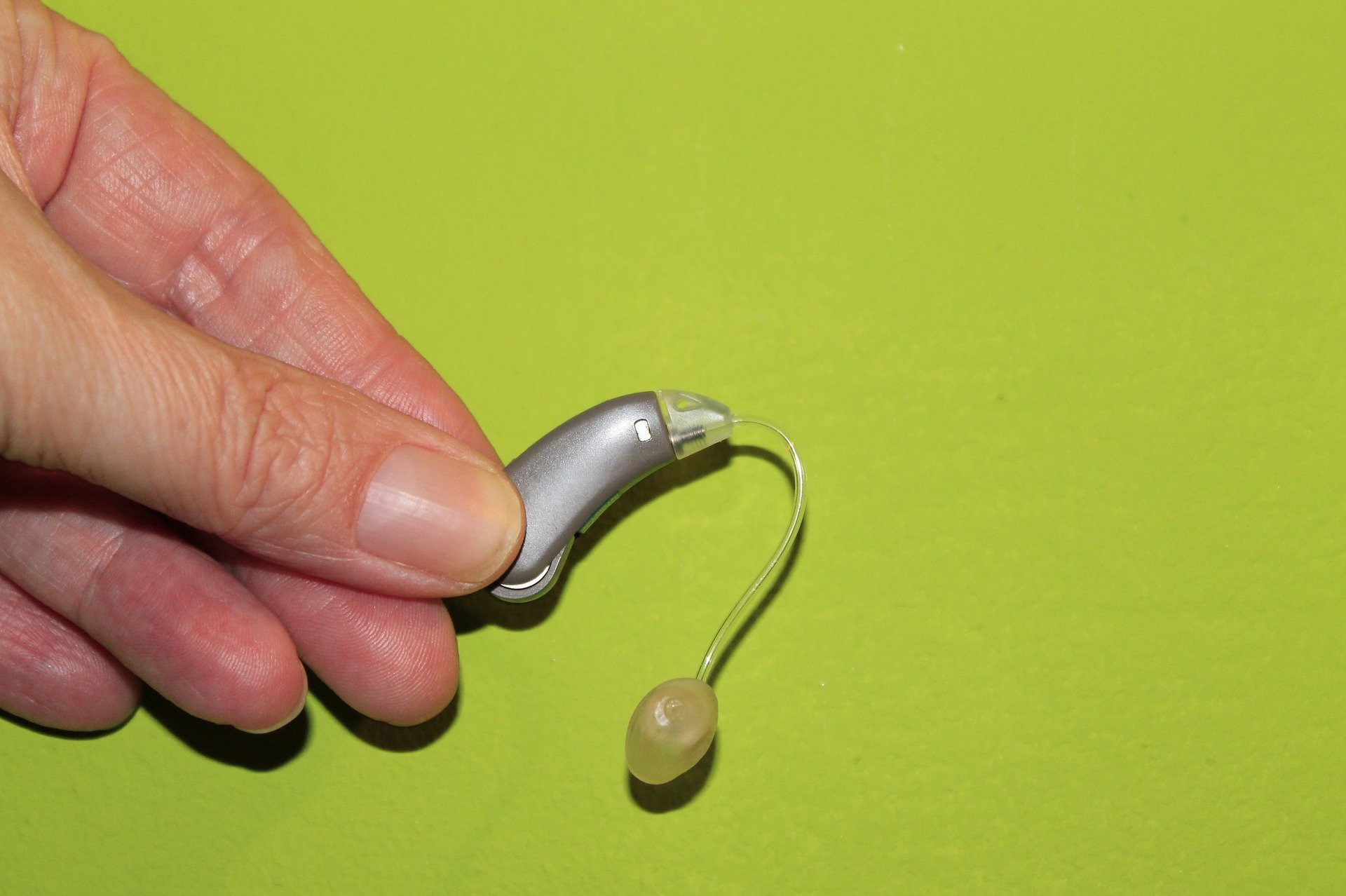
Addressing hearing loss among the elderly has become a significant focus in improving their quality of life and reducing social isolation. A recent study led by researchers at NYU Langone Health, published in the journal JAMA Internal Medicine, suggests that providing hearing aids and related counseling can help maintain important social connections, ultimately combating the loneliness epidemic that plagues many seniors in the United States.
The Context of Isolation in Seniors
According to the U.S. Centers for Disease Control and Prevention, over a quarter of seniors report having minimal or no contact with others, with one-third expressing feelings of loneliness. Experts have identified a strong correlation between hearing loss and social isolation, as impaired hearing can hinder effective communication and relationship-building.
In fact, the 2023 U.S. Surgeon General's Advisory prioritized improving social connections, equating its importance to tackling major health issues such as tobacco use and obesity.
Study Overview
The study, conducted as part of the ACHIEVE clinical trial, revealed compelling results about the impact of hearing interventions on social connectivity among older adults. The authors found that:
- Participants treated for hearing loss retained one additional social connection on average over three years compared to those who received no treatment.
- Those using hearing aids reported a more diverse network of relationships, characterized by various types of connections, including friends and acquaintances.
- The quality of relationships improved among participants receiving hearing care, indicating deeper and more meaningful bonds.
Key Findings and Implications
The research highlights the profound effect of addressing hearing loss on social interactions and overall well-being:
| Measure | Group with Hearing Care | Group without Hearing Care |
|---|---|---|
| Social Connections Retained | 1 additional connection | Baseline |
| Network Diversity | Higher quality relationships | Lower quality relationships |
| Loneliness Reduction | Slight improvement | Slight worsening |
These findings underscore the importance of incorporating hearing aid coverage into Medicare plans to address the growing issue of social isolation among the elderly, which poses significant health risks.
Study Design and Methodology
The study included nearly 1,000 participants aged 70 through 84 across multiple sites in Maryland, North Carolina, Minnesota, and Mississippi. Participants were randomly assigned to two groups:
- Treatment Group: Received hearing aids, counseling sessions, personalized instruction with an audiologist, and additional tools for enhanced hearing access.
- Control Group: Received no hearing aids but were educated on healthy aging and effective communication with healthcare providers.
To assess social isolation, researchers evaluated the frequency of social interactions and the size and diversity of participants' social networks. Loneliness was measured using a comprehensive 20-question scoring system to determine feelings of disconnection.
Future Directions
Ongoing follow-up with participants aims to further explore the long-term implications of hearing care on social networks and mental health. The research team plans to include a more diverse participant pool and compare results from different demographics to ensure broader applicability.
Concerns about the accessibility of high-quality hearing care are also noted, as participants received concierge-level services that may not be representative of standard care options.
“Making sure Americans can continue engaging with their family and friends as they age is a critical part of maintaining their quality of life.” – Dr. Josef Coresh, co-principal investigator of the ACHIEVE trial
Conclusion
The study provides vital insights into the relationship between hearing loss and social isolation, advocating for enhanced support for hearing care services in older adults. By addressing hearing loss, it is believed that policymakers can significantly impact the social wellbeing of the aging population.
References
[1] Reed, N. S., et al. (2025). Hearing Intervention, Social Isolation, and Loneliness: A Secondary Analysis of the ACHIEVE Randomized Clinical Trial. JAMA Internal Medicine.
[2] Centers for Disease Control and Prevention. (2023). Loneliness and Social Isolation Among Older Adults.
[3] Coresh, J., et al. (2025). Addressing social isolation through hearing care: An exploratory study. NYU Grossman School of Medicine.
[4] U.S. Surgeon General’s Advisory. (2023). The Importance of Social Connections.
For more information, visit the article [here](https://medicalxpress.com/news/2025-05-loss-isolation-elderly.html).









Discussion