

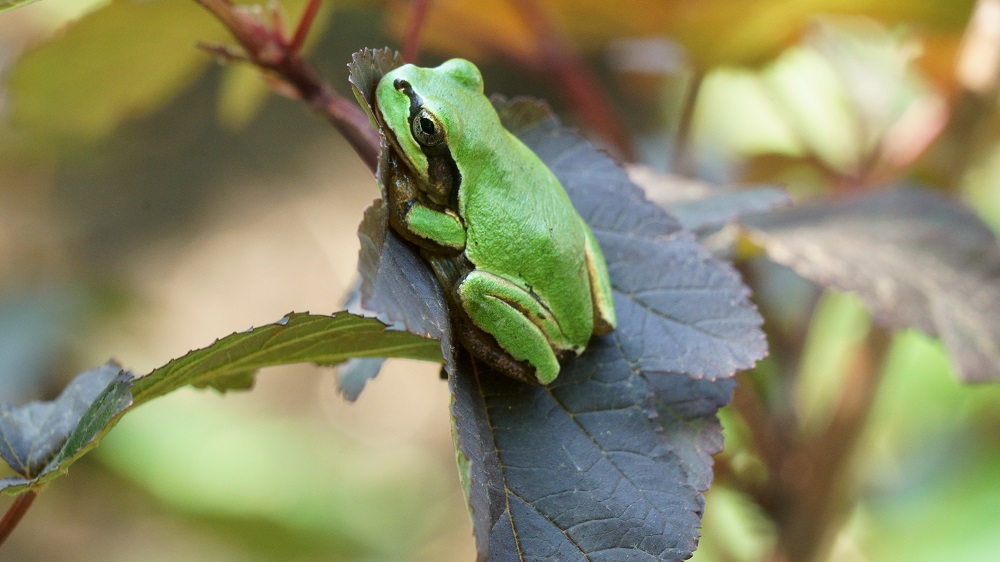
Recent research has unveiled a fascinating development in the treatment of colon cancer, where a bacterium derived from frogs has demonstrated remarkable efficacy in targeting cancer cells. This study, conducted by Prof. Eijiro Miyako and his team at the Japan Advanced Institute of Science and Technology (JAIST), highlights the potential of the microbiome in combating cancer.
The Study Overview
The research, published in Gut Microbes, investigates the use of specific bacteria isolated from amphibians and reptiles in combating human colon cancer in a mouse model. Notably, this approach utilizes microbes from species such as the Japanese tree frog (_Dryophytes japonicus_) and newts, potentially opening new avenues for cancer therapy.
Mechanism of Action
The study aimed to assess the anticancer properties of various bacterial strains. After screening multiple strains, the researchers selected nine for further evaluation in a subcutaneous colon cancer mouse model. Here are the significant findings:
| Bacterial Strain | Effectiveness | Survival Rate |
|---|---|---|
| Ewingella americana | 100% tumor eradication | All subjects survived until the end of the follow-up. |
| Other Strains | Some tumor progression slowdown | Varied; control group had 0% survival by day 30. |
This study indicated that while _E. americana_ exhibited exceptional antitumor capabilities, other strains were less effective, revealing that not all gut bacteria possess anticancer properties. The rapid and complete eradication of tumors in the mice treated with _E. americana_ is a significant step forward in cancer research.
Comparative Efficacy
In comparing _E. americana_ to established cancer treatments, such as PD-1L checkpoint blockade and the chemotherapy agent doxorubicin, the results were astounding. _E. americana_ surpassed these treatments, showcasing enhanced efficiency and safety.
| Treatment | Efficacy | Side Effects |
|---|---|---|
| Ewingella americana | Complete tumor eradication | No significant side effects observed |
| Doxorubicin | Partial tumor response | Notable side effects |
| PD-1L Blockade | Moderate effectiveness | Varying degrees of patient tolerance |
Immune Response Activation
One of the remarkable aspects of _E. americana_ is its ability to not only destroy cancer cells through direct cytotoxic actions via secreted toxins but also to stimulate the immune system. The bacterium recruits immune cells, including B cells, T cells, and neutrophils, which enhances the body's natural defense mechanisms against cancer.
“The bacterium efficiently infiltrates and proliferates within tumors, where it exerts direct cytotoxic effects while simultaneously activating immune cells (particularly T cells, B cells, and neutrophils) to effectively eliminate cancer cells through complementary mechanisms,” – Prof. Eijiro Miyako.
Limitations and Future Directions
While the findings are promising, the study acknowledges limitations, including the non-gastrointestinal model used and the need for further investigation into the effectiveness of _E. americana_ against different cancer types. Future research should focus on:
- Evaluating the efficacy of _E. americana_ in more complex cancer models.
- Exploring its potential synergistic effects with other therapeutics.
- Assessing its applicability in human clinical trials.
The emergence of using bacteria for cancer treatment marks an exciting frontier in oncology, with the potential to radically change treatment paradigms.
Conclusion
In conclusion, this study provides significant insight into the role of bacterial strains in cancer therapy. The ability of _E. americana_ to eradicate tumors and induce lasting immunity represents a major advancement in cancer research and opens the path toward future therapeutic innovations.
Literature Cited
[1] Iwata, S., Yamasita, N., Asukabe, K., Sakari, M., & Miyako, E. (2025). Discovery and characterization of antitumor gut microbiota from amphibians and reptiles: Ewingella americana as a novel therapeutic agent with dual cytotoxic and immunomodulatory properties. Gut Microbes, 17(1).
[2] Hou, K., Wu, Z.-X., Chen, X.-Y., et al. (2022). Microbiota in health and diseases. Signal Transduction and Targeted Therapy, 7, Article 135.
[3] Dutta, D., & Lim, S. H. (2020). Bidirectional interaction between intestinal microbiome and cancer: opportunities for therapeutic interventions. Biomarker Research, 8(1), 31.









Discussion