

A recent study published in Nature has brought to light a compelling mechanism by which faulty mitochondrial DNA (mtDNA) copying can contribute to a phenomenon known as inflammaging. This process, occurring in otherwise healthy aging tissues, signifies an increase in inflammatory responses that are not necessarily linked to infections but are detrimental to cellular and tissue health.
Key Findings of the Study
- Cells with an imbalance of RNA and DNA building blocks exhibit mitochondrial copying errors.
- The depletion of DNA building blocks has been associated with compromised mitochondrial replication.
- These disruptions result in heightened inflammaging and cellular senescence.
- Supplementing cells with additional DNA building blocks can mitigate these effects, resulting in decreased inflammation.
The study, conducted by scientists at the Max Planck Institute for the Biology of Ageing, underscores the critical importance of maintaining a proper balance of deoxyribonucleoside triphosphates (dNTPs) and ribonucleoside triphosphates (rNTPs), the building blocks for DNA and RNA respectively. This imbalance has significant implications for mitochondrial function and overall cellular health.
The Evolutionary Perspective of Mitochondria
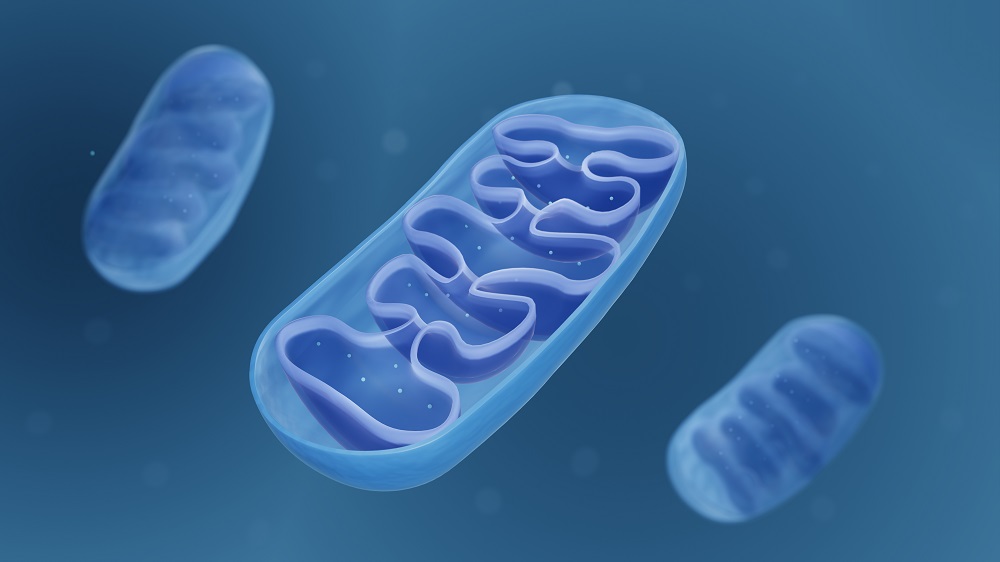
Mitochondria, often referred to as the powerhouses of the cell, have a fascinating evolutionary history. They are believed to have descended from bacteria that entered a primordial cell, establishing a symbiotic relationship which enhances cellular life as we know it today. However, their bacterial origins also pose challenges; when mtDNA escapes into the cytoplasm, its similarity to bacterial DNA can trigger an immune response, potentially leading to inflammation.
As organisms age, there is a well-documented increase in inflammaging, a chronic, sterile inflammation that contributes to age-related diseases and conditions. Although the mechanisms behind inflammaging are complex and not fully understood, this new research posits mtDNA leakage as a significant contributor to this process.
Mechanisms of Inflammaging Induction
The researchers established that low availability of dNTPs relative to rNTPs during mitochondrial replication led to the incorporation of incorrect building blocks (rNTPs) into mtDNA. This incorporation subsequently compromises the stability of the mitochondrial genome, leading to fragmented mtDNA. Such fragments can then escape into the cytosol, where they activate the inflammatory cGAS-STING pathway.
Experimental Insights
To explore this phenomenon, the researchers used a mouse model lacking MGME1, an essential enzyme for effective mtDNA replication. These mice naturally develop mtDNA leakage, coupled with an inflammatory response in their kidneys. The accelerated inflammation observed in these models correlates with increased mtDNA fragmentation, ultimately resulting in kidney disease and reduced lifespan.
Notably, researchers discovered that halting or slowing down mtDNA replication resulted in a decrease in the inflammatory response. This finding suggests that the inflammation originates from replication errors rather than merely ambient damaged mtDNA. Further deep-sequencing analyses revealed that frequent replication failures contributed to the notable mtDNA fragmentation observed.
Role of Nucleotide Balance in Aging and Senescence
In the study, the team investigated whether the rNTP:dNTP ratio became skewed in cells where mtDNA replication was compromised. This hypothesis was indeed validated: impaired replication led to a depletion of dNTPs due to multiple unsuccessful attempts. Additionally, the researchers demonstrated that enhancing dNTP availability by inhibiting the enzyme SAMHD1—responsible for depleting dNTPs—successfully restored nucleotide balance and dampened the immune response.
Implications for Cellular Senescence
The researchers further extended their findings to senescent human fibroblasts, known for their reduced RNR activity, the enzyme responsible for converting rNTPs into dNTPs. As expected, these cells displayed an elevated rNTP:dNTP ratio. By reintroducing deoxyribonucleosides to the senescent cells, they were able to reduce cytosolic mtDNA levels and lessen the production of inflammation-inducing molecules, without reversing the senescence process.
Normal Aging and Future Interventions
Significantly, the study also revealed that older, healthy mouse tissues exhibit a higher rNTP:dNTP ratio compared to their younger counterparts. This correlation offers insights into typical aging mechanisms and highlights potential avenues for anti-aging interventions.
“Our findings explain on a molecular level how metabolic disturbances can lead to inflammation in senescent cells and in aged tissue and open up new strategies for possible interventions.” – Prof. Thomas Langer, Lead Researcher
Future Directions
While therapies designed to administer DNA building blocks are already utilized for certain mitochondrial diseases, further research is required to establish their efficacy in alleviating age-related inflammation. Dr. David Sinclair, a noted geroscientist at Harvard, remarked on the study's significance, noting its potential to clarify why inflammation increases with age.
Conclusion
This groundbreaking research unveils critical insights into the molecular underpinnings of aging, suggesting that maintaining a balance of DNA and RNA building blocks may hold the key to mitigating inflammaging. Future studies focused on this area could pave the way for innovative anti-aging therapies aimed at promoting cellular health and longevity.
Literature Cited
- [1] Bahat, A., Milenkovic, D., Cors, E., Barnett, M., Niftullayev, S., Katsalifis, A., … & Langer, T. (2025). Ribonucleotide incorporation into mitochondrial DNA drives inflammation. Nature, 1-9.
- [2] Andersson, G. E., Karlberg, O., Canbäck, B., & Kurland, C. G. (2003). On the origin of mitochondria: a genomics perspective. Philosophical Transactions of the Royal Society of London. Series B: Biological Sciences, 358(1429), 165-179.
- [3] Hu, M. M., & Shu, H. B. (2023). Mitochondrial DNA-triggered innate immune response: mechanisms and diseases. Cellular & Molecular Immunology, 20(12), 1403-1412.
- [4] Franceschi, C., Garagnani, P., Vitale, G., Capri, M., & Salvioli, S. (2017). Inflammaging and ‘Garb-aging’. Trends in Endocrinology & Metabolism, 28(3), 199-212.









Discussion