

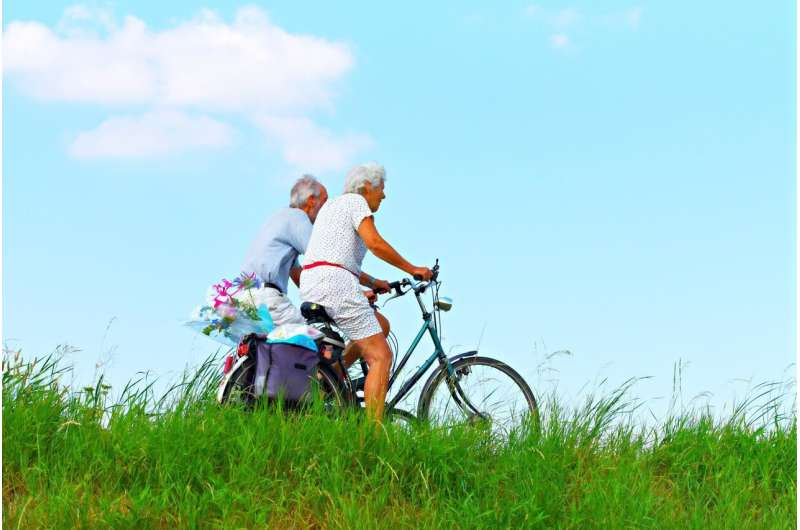
The importance of physical exercise extends far beyond the commonly understood benefits of muscular and cardiovascular strength. Recent research has illuminated a fascinating connection between regular physical exercise and the enhancement of the immune system. This article explores pivotal findings regarding endurance training, particularly within older adults, and its implications for immune function and aging.
Endurance Training and Immune Function
According to a study published in Scientific Reports, an international research team found that older adults with a history of endurance training exhibit significant benefits in their immune responses. The research focused on the functionality of natural killer (NK) cells, a type of lymphocyte essential for identifying and destroying infected or malignant cells.
The study analyzed the NK cells of nine individuals aged approximately 64 years, categorized into two groups: those who were endurance-trained and those who were untrained. The findings revealed that:
- Enhanced Adaptability: NK cells in trained individuals demonstrated improved adaptability and metabolic efficiency.
- Reduced Inflammation: Trained individuals exhibited lower levels of inflammatory markers, suggesting a more controlled inflammatory response.
- Better Immune Defense: Activity levels of NK cells were more robust in response to inflammatory challenges.
Mechanisms Behind the Findings
The researchers, led by Luciele Minuzzi from Justus Liebig University Giessen, posited that endurance exercise could "train" the immune system similarly to how it trains muscles. This concept stems from an understanding that exercise influences several factors that are crucial to immune health, including:
- Sleep Quality: Quality rest is essential for optimal immune function.
- Dietary Intake: A balanced diet enhances nutrient availability for immune cells.
- Stress Management: High stress levels can impair immune responses.
Investigation of NK Cells
The research conducted not only analyzed the NK cells in terms of their phenotype and function but also investigated their mitochondrial metabolism. A comparison of the effects of pharmacological blockers, including propranolol and rapamycin, on NK cells was performed. Key findings include:
| Pharmacological Blocker | Effect on NK Cells |
|---|---|
| Propranolol | Blocked adrenergic activation but immune function was maintained in trained individuals. |
| Rapamycin | Inhibited mTORC1 signaling; however, NK cells from trained adults displayed resilience against cellular exhaustion. |
Benefits of Lifelong Training
Further evidence from a separate study published in Frontiers in Immunology demonstrated that master athletes (individuals over 50 with extensive training histories) exhibited more regulated immune responses than younger athletes. Key findings include:
- Controlled Inflammatory Response: Master athletes showed regulated IL-6 and TNF-α production in response to inflammatory stimuli.
- Adaptation Over Time: Regular training led to heightened adaptability and reduced inflammatory episodes.
“Decades of performance training seem to 'train' the regulation of inflammation, avoiding exaggerated immune responses typically seen in younger populations.” – Luciele Minuzzi
Conclusion
The cumulative research underscores the profound impact of regular endurance training on the immune system, particularly in older adults. These findings advocate for regular physical activity as a cornerstone of healthy aging, providing insights into potential strategies to enhance immune health and mitigate chronic disease risks.
Further Reading and References
- Natural killer cells from endurance-trained older adults show improved functional and metabolic responses to adrenergic blockade and mTOR inhibition, Scientific Reports
- Differential inflammatory responses to acute exercise and ex vivo immune challenge in young and master athletes, Frontiers in Immunology
In conclusion, fostering an active lifestyle can yield significant health benefits, especially in terms of maintaining a resilient immune system as we age.









Discussion