

In a remarkable innovation in the field of neuro-oncology, researchers have been exploring the use of electric fields, specifically Tumor Treating Fields (TTFields), as a therapeutic strategy against glioblastoma, one of the most aggressive forms of brain cancer. Driven by findings from Dr. Matthew Hebb and his colleagues at Western University, this novel approach may transform how we treat this devastating disease.
Background
Over the past decade, the application of electrical stimulation therapies has gained traction primarily in neurological conditions such as Parkinson’s disease. Dr. Hebb, initially investigating deep brain stimulation (DBS) for Parkinson’s, adapted this concept to address glioblastoma. While DBS has been effective in controlling motor symptoms, it has not directly translated to effective glioblastoma treatments.
Mechanism of Action
TTFields work by creating alternating electrical fields that disrupt the mitotic process in cancer cells. This technique stalls cancer cell division and effectively hinders tumor growth without affecting adjacent healthy brain tissues. In studies, when applied effectively, TTFields have demonstrated a significant reduction in tumor sizes and improved survival rates for patients compared to traditional therapies.
Recent Findings
Clinical Trials and Results
Recent multicenter Phase 3 clinical trials, including contributions from Keck Medicine and Washington University, have indicated that the combination of TTFields with immunotherapy and chemotherapy resulted in a remarkable 70% increase in overall survival rates among glioblastoma patients.
For patients with larger and unresected tumors, the immune response induced by TTFields appears to be significantly more robust, suggesting that increased tumor size may offer more targets for therapy engagement.
Key Studies
| Study | Findings |
|---|---|
| USC Study (Keck Medicine) | Combined TTFields with immunotherapy resulted in a 70% increase in overall survival. |
| Washington University Study | TTFields shown to significantly slow tumor growth in newly diagnosed patients. |
Limitations
While promising, TTFields therapy is not without its challenges. The effectiveness may vary based on tumor size, location, and the biological characteristics of the tumor. Moreover, further studies are required to refine the delivery mechanisms and optimize patient responses.
Conclusion
The exploration of electric fields as a treatment for glioblastoma represents a pivotal advancement in neuro-oncology, potentially extending the lives of patients who previously faced daunting prognoses. This innovative approach may redefine therapeutic regimens in conjunction with traditional methods for greater efficacy.
Related Visuals
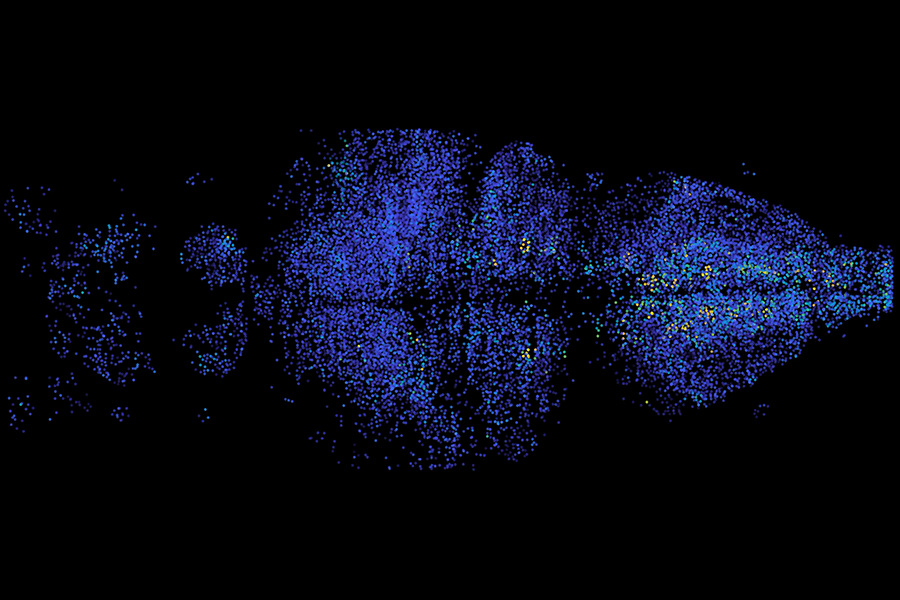
Image: An illustration depicting the application of electric fields in brain cancer therapy.
References
- USC study unlocks new potential treatment for glioblastoma - Clinical findings reveal TTFields show promise in enhancing survival for glioblastoma patients.
- Electromagnetic field therapy may improve glioblastoma survival - Research indicates significant survival improvements for glioblastoma patients treated with TTFields.
- Tumor treating induced fields: a new treatment option for patients with glioblastoma - An overview of the application of TTFields in glioblastoma therapy.
- Advanced tumor electric fields therapy - Review of innovative research on electric fields in glioblastoma treatment.





Discussion