

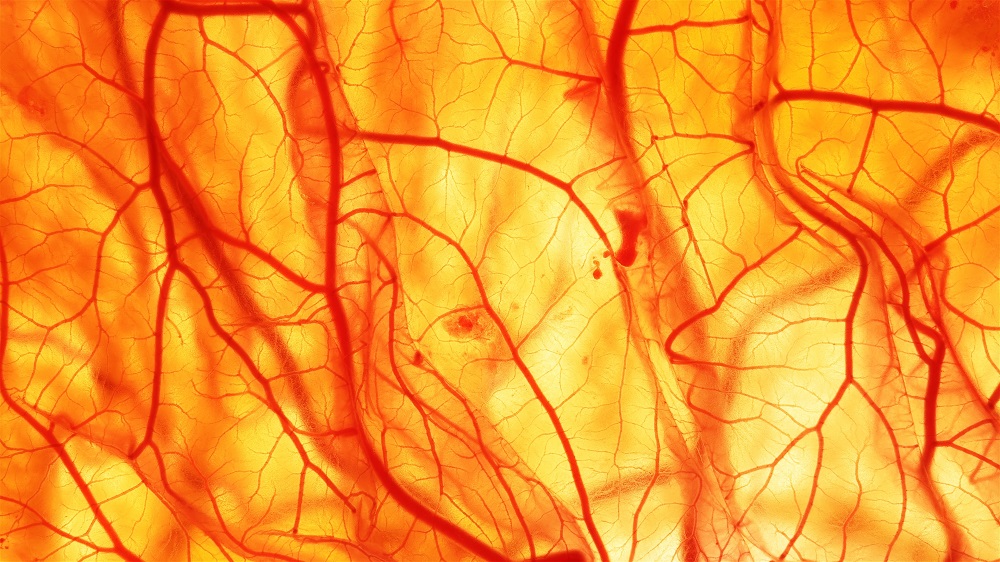
Recent research has uncovered compelling evidence regarding the role of mechanical forces in cellular biology, particularly focusing on the stiffness of collagen and its implications for senescent cells. As we delve into the connection between extracellular matrix (ECM) stiffness and cellular senescence, we will explore key findings from the study published on October 27, 2025.
An Unexplored Relationship
The aging process leads to a progressive accumulation of cross-linked collagens such as glucosepane, contributing to a stiffer ECM. This stiffness has long been recognized as a significant factor influencing cellular functions, particularly in vascular tissues. While senescent cells, which exhibit a loss of proliferative capacity and altered functional behavior, are extensively studied in the context of aging, the direct relationship between ECM stiffness and cellular senescence is less understood. This study aimed to bridge that gap by employing sophisticated modeling systems to effectively isolate stiffness effects from confounding variables.
Methodological Approach
To investigate this relationship, researchers utilized a hydrogel scaffold that allowed for manipulation of stiffness without affecting other cellular cues. By simulating various ECM conditions reflective of natural aging in mice, they created an experimental environment that enabled a direct assessment of how stiffness influences cellular behavior.
Key Experimental Findings
In the initial experiment, vascular endothelial cells (ECs) were cultured in a soft hydrogel for 48 hours before altering the stiffness levels:
- Soft ECM: Cells proliferated and formed extensive blood vessel networks.
- Moderate ECM: Vessel formation decreased significantly.
- Severe ECM: Minimal to no vessel formation observed.
The decline in vessel formation coincided with an increase in the expression of **CDKN1A** (p21) and **CDKN2A** (p16) genes, coupled with heightened levels of the senescence biomarker **SA-β-gal**. These changes suggest an activation of senescent pathways, but interestingly, the typical senescence-associated secretory phenotype (SASP) was markedly different.
Divergent SASP Trajectory Under Mechanical Stress
Unlike typical senescent cells, which secrete pro-inflammatory cytokines such as IL-6 and IL-8, the ECs under increased mechanical stress upregulated different cytokines, including IL-33, IL-1α, and IFN-γ. The researchers postulate that this indicates a novel *divergent SASP trajectory* influenced by ECM stiffness.
Further investigations revealed that the Notch signaling pathway was significantly activated with escalating stiffness. This pathway is known to intertwine with several senescence-associated mechanisms, but interestingly, markers related to another pathway, c-JUN, were unaffected by ECM stiffness, thereby elucidating the atypical SASP observed.
Inhibition of Notch via nirogacestat reinstated typical senescence behaviors, highlighting not only the role of stiffness in cellular senescence but also demonstrating potential therapeutic avenues for intervention.
Intrinsic Effects in Humans
The implications of this study extend into human health, particularly observed within synthetic breast implants that lead to localized fibrosis. RNA sequencing indicated that the fibrosis around implants activates Notch and senescence-associated pathways in the surrounding ECs. This relationship raises significant concerns as it suggests that mechanical properties of ECM may instigate further progression of fibrosis.
Impact of ECM Stiffness on Cellular Senescence
| Variable | Observation |
|---|---|
| ECM Stiffness | Soft ECM promotes cell proliferation and vessel formation. |
| Moderate ECM | Cell growth is significantly inhibited with reduced vessel formation. |
| Severe ECM | Almost no cell proliferation or vessel network formation occurs. |
Implications for Interventions
The findings indicate that ECM stiffness serves as a pivotal factor in cellular senescence. Addressing mechanical stiffness through targeted therapies, including glucosepane blockers, could yield beneficial outcomes not only for mitigating tissue stiffness but also for preventing the onset of fibrosis and cellular aging.
This research underscores the necessity of further studies to validate the relationship between ECM stiffness and senescence, which could transform our understanding of aging and fibrosis-related diseases.
“Understanding the mechanical influences of the extracellular matrix on cellular health is vital for developing therapeutic strategies aimed at reversing or preventing age-related disease processes.” – Josh Conway, Lead Researcher
Literature Cited
[1] Selman, M., & Pardo, A. (2021). Fibroageing: An ageing pathological feature driven by dysregulated extracellular matrix-cell mechanobiology. Ageing Research Reviews, 70, 101393.
[2] Schnellmann, R., et al. (2022). Stiffening matrix induces age‐mediated microvascular phenotype through increased cell contractility and destabilization of adherens junctions. Advanced Science, 9(22), 2201483.
[3] Wang, E. Y., et al. (2022). Intersection of stem cell biology and engineering towards next generation in vitro models of human fibrosis. Frontiers in Bioengineering and Biotechnology, 10, 1005051.
For more detailed information on this topic, feel free to visit the Lifespan Research Institute.









Discussion