

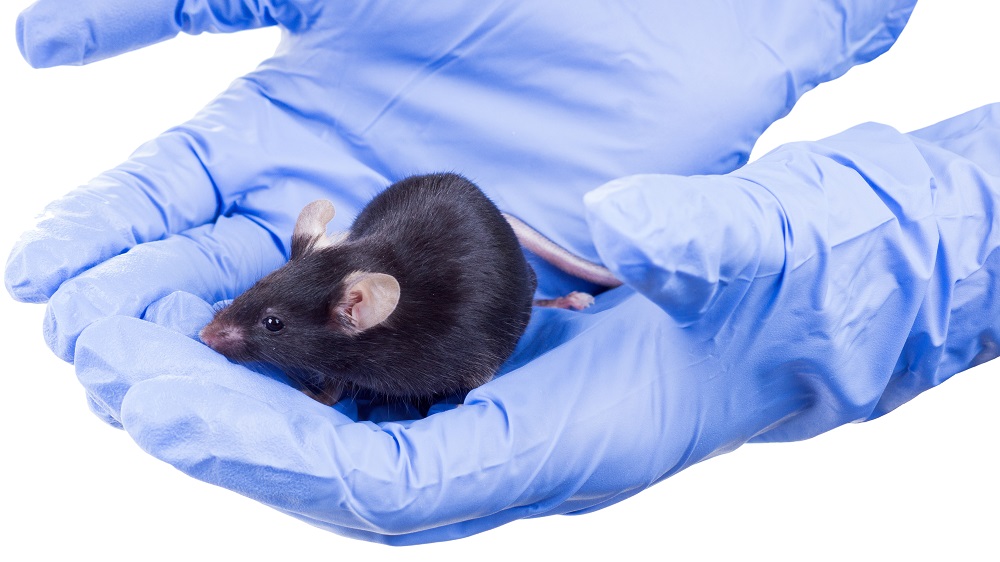
The recent findings from a study published in Aging have opened new avenues in the quest for longevity, particularly focusing on the impact of specific drug combinations on the lifespan of male mice. Researchers from the Conboy lab in Berkeley discovered that elderly male mice who received a combination of oxytocin and a TGF-β inhibitor exhibited a significantly extended lifespan compared to control groups. In this article, we will delve into the details of the study, highlighting the key findings, implications, and potential for future research.
A Combination with Systemic Effects
The research team began their investigation by reviewing existing longevity interventions and their associated drawbacks. Notably, rapamycin, a known longevity enhancer, has been linked to cancer development. Similarly, while the addition of trametinib to rapamycin mitigates cancer risks, it simultaneously inhibits mTOR, crucial for stem cell function and brain health. The laboratory also referenced interventions involving interleukin IL-11, which, though extending lifespan, raise concerns due to their relationship with severe diseases and ovarian health.
Building on previous work involving therapeutic plasma exchange (TPE) — which removes age-related compounds from the bloodstream — the researchers sought to mimic TPE's benefits without the invasive methods it entails. They focused on two promising agents: oxytocin, known for its roles in healing and metabolism, and A5i, a compound that curtails the age-related increase of TGF-β, associated with inflammation and fibrosis. Their earlier studies indicated that the combination of these two agents, referred to as OT+A5i, successfully rejuvenates tissues, prompting further exploration into its potential for lifespan extension.
Sex-Dependent Effects
The lifespan experiment encompassed four groups of old male and female mice, each receiving either OT+A5i or serving as controls. Male mice demonstrated remarkable lifespan improvements, showing a 14% increase measured from birth, but a staggering 74% increase when considering the duration of treatment. Six months post-treatment, over 75% of treated male mice survived, while only about a third of the control males were alive at that time.
In contrast, female mice did not exhibit any lifespan benefits from the OT+A5i combination. Their survival rates mirrored those of the control group, and there was an indication of a trend towards reduced lifespan.
Effects on Healthspan
Beyond lifespan gains, the OT+A5i combination positively influenced healthspan, delaying the onset of frailty in male mice. Key assessments included:
- Vision: Enhanced ability to recognize novel objects.
- Gait: Improved performance on gradually accelerating treadmills.
- Physical ability: Prolonged limb hanging durations.
Across these metrics, treated male mice exhibited superior health relative to their untreated counterparts. However, similarly to lifespan outcomes, female mice did not show any significant improvement in healthspan indicators.
Short-term Effects on Females
The researchers noted that both male and female mice exhibited a short-term positive reaction to OT+A5i, including a shift towards a more youthful protein balance and a decrease in proteomic noise. However, while these effects persisted in male mice, they diminished in female mice after approximately four months.
Given those parameters, the team proposed that oxytocin, already approved by the FDA for clinical use, along with A5i's promising preliminary trials, merits further investigation through clinical trials. These trials could evaluate the potential effects of this combination on lifespan and healthspan in older men.
Conclusion
This innovative research highlights significant implications for extending lifespan through pharmacological interventions, particularly emphasizing the distinct biological responses between male and female mice. The findings may steer future studies towards safer, more effective aging therapies while contributing to a better understanding of sex differences in response to treatment.
Literature Cited
| Reference | Title | Source |
|---|---|---|
| [1] | Bjedov, I., & Rallis, C. (2020). The target of rapamycin signalling pathway in ageing and lifespan regulation. | Genes, 11(9), 1043. |
| [2] | Bitto, A., et al. (2016). Transient rapamycin treatment can increase lifespan and healthspan in middle-aged mice. | elife, 5, e16351. |
| [3] | Gkioni, L., et al. (2025). The geroprotectors trametinib and rapamycin combine additively to extend mouse healthspan and lifespan. | Nature Aging, 1-17. |
| [4] | Garza-Lombó, C., et al. (2018). mTOR/AMPK signaling in the brain: Cell metabolism, proteostasis and survival. | Current opinion in toxicology, 8, 102-110. |
| [5] | Widjaja, A. A., et al. (2024). Inhibition of IL-11 signalling extends mammalian healthspan and lifespan. | Nature, 632(8023), 157-165. |
For further insights and updates on groundbreaking research, please consider supporting independent journalism by contributing to our non-profit foundation, thereby aiding in the dissemination of valuable scientific knowledge for all.









Discussion