

New Gene Therapy Robustly Lowers LDL and Triglycerides
By Arkadi Mazin
Published on November 11, 2025
A promising new CRISPR-based therapy appears to significantly reduce levels of a protein linked to elevated cholesterol, potentially providing an effective solution for managing lipid levels. This approach has shown benefits in addressing both high low-density lipoprotein (LDL) cholesterol and triglycerides, based on a recent Phase 1 study featuring a limited participant pool.
Addressing the Adherence Problem
Elevated levels of LDL cholesterol (LDL-C) and triglycerides are a primary risk factor for cardiovascular disease and mortality. These conditions can arise from a variety of factors including genetic predispositions, other health issues like hypothyroidism and diabetes, and environmental influences such as contemporary dietary habits. Notably, dyslipidemia is also associated with aging, as LDL-C levels generally increase among older individuals.
While effective therapies exist, such as statins which are frequently prescribed for lowering cholesterol and reducing cardiovascular risks, problems with patient adherence and side effects persist. Many individuals discontinue their medication within a year due to these issues.
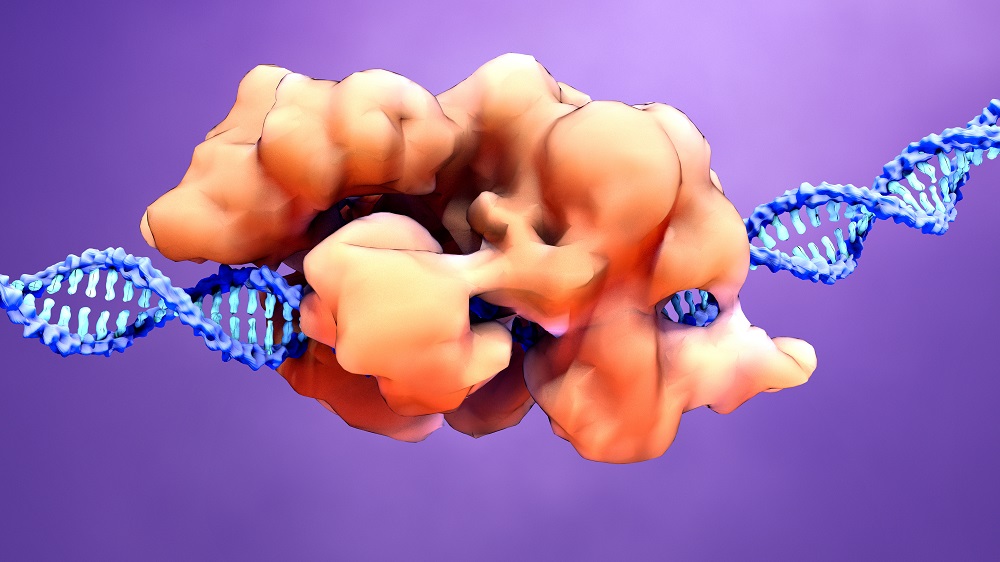
The study in question involved CRISPR Therapeutics testing an investigational gene therapy, referred to as CTX310, designed to address abnormally high LDL-C and triglyceride levels. This innovative therapy works by silencing the production of ANGPTL3, a liver-secreted protein that inhibits key enzymes responsible for breaking down triglycerides and remodeling high-density lipoprotein (HDL). Consequently, elevated ANGPTL3 levels correlate with increased circulating triglycerides and cholesterol in the bloodstream.
LDL and Triglycerides Halved
This multicenter, open-label, single-ascending-dose study was conducted across sites in Australia, New Zealand, and the UK. It included 15 adults suffering from uncontrolled hypercholesterolemia, hypertriglyceridemia, or mixed dyslipidemia. The median age of participants was 53 years (with a range from 31 to 68 years), 87% were male, 40% had a history of atherosclerotic cardiovascular disease, and 40% had familial hypercholesterolemia.
| Characteristic | Value |
|---|---|
| Median Age | 53 |
| Male Participants (%) | 87 |
| History of Atherosclerotic Disease (%) | 40 |
| Familial Hypercholesterolemia History (%) | 40 |
The therapy involved administering a single intravenous infusion containing the elements of the CRISPR system (SpCas9 mRNA + a guide RNA targeting ANGPTL3), encapsulated in lipid nanoparticles (LNPs). The follow-up period spanned 60 days prior to the release of results, with a one-year continuation phase planned.
The treatment demonstrated remarkable efficacy, significantly lowering average ANGPTL3 levels, achieving reductions of up to 79.7% with the 0.7 mg/kg dose. At the 0.8 mg/kg dosage, ANGPTL3 levels decreased by 73.2%. Importantly, mean LDL-C levels dropped by 48.9% and triglyceride levels by 55.2% at this dosage.
The evolutionary role of ANGPTL3 remains an intriguing question, as its silencing seems advantageous today. It may have originally aided our ancestors in managing large food intakes without overloading their cardiovascular systems.
Waiting for More Robust Studies
The trial displayed a favorable safety profile for CTX310, with minimal adverse events noted and no dose-limiting toxicity observed. However, some variability in lipid-lowering outcomes was evident among participants administered the same dose.
Researchers indicated that this variability was likely influenced by factors such as hepatic steatosis, inflammation, and individual genetic/metabolic profiles. The cohort demonstrated a spectrum of dyslipidemic conditions, encompassing both high LDL-C and triglycerides, contributing to differing responses even at uniform dosages.
Despite the findings, the small sample size of only 15 participants, where 2-4 received each dose, inherently limits statistical power. The principal aim of this Phase 1 trial focused on safety, while subsequent trials are anticipated to yield more definitive efficacy insights.
Moreover, the overwhelmingly male demographic of the study presents challenges in generalizability, as known sex differences in lipid biology exist that may affect intervention outcomes.
“Adherence to cholesterol-lowering therapy is one of the biggest challenges in preventing heart disease... A one-time treatment with lasting effects could revolutionize clinical practice.” – Steven E. Nissen, M.D., FAHA
Literature
- Laffin, L. J., et al. (2025). Phase 1 Trial of CRISPR-Cas9 Gene Editing Targeting ANGPTL3. New England Journal of Medicine.
- Yanai, H., & Yoshida, H. (2021). Secondary dyslipidemia: its treatments and association with atherosclerosis. Global Health & Medicine.
- Liu, H. H., & Li, J. J. (2015). Aging and dyslipidemia: a review of potential mechanisms. Ageing Research Reviews.
- Palmisano, B. T., et al. (2018). Sex differences in lipid and lipoprotein metabolism. Molecular Metabolism.
The advancement of gene therapy for lowering cholesterol levels offers hope for tackling cardiovascular risk, especially considering the challenge of patient adherence in conventional therapies. Continued exploration in larger and more diverse populations will be critical to unlocking the full potential of CTX310 and similar approaches.









Discussion