

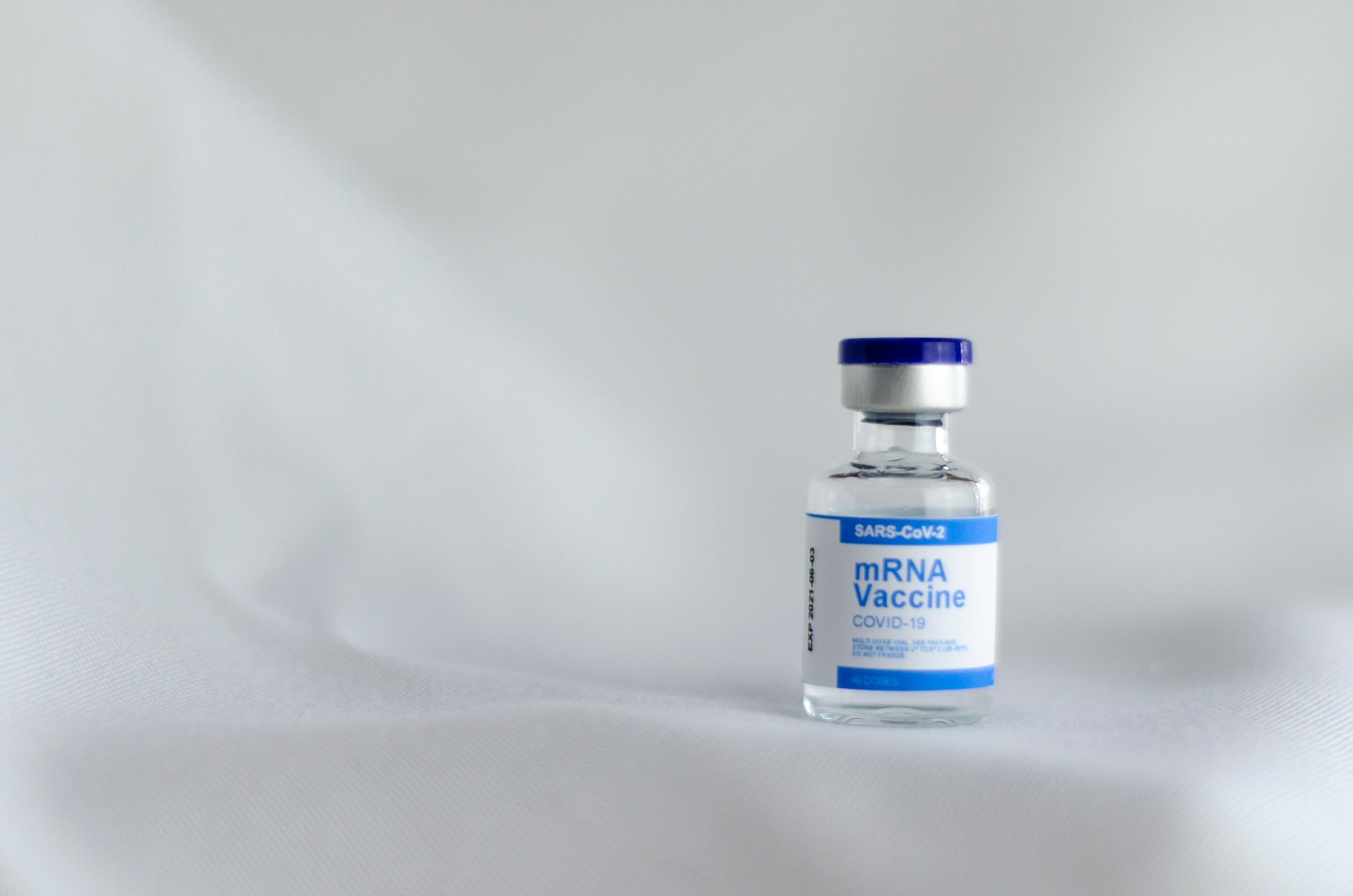
A recent study conducted at Cornell University has made a significant advancement in the field of mRNA vaccine technology by proposing a novel approach to enhance the delivery and efficacy of these vaccines. This research, documented in the journal Nature Materials, focuses on replacing a commonly used ingredient in lipid nanoparticles that has been associated with triggering adverse immune responses in certain individuals.
The Importance of mRNA Vaccines
mRNA vaccines have gained notable attention for their ability to instruct cells to produce proteins that combat viral infections, particularly in the context of the COVID-19 pandemic. Their effectiveness in mitigating the severity of COVID-19 has led to widespread adoption, making enhancements to their delivery mechanisms critically important.
The standard method for delivering mRNA into cells involves encapsulating it within lipid nanoparticles—small fatty spheres designed to protect the fragile mRNA strands from degradation. Despite their utility, these lipid nanoparticles often include polyethylene glycol (PEG), a component that can elicit immune reactions in a subset of the population, thus necessitating the search for more biocompatible alternatives.
A New Solution: Replacing PEG with PCB
Professor Shaoyi Jiang and his research team are pioneering the substitution of PEG with a more adaptable material known as poly(carboxybetaine) (PCB). This zwitterionic polymer offers several advantages:
- Improved Biocompatibility: Unlike PEG, PCB is less likely to provoke an immune response.
- Stealth Properties: PCB's water-loving (super-hydrophilic) nature allows it to blend seamlessly into bodily fluids, improving the integration and delivery of mRNA.
- Enhanced Stability: The nanoparticles maintain enough stability to protect mRNA while still permitting release within target cells.
Jiang emphasized that many individuals already possess anti-PEG antibodies due to frequent exposure to PEG in commercial products, which complicates vaccine efficacy. The switch to PCB aims to mitigate these issues.
Evaluating the Performance of PCB-based Nanoparticles
The research highlights the effectiveness of PCB-based lipid nanoparticles, demonstrating their capability to deliver mRNA vaccines without inciting unwanted immune reactions. This is particularly crucial for mRNA vaccines designed for applications in cancer therapy, where a more robust immune response is necessary to combat tumor environments that typically suppress immune activities.
| Parameter | PEG-based Nanoparticles | PCB-based Nanoparticles |
|---|---|---|
| Immune Response Triggering | Higher incidence of adverse reactions | Significantly reduced reactions |
| Stability | Stable but less compatible | Highly stable and compatible |
| Delivery Efficiency | Moderate | Enhanced |
Clinical Implications
As Jiang collaborates with institutions such as Weill Cornell Medicine, Houston Methodist Cancer Center, and others, there is a clear path forward to translate this scientific innovation into clinical applications. The implications of using PCB in mRNA vaccines include:
- The potential for more effective cancer immunotherapy by ensuring that higher doses of vaccines can be administered without triggering harmful immune responses.
- Improved patient experience and outcomes as the risk of severe adverse reactions diminishes.
- A broader acceptance and utilization of mRNA vaccines in various therapeutic areas beyond infectious diseases.
“With a virus like COVID-19, you only need a tiny vaccine dose, and our immune system responds. However, for cancer vaccines, the tumor environment suppresses the immune response, necessitating higher doses to be effective,” – Professor Shaoyi Jiang
In summary, this innovative use of zwitterionic polymers in lipid nanoparticles heralds a new era in mRNA vaccine development, bridging the gap between effective treatment and patient safety.
References
For further reading, refer to the publication in Nature Materials (2025). The full details can be accessed through the following link: Nature Materials Article.









Discussion