

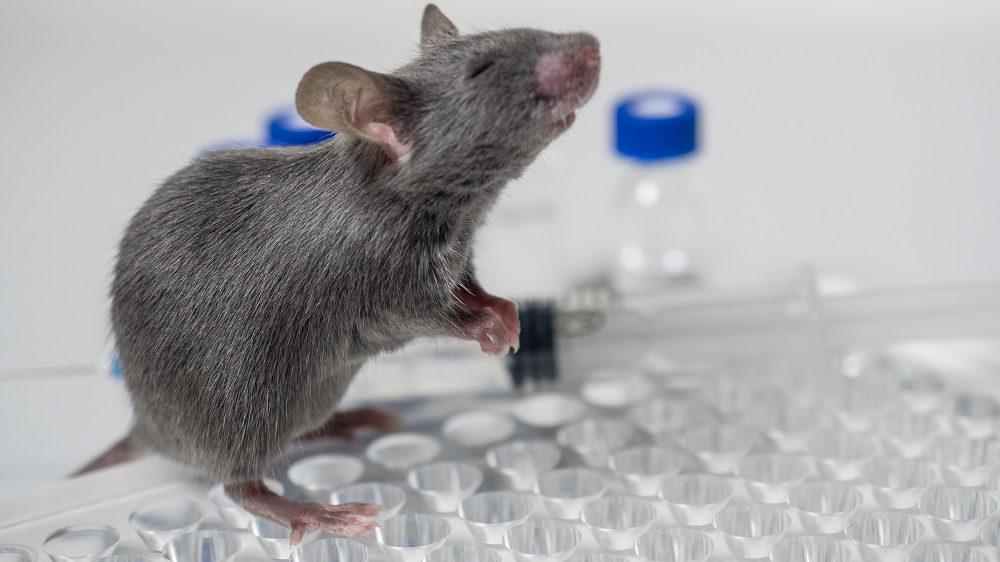
Recent findings from the Interventions Testing Program (ITP) have revealed significant results in the search for compounds that extend lifespan in mice. This program, administered by the National Institute on Aging, employs rigorous testing standards to ensure reproducibility across multiple locations, strengthening the credibility of the findings.
Overview of the Study
The ITP identified three new compounds that successfully increase lifespan in male mice. Notably, these compounds work through distinct mechanisms. The study, published in a highly regarded peer-reviewed journal, sheds light on the importance of sex-specific differences in aging research.
- Study Date: October 15, 2025
- Key Compounds: Epicatechin, Halofuginone, Mitoglitazone
- Subjects: Genetically heterogeneous mice
The Rigorous Testing Protocol
The ITP employs a unique methodology for testing lifespan-extending compounds. Rather than relying on a single laboratory for experiments, the ITP conducts simultaneous testing across three research institutions: the Jackson Laboratory, the University of Michigan, and the University of Texas Health Science Center at San Antonio. This approach not only enhances the reproducibility of results but also employs genetically diverse mouse populations, eliminating biases associated with inbred strains, thereby increasing the applicability of findings across different genetic backgrounds.
Measured Compounds
The compounds evaluated in this study include:
| Compound | Median Lifespan Increase | Maximal Lifespan Increase | Significance |
|---|---|---|---|
| Epicatechin | ~5% | ~6% | Significant in pooled data |
| Halofuginone | ~9% | ~7% | Significant in one site only |
| Mitoglitazone | ~9% | None | No significance |
Implications on Lifespan Extension
Among the findings, epicatechin, which is primarily derived from cocoa, showed promising results with a median lifespan increase of approximately 5%. However, it is important to note that this positive effect was exclusive to male subjects. The researchers speculate that the underlying mechanism for this compound could involve improvements in mitochondrial function and angiogenesis, although further experimentation is necessary to validate these hypotheses.
Halofuginone presented similar outcomes, with an increase in median lifespan of about 9% among male mice. Researchers have suggested its anti-inflammatory properties or its mimicry of amino acid restriction as possible mechanisms behind its efficacy. However, once again, the effects were not observed in female mice.
On the other hand, mitoglitazone demonstrated a unique effect profile, enhancing median lifespan by 9% in males but with no notable differences in survival rates across genders. Notably, the compound showed a trend towards a shortened lifespan in females.
Male-Specific Effects in Aging Research
The observed male-specific efficacy reinforces the need for sex inclusion in aging studies. The data derived from the ITP consistently indicates that many compounds show more substantial beneficial effects on male subjects compared to females. In fact, among the 14 effective longevity-inducing compounds tested by the ITP, eight exhibited male-specific outcomes.
“This discrepancy emphasizes the importance of incorporating female subjects in aging research to ensure comprehensive understanding and application of these findings.” – Research Author
Limitations and Future Directions
While the ITP has identified several compounds with potential for lifespan extension, it is critical to recognize the limitations of the study:
- Not all tested compounds demonstrated statistically significant impacts on lifespan.
- The survival benefits were mainly observed in male mice, highlighting a gap in understanding female responses.
The authors suggest future studies should focus on:
- Investigating the specific mechanisms of action behind successful compounds.
- Testing various dosages of compounds like forskolin that exhibited potential but did not reach significance.
- Understanding how age affects drug metabolism, which could explain variations in effectiveness across different ages.
Conclusion
This study by the ITP represents a significant advancement in exploring lifespan-extending compounds, particularly regarding their male-specific efficacy. The findings underscore the necessity of further research into gender-based biological mechanisms of aging and longevity.
References
[1] Strong, R., et al. (2025). Extension of lifespan by epicatechin, halofuginone and mitoglitazone in male but not female genetically heterogeneous mice. GeroScience, 10.1007/s11357-025-01881-6.
[2] Nadon, N. L., et al. (2008). Design of aging intervention studies: the NIA interventions testing program. Age (Dordrecht, Netherlands), 30(4), 187–199.









Discussion