

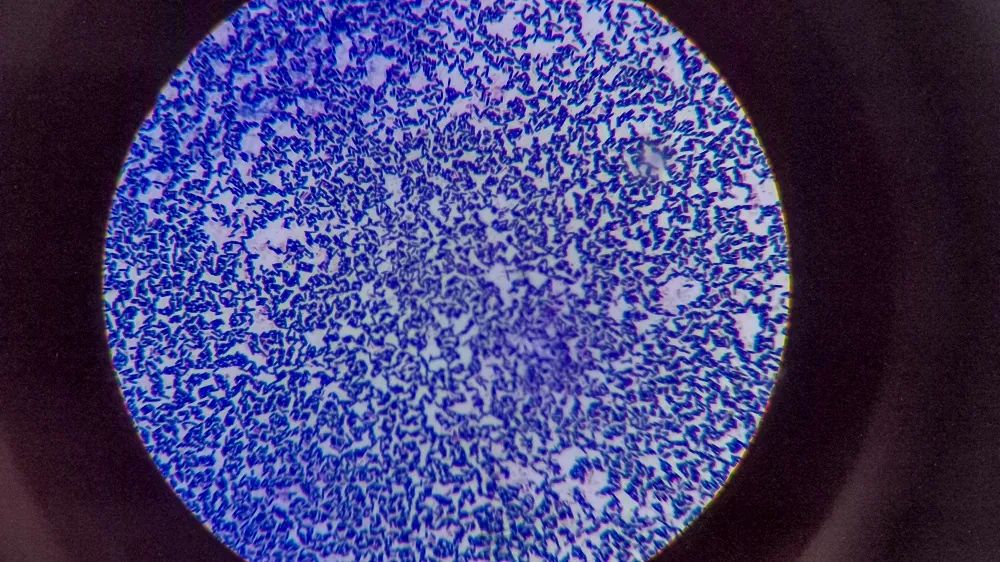
A recent comprehensive review published in Immunity & Ageing has drawn significant attention towards the role chronic infections play in driving cellular senescence, which in turn has implications for aging and overall health. Chronic infections, while often overlooked, can induce harmful biological processes that contribute to aging and tissue damage. In this article, we explore the intricacies of these relationships, detailing how persistent pathogens can lead to cellular senescence through various mechanisms.
Chronic Infections: A Silent Threat
While acute infections like the common cold and COVID-19 are widely recognized and treated, chronic infections often escape the public consciousness. These infections can persist in the body long after the initial exposure, rarely causing obvious symptoms, yet they harbor the potential for significant long-term harm.
Notable examples of chronic infections include:
- Epstein-Barr Virus (EBV) – Affects 90-95% of adults and remains in the body indefinitely.
- Cytomegalovirus (CMV) – Prevalence believed to exceed 80% in adults.
- Helicobacter pylori – Found in nearly half of the global population.
This continuous presence of pathogens can lead to chronic inflammation and immunosenescence, both integral aspects of aging. Despite their stealthy nature, chronic infections are increasingly recognized for their role in serious conditions, including syndromes like “long COVID” [3].
Mechanisms of Senescence Induction
The researchers detail how various pathogens—including viruses, bacteria, and protozoans—can serve as potent inducers of cellular senescence.
Viral Infections
Persistent viral infections can initiate cellular aging via several pathways:
- Induction of cell cycle arrest.
- Accumulation of DNA damage.
- Chronic secretion of pro-inflammatory cytokines.
For example, the hepatitis C virus (HCV) is known to upregulate senescence markers in liver cells, which contributes to premature aging. The human cytomegalovirus (HCMV) and human immunodeficiency virus (HIV) also promote senescence through various mechanisms, including cytokine secretion that worsens inflammation.
Bacterial Infections
Certain bacterial strains are also recognized for their role in driving cellular senescence. For instance:
- Escherichia coli can induce senescence through DNA damage caused by its toxin colibactin, promoting elevated levels of pro-inflammatory cytokines.
- Helicobacter pylori leads to genomic instability and oxidative stress, shortening telomeres and promoting chronic inflammation.
Chronic infection with Mycobacterium tuberculosis is associated with persistent inflammation and increased epigenetic age.
Protozoan Infections
Protozoan parasites, such as Toxoplasma gondii and Plasmodium, also contribute to cellular senescence:
- Toxoplasma gondii has been linked to oxidative stress and increased senescence markers.
- Plasmodium infection diminishes telomere length and promotes inflammatory responses in affected individuals.
Table of Chronic Infections and Their Effects on Senescence
| Pathogen | Mechanism of Induction | Type of Senescence Induced |
|---|---|---|
| Hepatitis C Virus | Upregulation of senescence markers | Hepatic senescence |
| Cytomegalovirus | Increased SASP factors | Fibroblast and renal cell senescence |
| Helicobacter pylori | Oxidative stress | Genomic instability and inflammation |
Treating Chronic Infections: A Potential Pathway to Longevity
This review invites researchers and healthcare professionals to reconsider the impact of chronic infections on longevity. By treating these persistent pathogens, we may be able to mitigate their effects on cellular senescence and potentially slow the aging process.
As the authors conclude, the significance of chronic infections in the aging process cannot be understated. The interconnected nature of chronic infections and cellular senescence urges further investigation into therapeutic strategies that target these hidden health risks.
Call to Action
As a non-profit foundation dedicated to advancing research and knowledge in this field, we rely on the support of our community. Every contribution helps sustain independent journalism and spreads awareness about critical health issues, like the relationship between chronic infections and aging. Your support matters.
Literature Cited
- Johnson, A., et al. (2025). The impacts of chronic infections on shaping cellular senescence. Immunity & Ageing, 22(1), 37.
- Naghavi, M., et al. (2024). Global burden associated with 85 pathogens in 2019. The Lancet Infectious Diseases, 24(8), 868-895.
- Peluso, M. J., et al. (2023). Chronic viral coinfections differentially affect the likelihood of developing long COVID. The Journal of Clinical Investigation, 133(3).









Discussion