

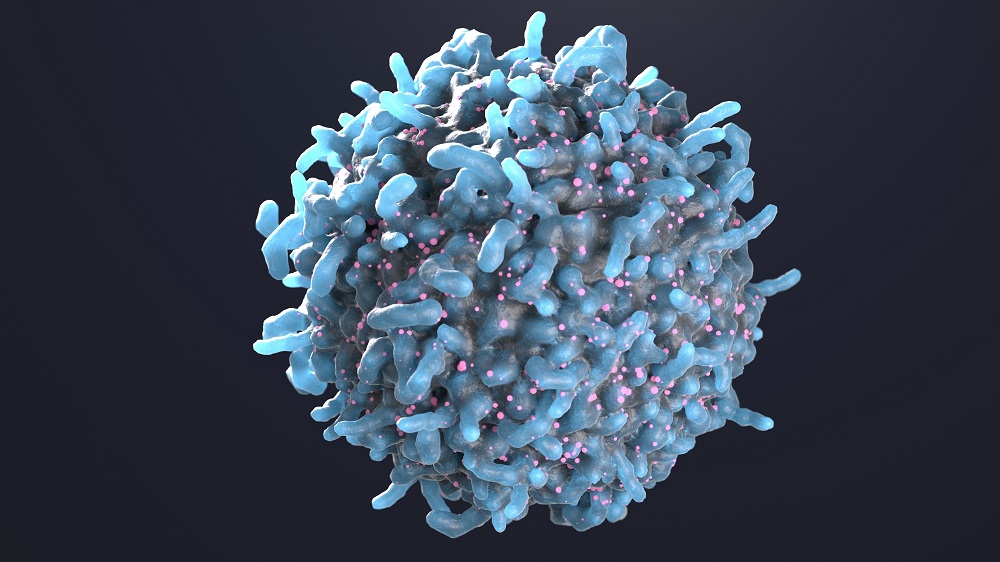
In a groundbreaking study published in Nature Aging, researchers have identified a subtype of CD4 T cells that combats cellular senescence in murine models. This discovery opens doors for novel therapeutic strategies targeting aging and senescence-related diseases.
Introduction
Cellular senescence refers to a state where cells no longer divide but remain metabolically active, contributing to various age-related disorders. In a recent investigation, scientists from the Ben-Gurion University of the Negev explored how a specific cytotoxic subtype of CD4 T cells, predominantly found in older individuals, interacts with senescent cells. This study provides insights into the role of immunity in aging and presents a paradox where the immune system can be "overly youthful."
The Role of CD4 T Cells and Senescence
CD4 T cells typically function as helpers in the immune system, coordinating responses against pathogens. However, certain CD4 T cells can become aggressive and adopt a cytotoxic role under specific circumstances. Notably, a study indicated that older adults exhibit a higher prevalence of these cytotoxic CD4 T cells, particularly in the context of age-related senescence.
Experimental Design
The researchers conducted a series of experiments involving young and old mice. They transferred splenic immune cells from young mice into age-differentiated recipients. The following observations were made:
- The young CD4 T cells showed an increased fraction of Eomes-positive cells in older recipients, indicating differentiation into a cytotoxic state.
- Markers of T cell exhaustion were heightened in cells transferred into old hosts.
- Senescence markers in the liver decreased when old recipients were treated with the senolytic drug navitoclax, correlating with a lower ratio of Eomes-positive CD4 cells.
The Findings
The key findings from this study support that the aging microenvironment, characterized by a higher burden of senescent cells, drives young CD4 T cells towards a cytotoxic phenotype marked by the expression of the transcription factor Eomesodermin (Eomes). This suggests that the presence of senescent cells alone can push the adaptation of these immune cells into a more aggressive state.
Impact of Eomes-Deficient CD4 T Cells
To further investigate the role of these cells, researchers generated genetically modified mice lacking Eomes in CD4 T cells. Key observations included:
| Parameter | Eomes Normal | Eomes Knockout |
|---|---|---|
| Grip Strength | Normal | Reduced |
| Spontaneous Activity | Normal | Reduced |
| Senescent Cells Accumulation | Normal | Increased |
Implications for Age-related Diseases
Beyond aging, the accumulation of senescent cells is also observed in various diseases. The mouse model of liver cirrhosis provided further evidence of the significant role of CD4 Eomes cells. The findings revealed:
- Eomes-deficient mice exhibited more severe liver scarring and fibrosis.
- Navitoclax treatment in these mice reduced both fibrosis and senescence markers, further emphasizing the importance of CD4 Eomes cells in controlling senescent cell abundance.
Discussion
This study challenges the perception that maintaining an "immature" immune system is optimal for combating aging. Prof. Alon Monsonego, a senior author of the study, emphasizes that an appropriate immune response, rather than a youthful one, is paramount for healthy aging. This insight aligns with emerging literature suggesting that an overly youthful immune system might correlate with autoimmune diseases.
"Resetting the immune system to a youthful state may not be the ideal approach to reduce aging-related issues." – Prof. Alon Monsonego
Conclusion and Future Directions
As we advance in understanding the complexities of immune interactions with senescent cells, a paradigm shift toward managing senescence and improving immune function is critical. Future research may focus on:
- Developing therapies that enhance the function of CD4 Eomes cells without completely rejuvenating the immune system.
- Exploring the potential of senolytic agents in conjunction with effective immune modulation.
- Utilizing biomarkers of cellular senescence to guide therapeutic interventions.
References
[1] Hashimoto, K., et al. (2019). Single-cell transcriptomics reveals expansion of cytotoxic CD4 T cells in supercentenarians. Proceedings of the National Academy of Sciences, 116(48), 24242-24251.
[2] Weyand, C. M., & Goronzy, J. J. (2025). Sustained immune youth risks autoimmune disease in the aging host. Nature Aging, 5(8), 1404-1414.









Discussion