

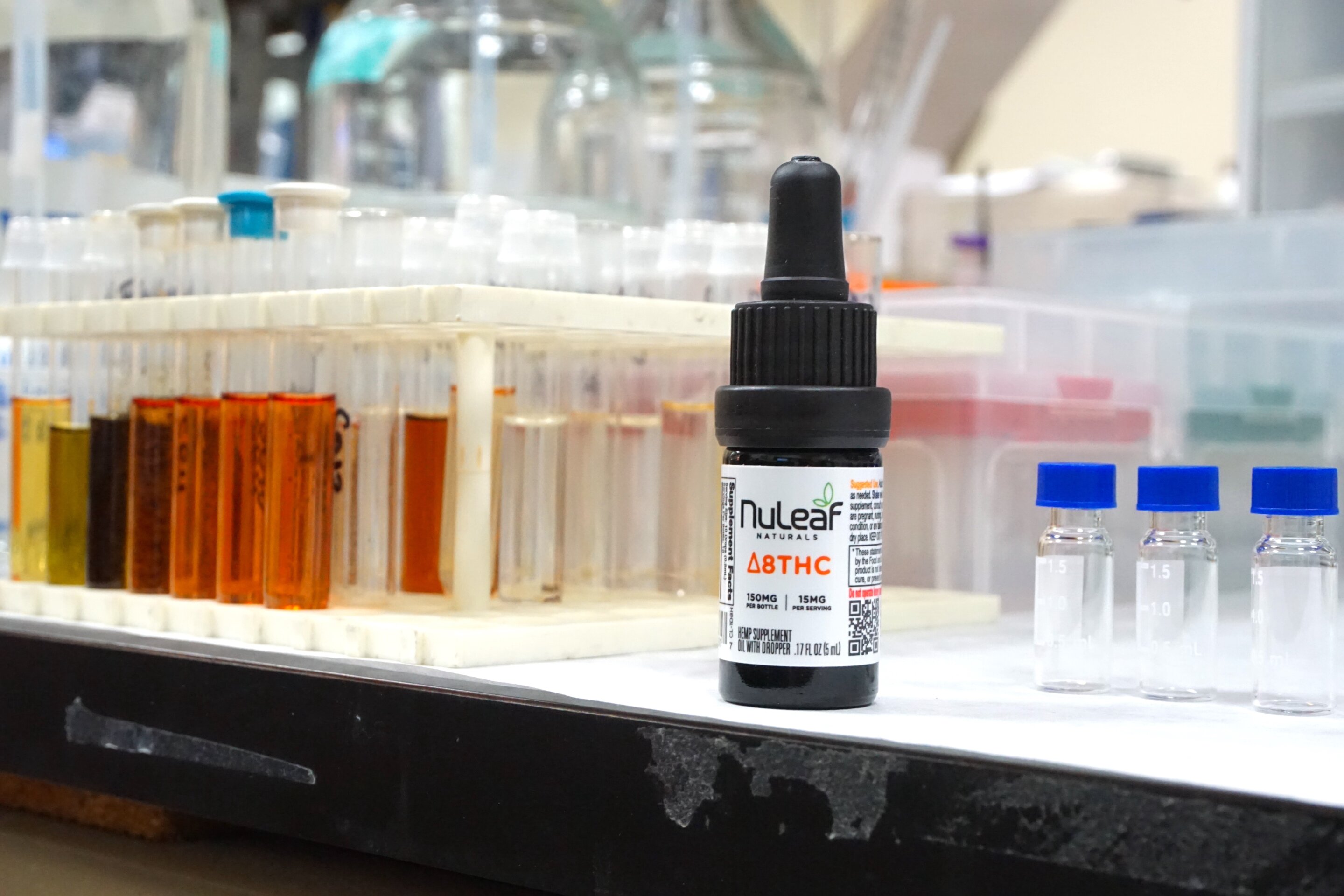
On July 14, 2026, groundbreaking findings emerged from the LiBBY trial, a clinical study exploring the effectiveness of a cannabis-derived treatment for alleviating agitation in dementia patients eligible for hospice care. Conducted by researchers from the Medical University of South Carolina and Georgetown University, this Phase II multicenter study has shown promise in addressing a challenging symptom of late-stage dementia.
Background of the Study
Agitation manifests as restlessness, aggression, and emotional distress, significantly impacting both patients with dementia and their caregivers. Traditional treatments, such as morphine and antipsychotics, have been met with limited effectiveness and adverse side effects, creating an urgent need for safer and more effective therapeutic options.
Study Design
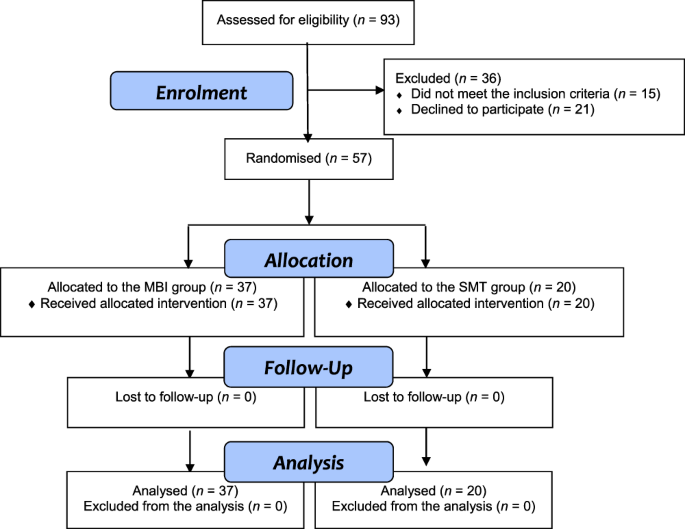
The LiBBY study, formally known as the Life's end Benefits of cannaBidiol and tetrahYdrocannabinol trial, focused on evaluating a unique medical formulation combining tetrahydrocannabinol (THC) and cannabidiol (CBD). In this double-blind, placebo-controlled trial, 120 participants aged around 80 years were randomly assigned to receive either the THC/CBD formulation or a placebo.
Trial Overview
| Parameter | Details |
|---|---|
| Participants | 120 hospice-eligible dementia patients |
| Duration of Study | 12 weeks |
| Primary Outcome Measure | Reduction in agitation scores at 2 weeks |
| Locations | 10 medical centers across the U.S. |
Key Findings
The results were remarkable. The study revealed that nearly 90% of participants receiving the THC and CBD formulation exhibited significant improvements in their agitation levels.
Agitation Reduction
| Timepoint | THC/CBD Group (%) | Placebo Group (%) |
|---|---|---|
| 2 Weeks | 83.9% reported less agitation | 30.5% reported less agitation |
| 12 Weeks | 87.2% reported less agitation | 23.6% reported less agitation |
Dr. Jacobo Mintzer, a co-lead investigator, expressed optimism regarding these findings: “These trial results were extremely impressive and showed a level of response not seen before in clinical trials related to dementia.”
Patient Experiences
Including patient feedback highlighted the trial's impact on quality of life. Laura, the daughter of a participant, noted observable changes in her mother’s demeanor: “She seemed happier. We experienced joy,” emphasizing that even small moments of connection held significant value.
Cautions and Limitations
Despite the promising results, researchers urge caution in interpreting the findings. It is essential to distinguish this carefully formulated medication from commercially available THC and CBD products. The trial’s formulation was rigorously tested and produced under medical supervision, whereas over-the-counter options may differ greatly in quality and efficacy.
“People should not assume that products available at dispensaries or online are equivalent to what was studied in this trial.” – Brigid Reynolds, Co-Lead Investigator
Conclusion
The LiBBY trial presents a significant advancement in dementia care, providing new hope for patients and caregivers alike. As research continues to evolve, the integration of cannabis-derived treatments could reshape approaches to managing agitation in dementia patients significantly. Further studies will aim to validate these findings and explore the full potential of cannabinoid therapies in geriatric care.
References
For more information on the LiBBY study and its findings, please refer to the original source: Medical Xpress.






Discussion